World Refugee Day 2026: Regional Media Spotlight Highlights the Importance of Refugee Livelihoods and Inclusion
World Refugee Day 2026: Regional Media Spotlight Highlights the Importance of Refugee Livelihoods and Inclusion
World Refugee Day 2026: Regional Media Spotlight Highlights the Importance of Refugee Livelihoods and Inclusion
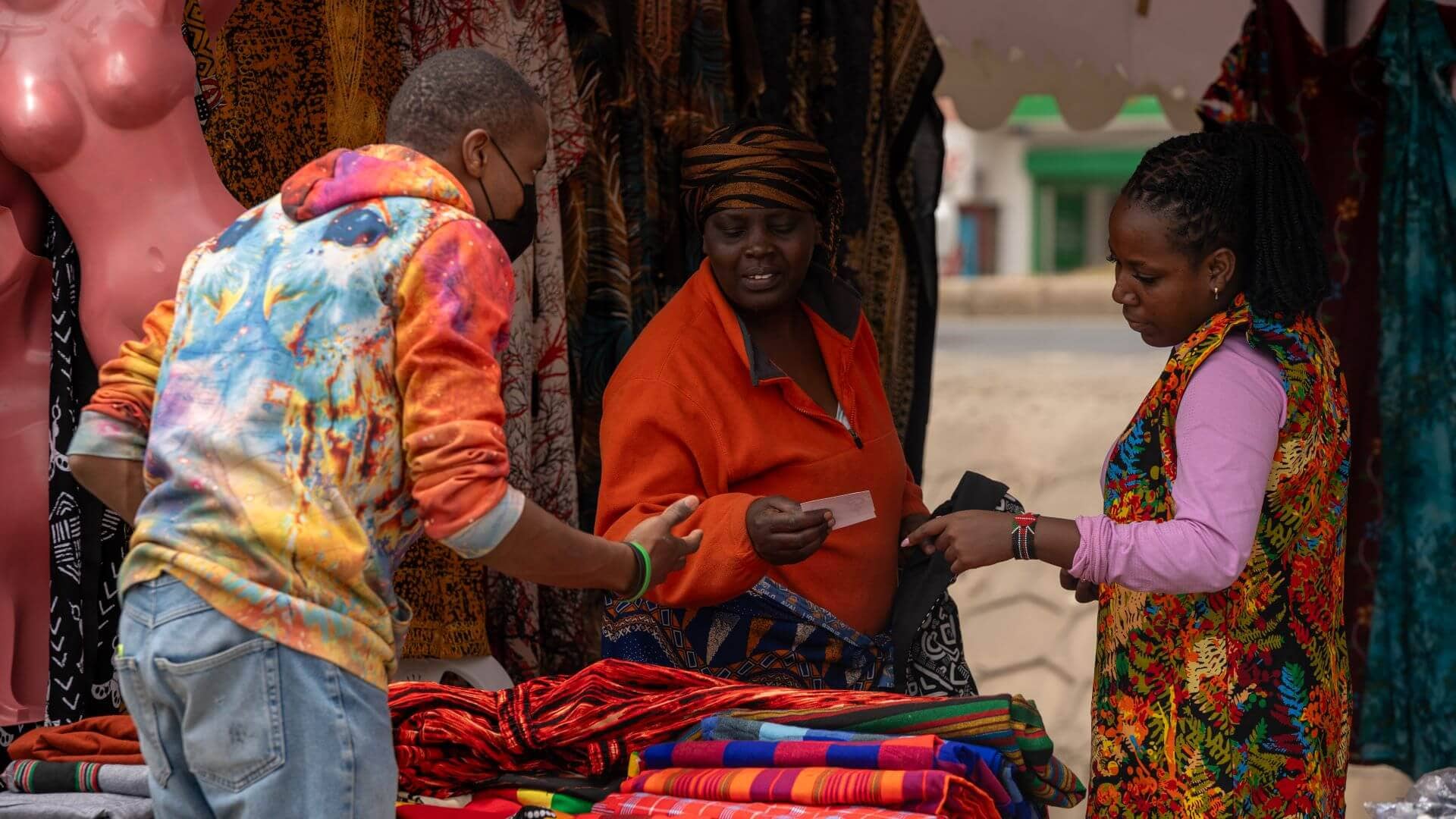
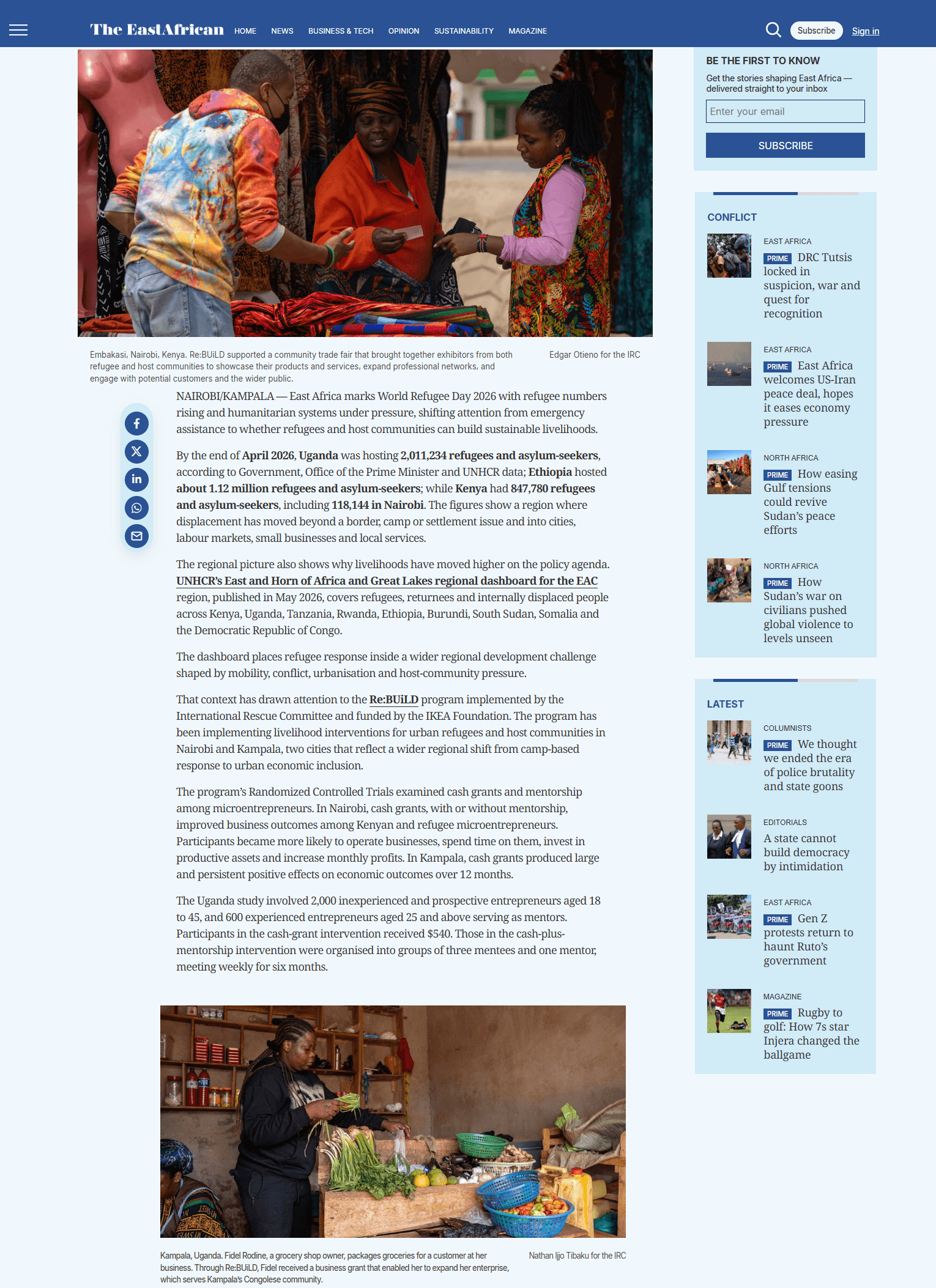
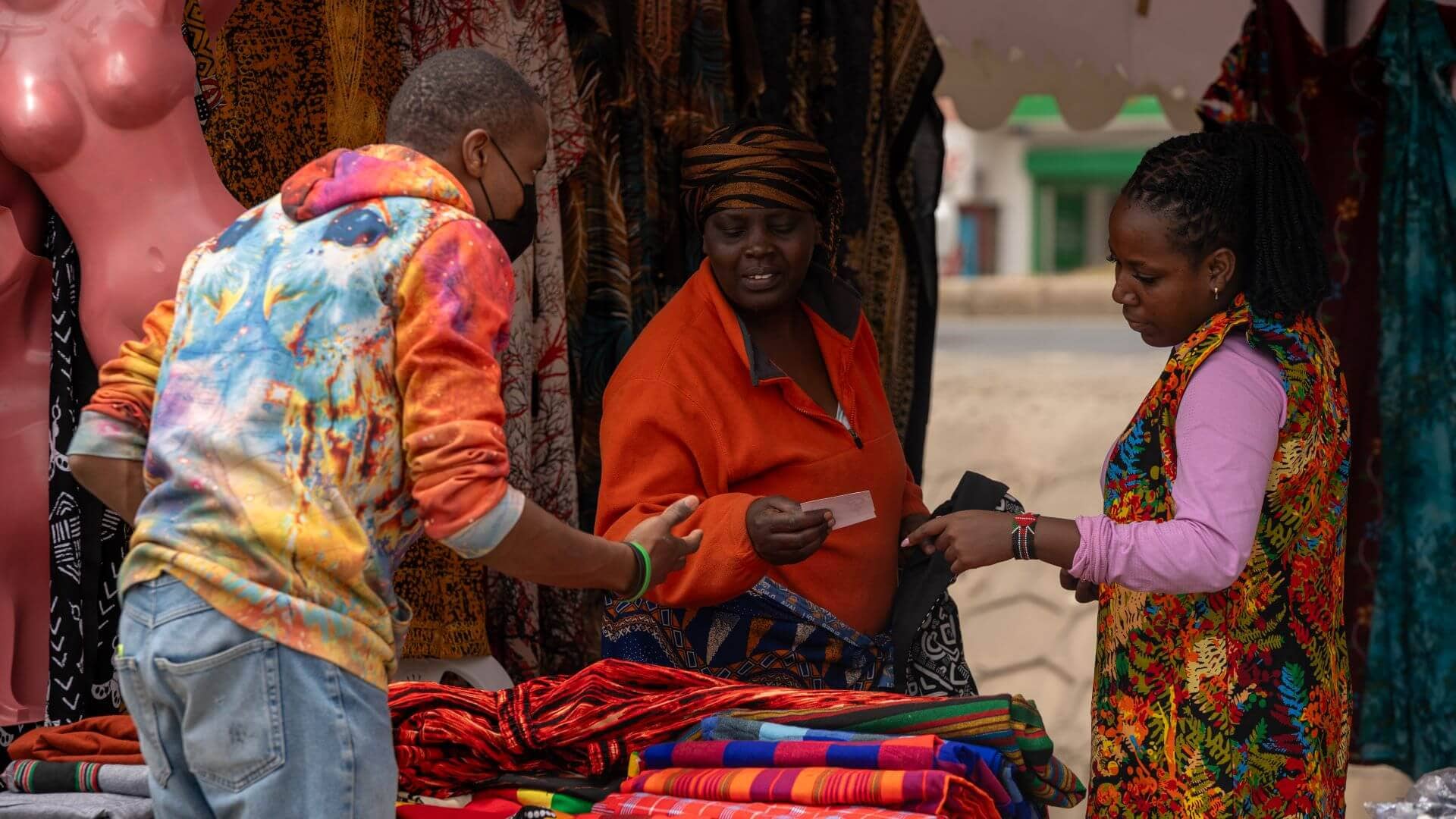
Embakasi, Nairobi, Kenya. Re:BUiLD supported a community trade fair that brought together exhibitors from both refugee and host communities to showcase their products and services, expand professional networks, and engage with potential customers and the wider public. Photo credit: Edgar Otieno for the IRC
Ahead of World Refugee Day 2026, Re:BUiLD's work on refugee livelihoods, economic inclusion, and policy reform was featured across leading East African media platforms, including The EastAfrican, The Star (Kenya), Daily Monitor (Uganda), and The Citizen (Tanzania).
The coverage comes at a time when countries across East Africa continue to host large refugee populations while exploring pathways that promote self-reliance, economic participation, and stronger social cohesion between refugees and host communities.
Evidence for What Works
Over the past five years, Re:BUiLD, implemented by the International Rescue Committee with support from the IKEA Foundation and partners, has generated evidence on approaches that help refugees and host-community members build sustainable livelihoods.
Research conducted through Re:BUiLD's Randomized Controlled Trials (RCTs) in Nairobi and Kampala examined the impact of cash grants and mentorship among refugee and host-community entrepreneurs. The findings showed that access to capital can significantly improve business performance, helping entrepreneurs invest in productive assets, strengthen businesses, and increase profits.
The research also highlighted important differences in outcomes across participant groups, particularly for women entrepreneurs, reinforcing the need for targeted approaches that address barriers beyond access to finance.
Beyond Livelihoods: The Role of Documentation and Inclusion
The media coverage also highlighted findings from Re:BUiLD's policy and advocacy work, including the Securing Documentation Campaign.
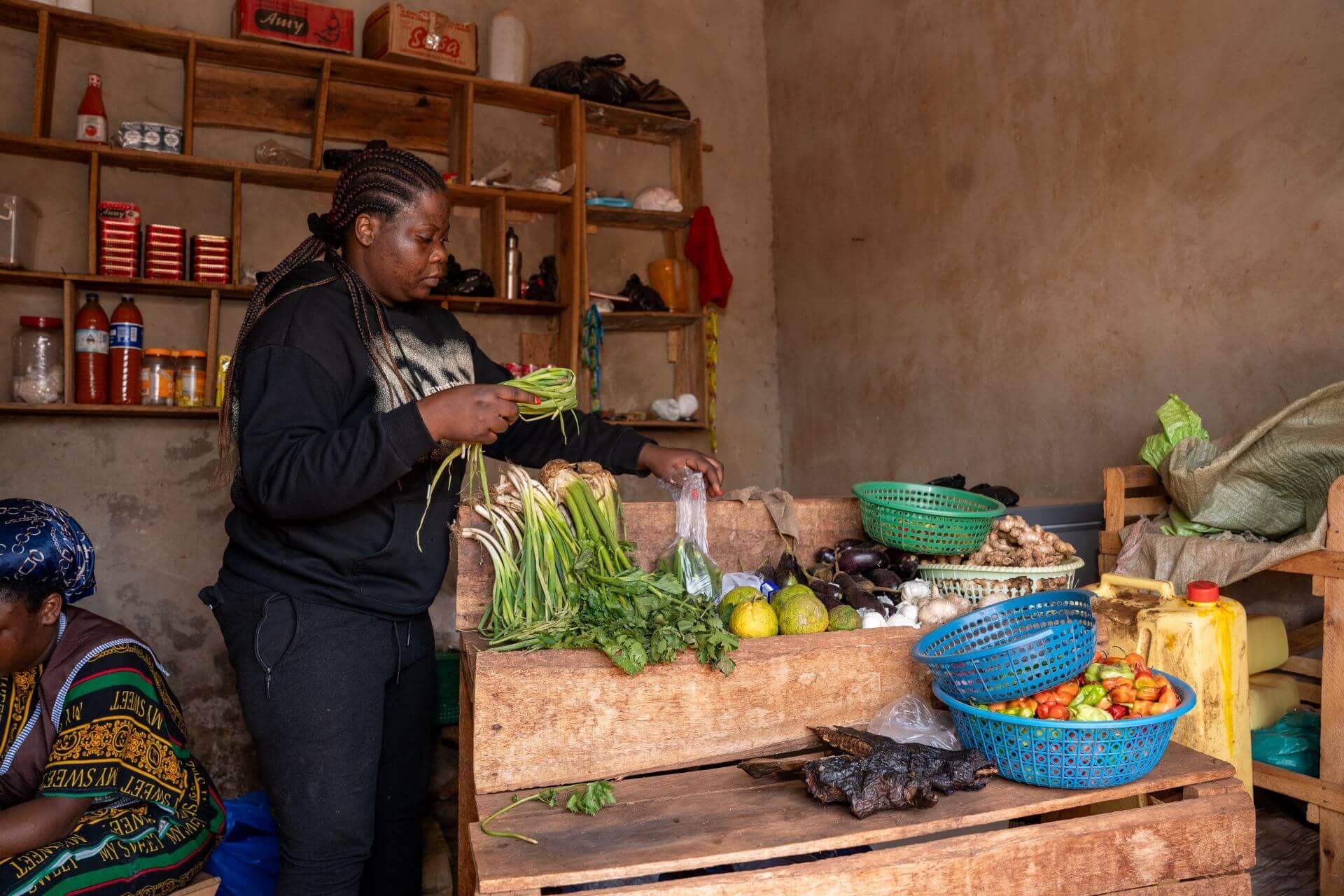
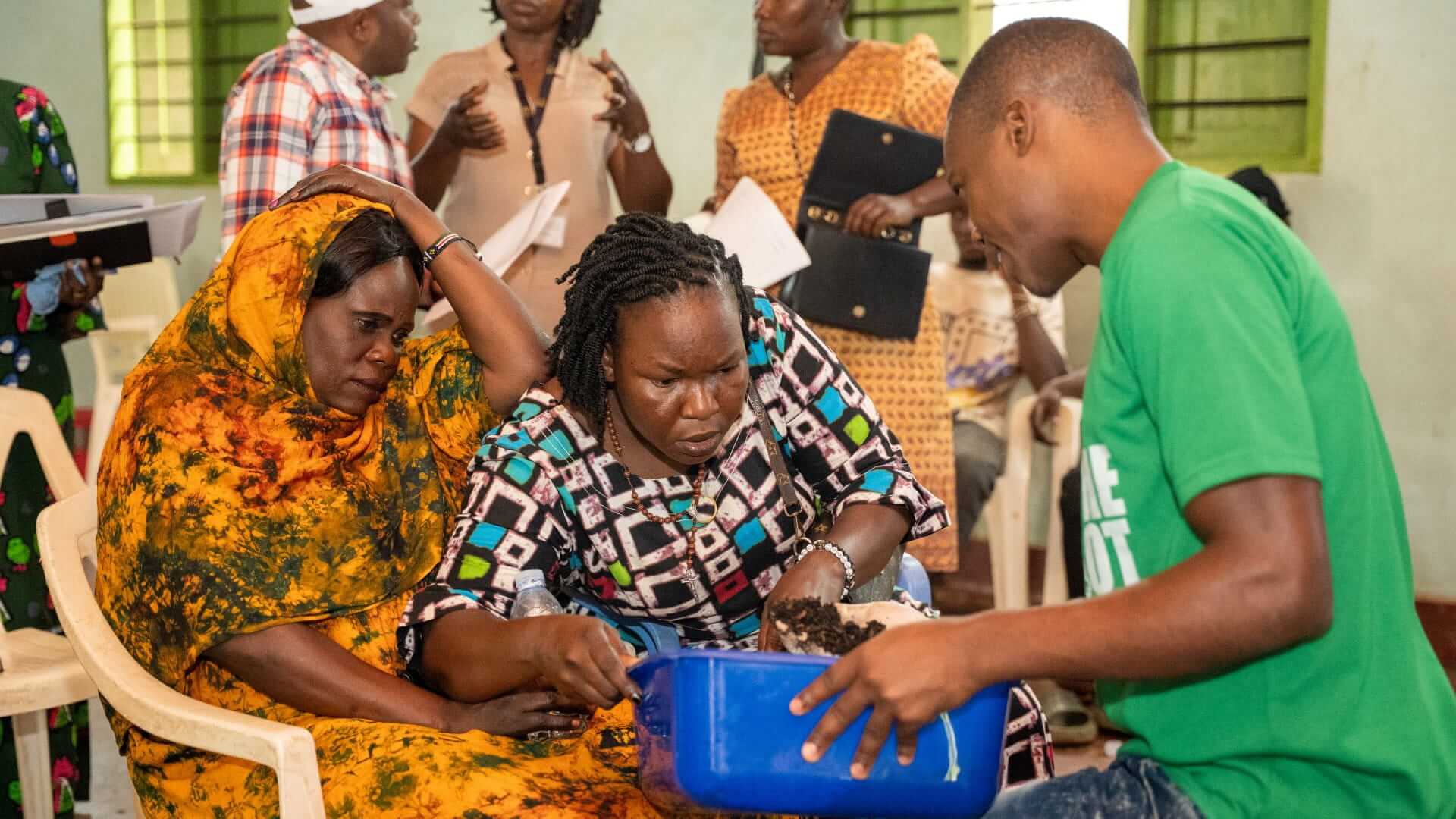
Kampala, Uganda. Climate livelihoods training. Re:BUiLD, in collaboration with KCCA, trained 500 clients to earn from climate-smart income-generating activities like briquette, black soldier flies and mushroom production. Photo credit: Nathan Ijjo Tibaku for the IRC
Consultations conducted across Kenya and Uganda identified documentation as a critical factor influencing access to employment, financial services, healthcare, education, legal protection, and freedom of movement. Stakeholders called for more accessible documentation systems, stronger recognition of refugee credentials and identification documents, and greater coordination between institutions responsible for refugee services.
The findings reinforce a broader lesson emerging across the region: sustainable livelihoods depend not only on skills and capital, but also on access to systems that enable people to participate fully in economic and social life.
A Regional Conversation on Refugee Self-Reliance
The articles also reflect a growing regional discussion on how refugee-hosting countries can balance humanitarian assistance with long-term economic inclusion.
With Ethiopia hosting about 1.12 million refugees and asylum-seekers, Kenya hosting more than 847,000 refugees and asylum-seekers, including over 118,000 in Nairobi, and Uganda hosting more than 2,000,000 refugees and asylum-seekers, livelihoods and self-reliance have become central policy considerations. Similar conversations are taking place across the region, including in Tanzania, where refugee-hosting communities continue to navigate the opportunities and pressures associated with displacement.
The Re:BUiLD experience demonstrates that evidence-based approaches, inclusive policies, access to documentation, financial inclusion, and support for both refugees and host communities are all essential components of sustainable solutions.
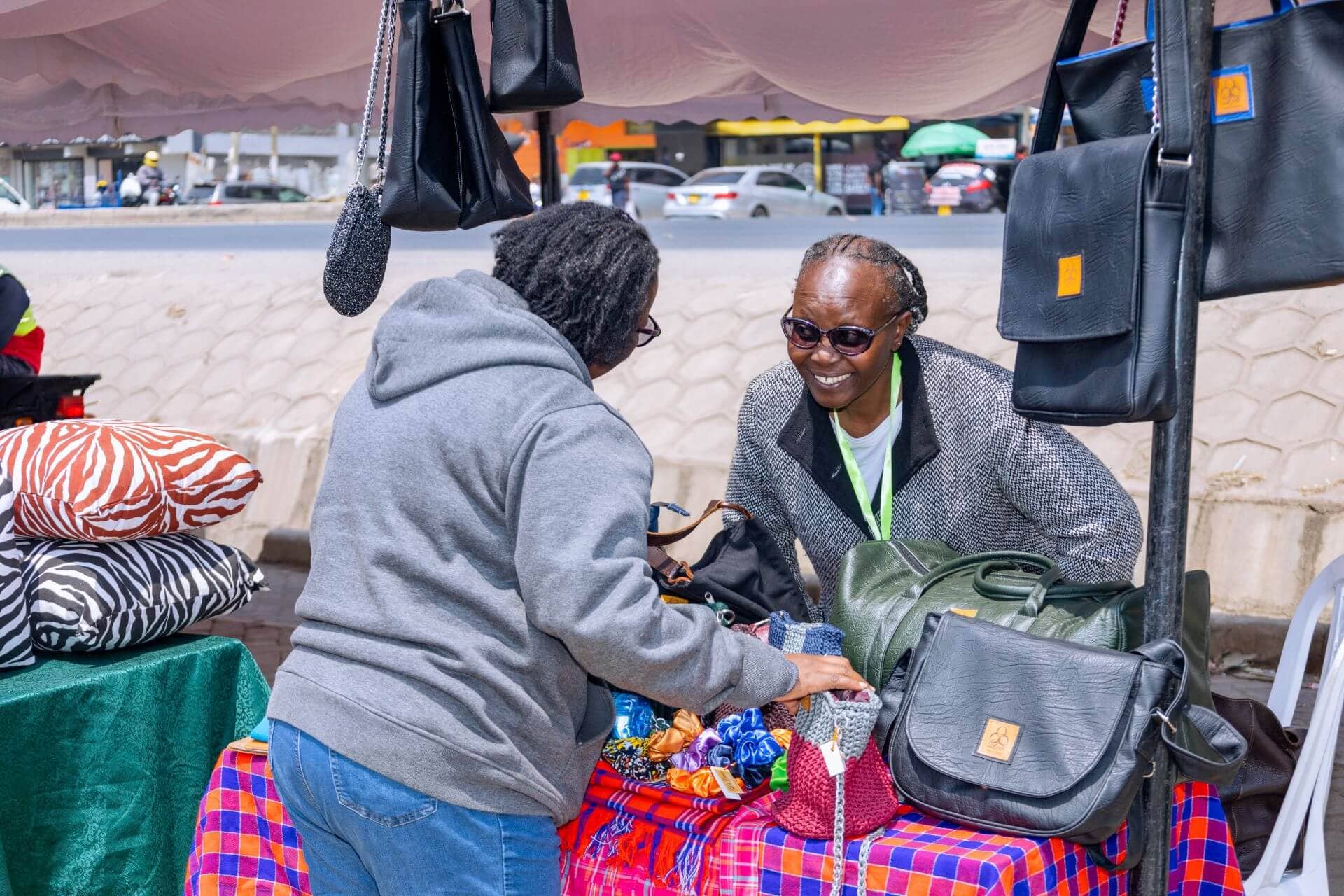
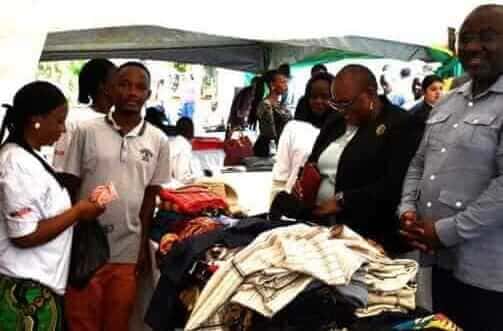
Kibera, Nairobi, Kenya. Entrepreneurs from refugee and host communities showcase and market their products during a community trade fair designed to promote business growth, networking, and economic inclusion. Photo credit: Edgar Otieno for the IRC
Read the Full Coverage
- The EastAfrican: Rising Refugee Numbers Put East Africa's Livelihoods Model Under Scrutiny
- The Star (Kenya): Study: Refugee women in Nairobi lag behind in business
- Daily Monitor (Uganda): Uganda's two million refugees test the world's most celebrated open-door policy
- The Citizen (Tanzania): Cross-Border Lessons on Regional Urban Displacement: Takeaways from Tanzania, Kenya and Uganda
Learn More
Explore Re:BUiLD's reports, policy briefs, and learning resources on refugee livelihoods, financial inclusion, documentation, and economic integration through the Re:BUiLD website.