Overview
Re:BUiLD has successfully generated and shared evidence on innovative, sustainable livelihood solutions that are already informing efforts to support refugees and host residents in East Africa and beyond. The program’s findings have shaped policies, strengthened service delivery, and will continue to guide future investments in urban refugee livelihoods.
Core Principles
Flexible & Adaptive | Continuous Experimentation | Client-Centered | Local Partnerships
Who We Are
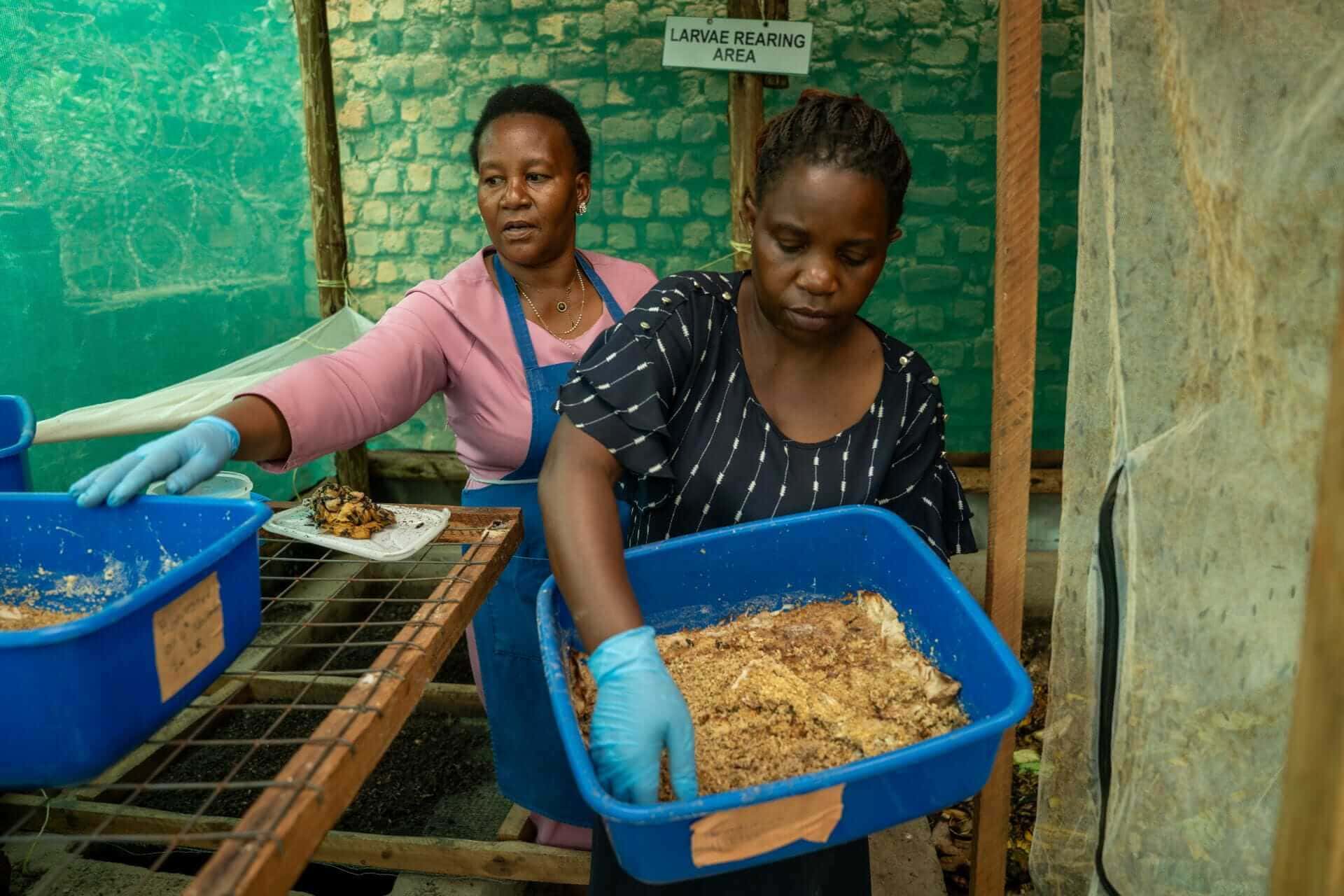
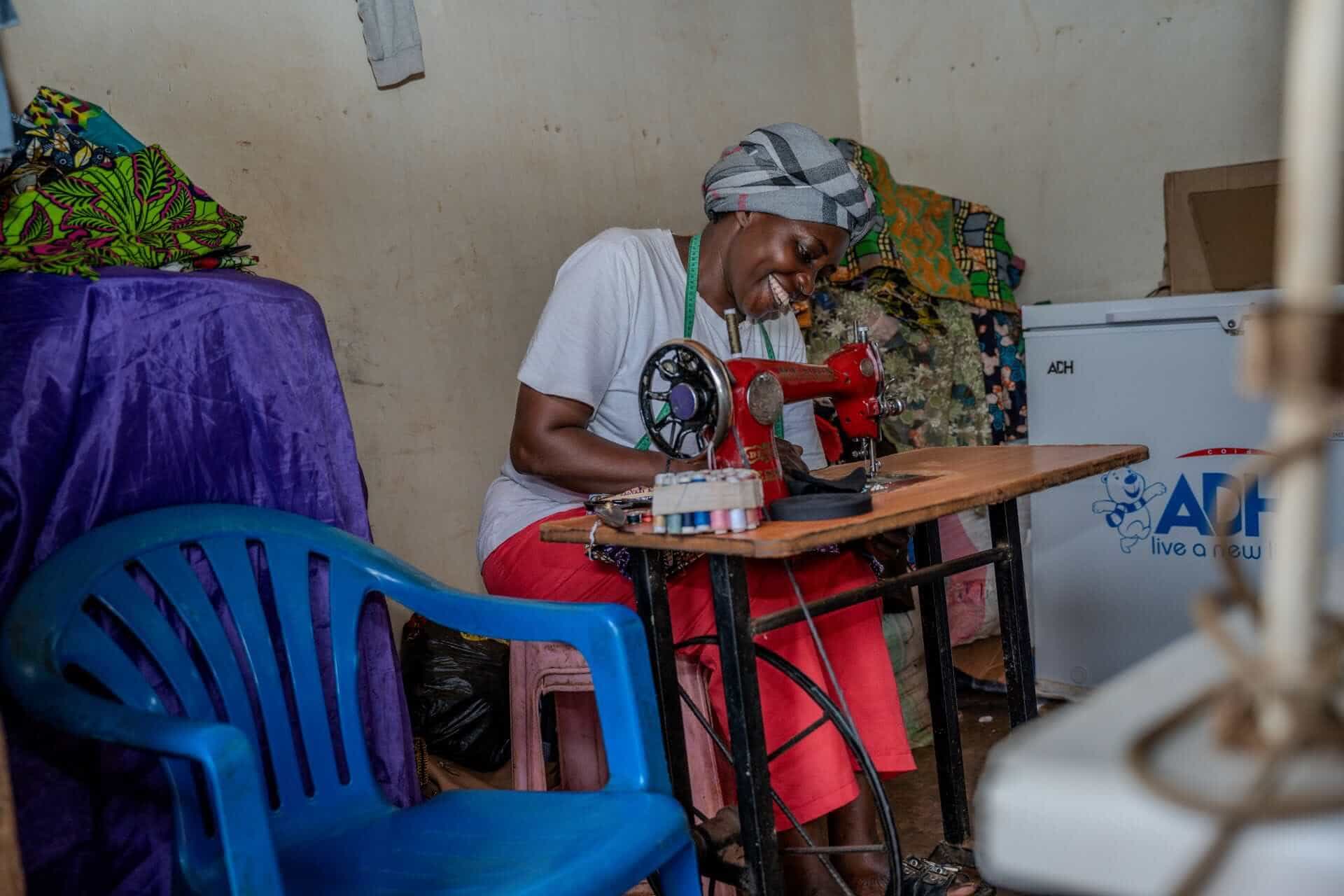
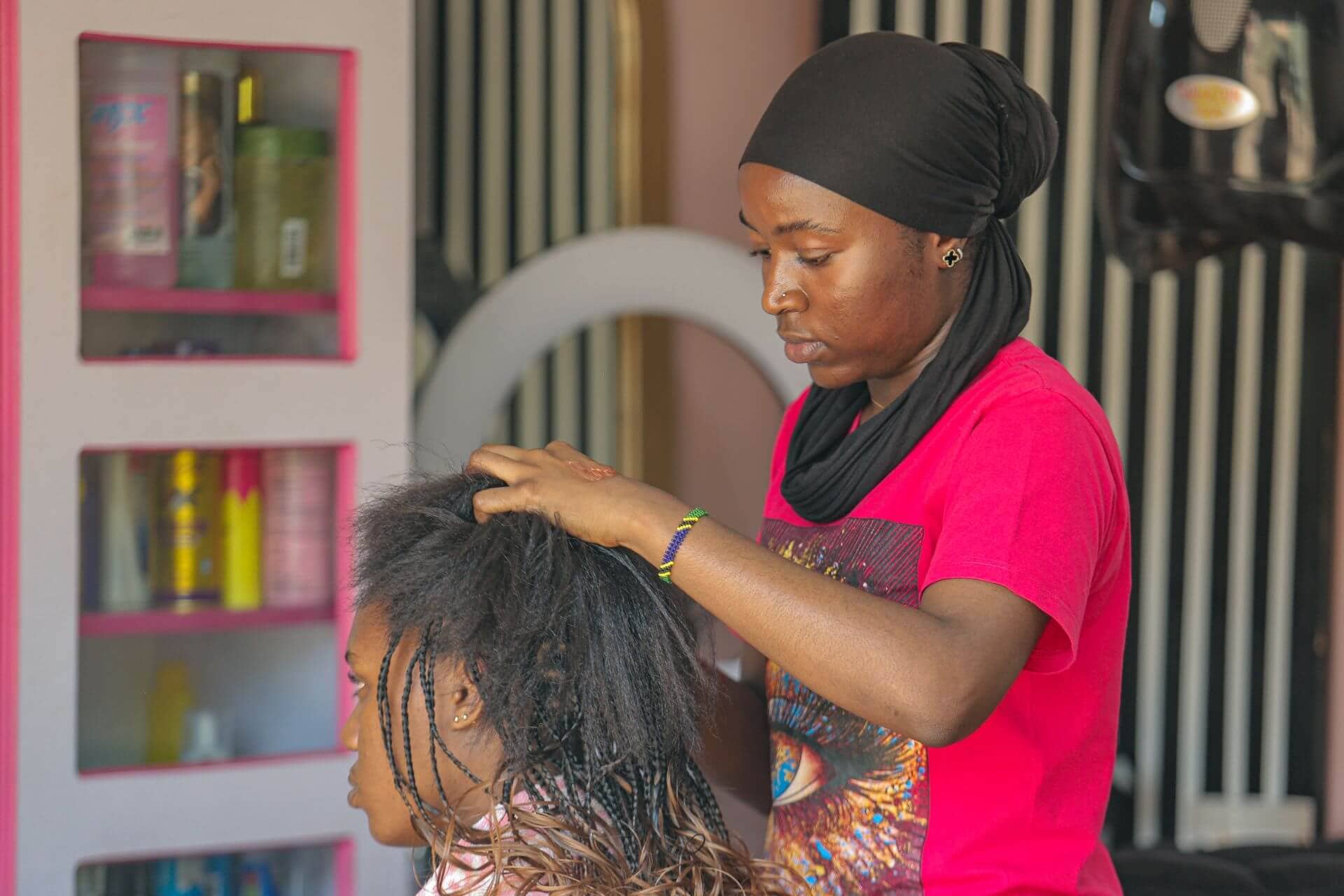
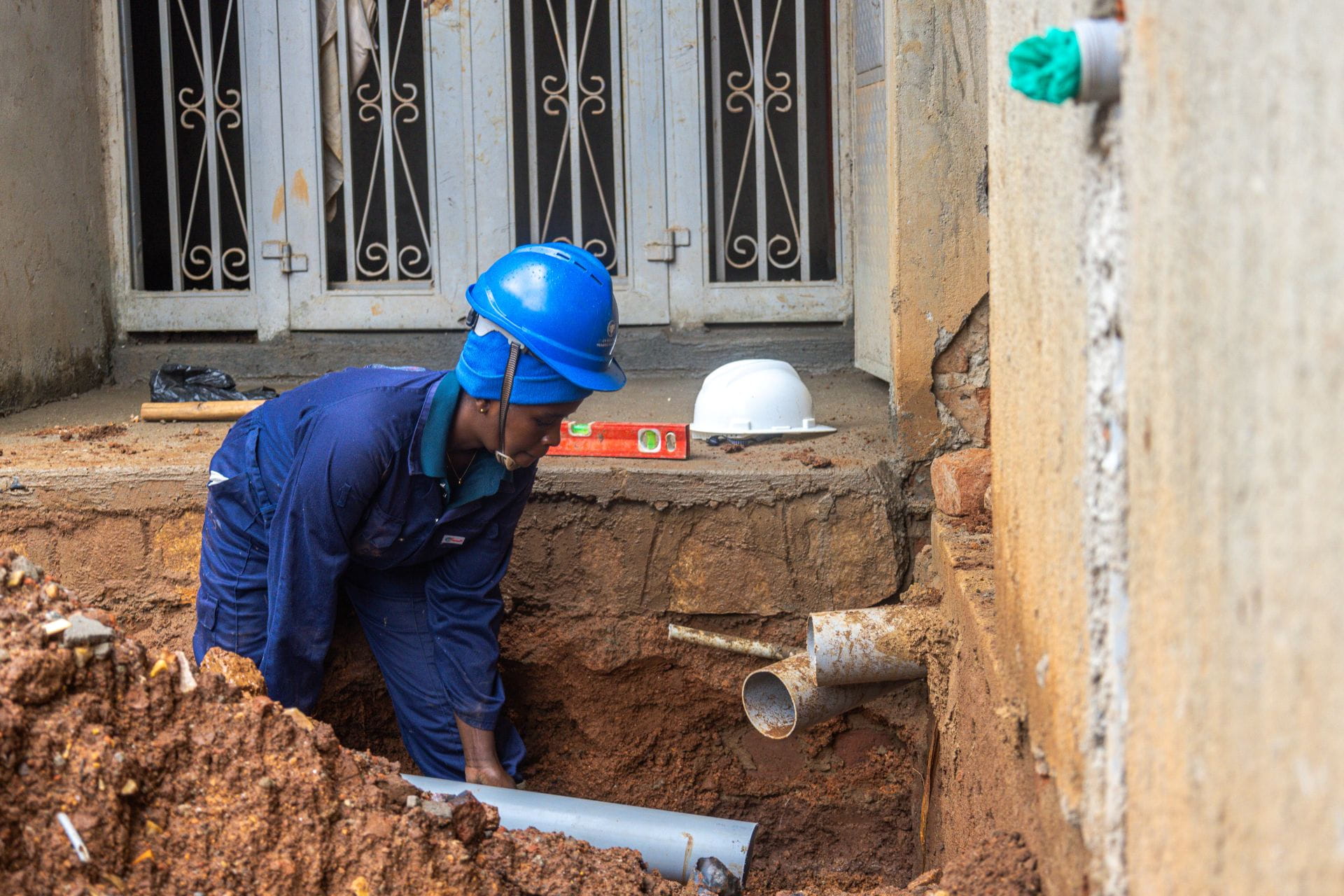
Funded by the IKEA Foundation and led by the International Rescue Committee (IRC), the Re:BUiLD program was implemented from January 2021 to December 2025 in the cities of Kampala and Nairobi, bringing together a consortium of local and international partners to deliver comprehensive livelihood interventions.
Re:BUiLD has supported urban refugees and vulnerable host community members to advance economic self-reliance while strengthening more inclusive urban economic, regulatory, and social systems. Over its five-year implementation, the program drove change at multiple levels—from expanding access to livelihood opportunities and inclusive services within communities to influencing refugee-related policies and improving service delivery by city, national, regional, and global actors.
The program’s success were underpinned by its core features: flexible funding, an adaptive design that responds to evolving needs and contexts, and a strong focus on continuous learning through ongoing knowledge and evidence generation.
The Challenge
With over 120 million people displaced globally—many of whom seek safety safety and opportunities in cities—urban refugees continue to face significant barriers to sustainable livelihoods and self-reliance. Despite cities being centers of economic potential, refugees and vulnerable residents remained excluded from meaningful opportunities. Support programs are underfunded and lack evidence on what works.
To address this gap, the International Rescue Committee (IRC), with funding from the IKEA Foundation, launched the Refugees in East Africa: Boosting Urban Innovations for Livelihoods Development (Re:BUiLD) program. Implemented over five years in Kampala and Nairobi, Re:BUiLD generated rigorous evidence and scaled innovative livelihood solutions that benefited both refugees and vulnerable host communities. The program ultimately contributed to influencing policies, improving service delivery models, and shaping investments across East Africa and beyond.
According to data from UNHCR, Eastern and Southern Africa host approximately 6.3 million refugees - many of whom in urban areas
In these urban settings, refugees and vulnerable community members have historically faced limited opportunities to earn adequate income to support their families and enrich their communities.
In response, the program focused on supporting thriving economies and cohesive communities in a selection of low-income neighborhoods in Kampala and Nairobi.
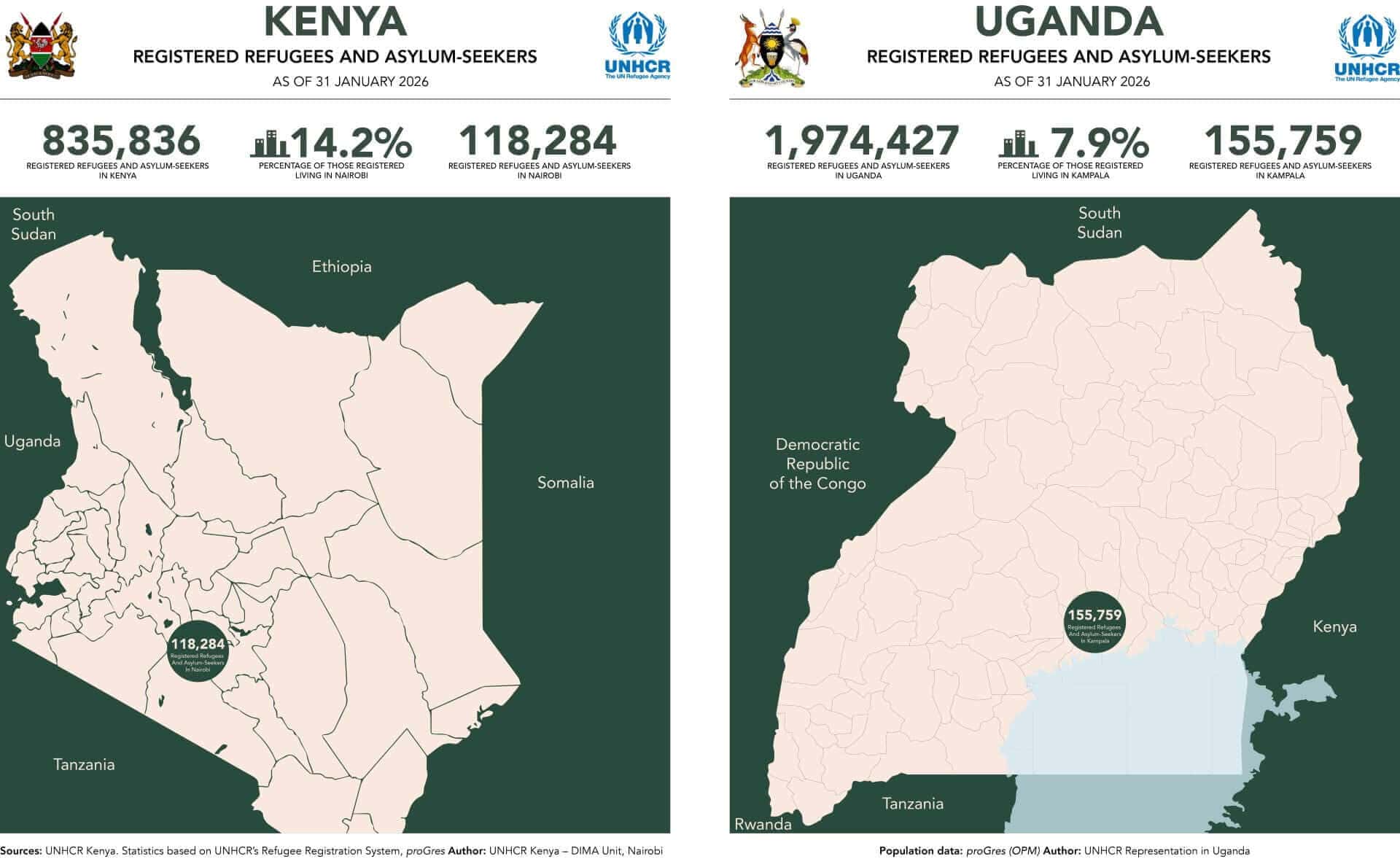 |
Data cited from UNHCR 31st January 2026
Client Reach Update
Our target was to reach 20,000 urban refugees and vulnerable host community members — including women, men, and youth. We exceeded this goal, reaching 21,171 clients and achieving 106% of our goal.