What We Took to Dakar: Sharing Refugee Voices at the African Commission on Human and Peoples’ Rights
What We Took to Dakar: Sharing Refugee Voices at the African Commission on Human and Peoples’ Rights
What We Took to Dakar: Sharing Refugee Voices at the African Commission on Human and Peoples’ Rights
By Ismail Saxafi Hussein, Cedrick Shami Nkera, Lucy Juwa and Irene Shiundu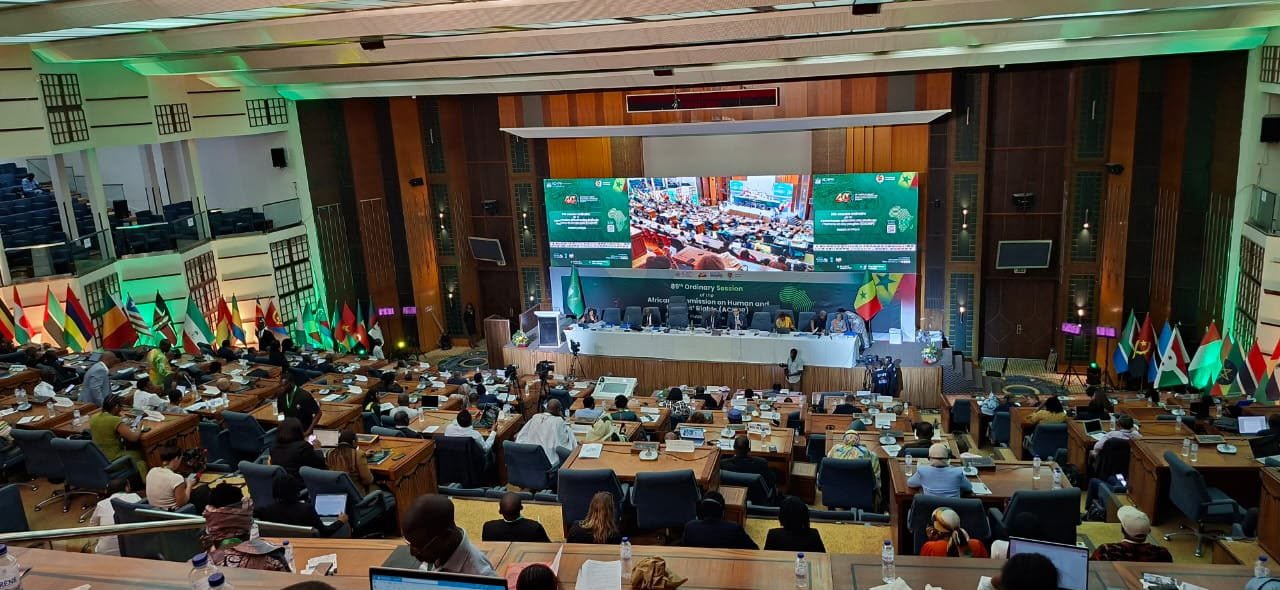
In October, during the 89th Ordinary Session of the African Commission on Human and Peoples' Rights (ACHPR), Cedrick Nkera, a Congolese refugee living in Addis Ababa, Ethiopia, prepared to speak at a side event organized by the IRC/Re:BUiLD Program about refugee inclusion, education and access to work. But he never reached the meeting. Questions about his handwritten Convention Travel Document (CTD) prevented him from boarding his connecting flight in Istanbul. The barrier he had travelled to discuss also stopped him from joining the discussion.
Cedrick’s experience captured one of the main issues that brought us to the 89th Ordinary Session of the ACHPR in Dakar, Senegal. Refugees cannot fully take part in education, work, or public decision-making when their documents are not widely recognized.
We travelled with the Re:BUiLD team to share evidence and refugee experiences with African Commission officials and partner organizations. As refugees living in Nairobi and Kampala, these issues affect our lives and communities every day.
What We Brought into the Room
Over three days, we joined discussions on children’s well-being, movement, documentation, security, justice, and women’s leadership. Although these issues were discussed separately, they were closely linked.
At a side event on children’s learning and well-being, Ismail spoke on the panel, and Lucy joined as a discussant. We argued that education must meet the needs of children affected by displacement.
“Education systems must support children’s learning, emotional well-being and social needs. Displacement, limits on movement and exclusion all get in the way of learning.” Ismail Saxafi Hussein
Lucy highlighted the barriers that keep women and girls out of education. She also asked whether teachers receive enough support and whether refugee survivors can get recovery services, trained interpreters and safe ways to report abuse in languages they understand.
“How can recovery services reach refugee survivors of torture? Services must put survivors’ needs and safety first; provide trained interpreters and offer safe ways to report abuse in languages they understand.” Lucy Juwa
Education depends on more than what happens in the classroom. Children also need support for their well-being, safe movement, family income, and access to protection.
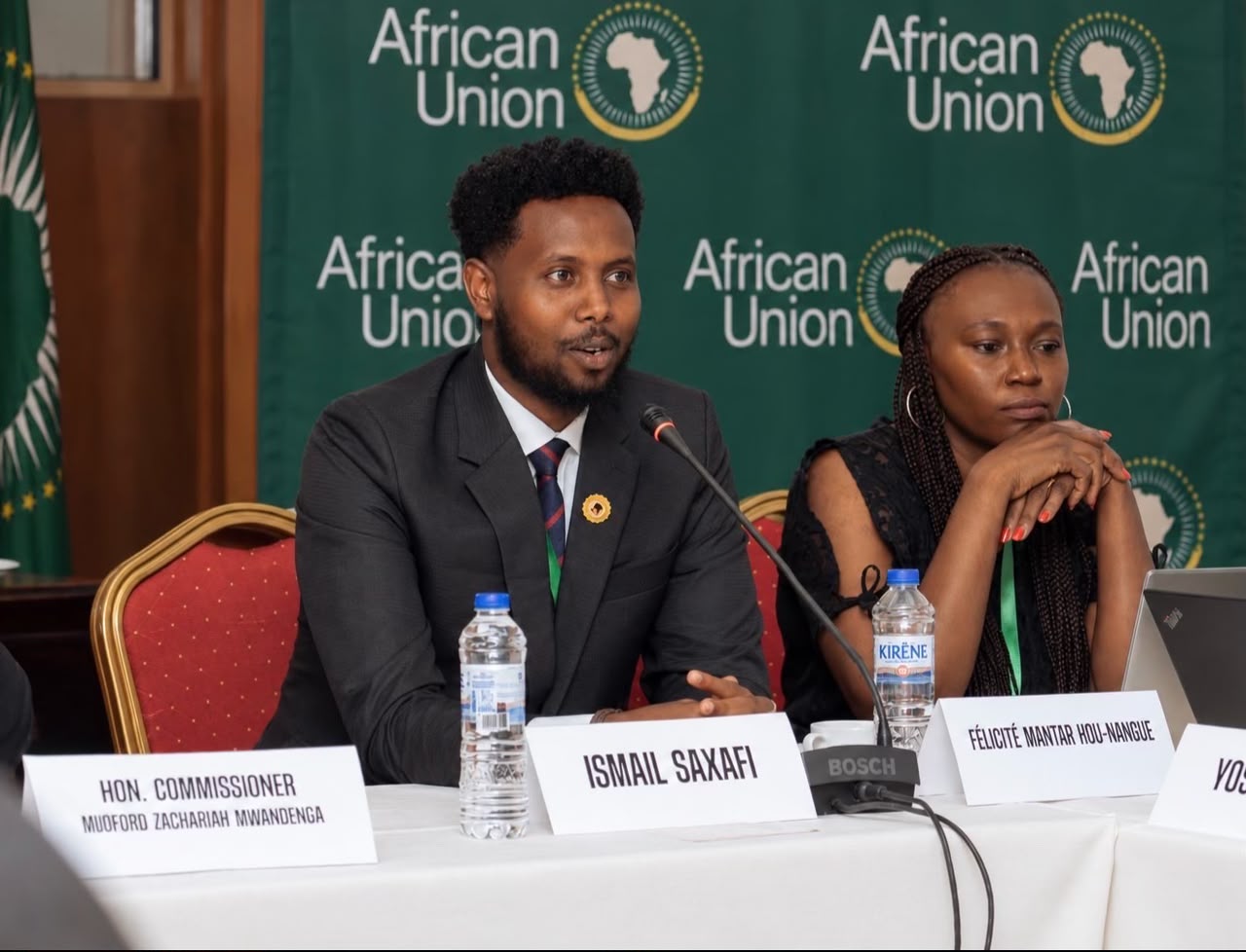
Ismail Saxafi Hussein shares refugee perspectives during a panel discussion at the African Commission on Human and Peoples' Rights in Dakar.
During “From Rhetoric to Rights”, a session on movement and work, we discussed how problems with documents can limit refugees’ opportunities.
“My experience reminded me that the ability of refugees to participate in important discussions also depends on practical issues such as travel documentation.” Cedrick Nkera.
Cedrick’s experience reflects the barriers documented by Re:BUiLD’s Securing Documentation Campaign in Kenya and Uganda. The campaign found that refugees face delays, high costs, and poor recognition of their documents. This limits their movement and access to work, education, healthcare, and other services.
The campaign calls for simpler local services, wider recognition of refugee IDs and travel documents, and countries working together. Refugees can be invited to speak but still be unable to reach the room. Read the Re:BUiLD Securing Documentation Campaign report.
We also raised concerns about the profiling of refugees during security operations, threats across borders, and the inclusion of refugee women in African networks. Our message was simple: refugees must be able to travel safely, access justice, and influence decisions.
We asked African governments to recognize refugee documents and make machine-readable refugee travel documents easier to obtain. We also called for education policies that support children’s learning and well-being, and for stronger support for teachers and organizations led by refugees.
Dakar was a Beginning
“Dakar was a start, not an end.” Ismail Saxafi Hussein
The next step is to record refugee experiences, follow up with partners and present clear proposals to national and African institutions. Refugees should not only be discussed in policy spaces. They should be able to enter those spaces, share evidence, and shape the decisions that affect their lives.