Nakawa Leaders Champion Refugee Inclusion and Social Cohesion in Kampala
Nakawa Leaders Champion Refugee Inclusion and Social Cohesion in Kampala
Nakawa Leaders Champion Refugee Inclusion and Social Cohesion in Kampala
By Moses Okot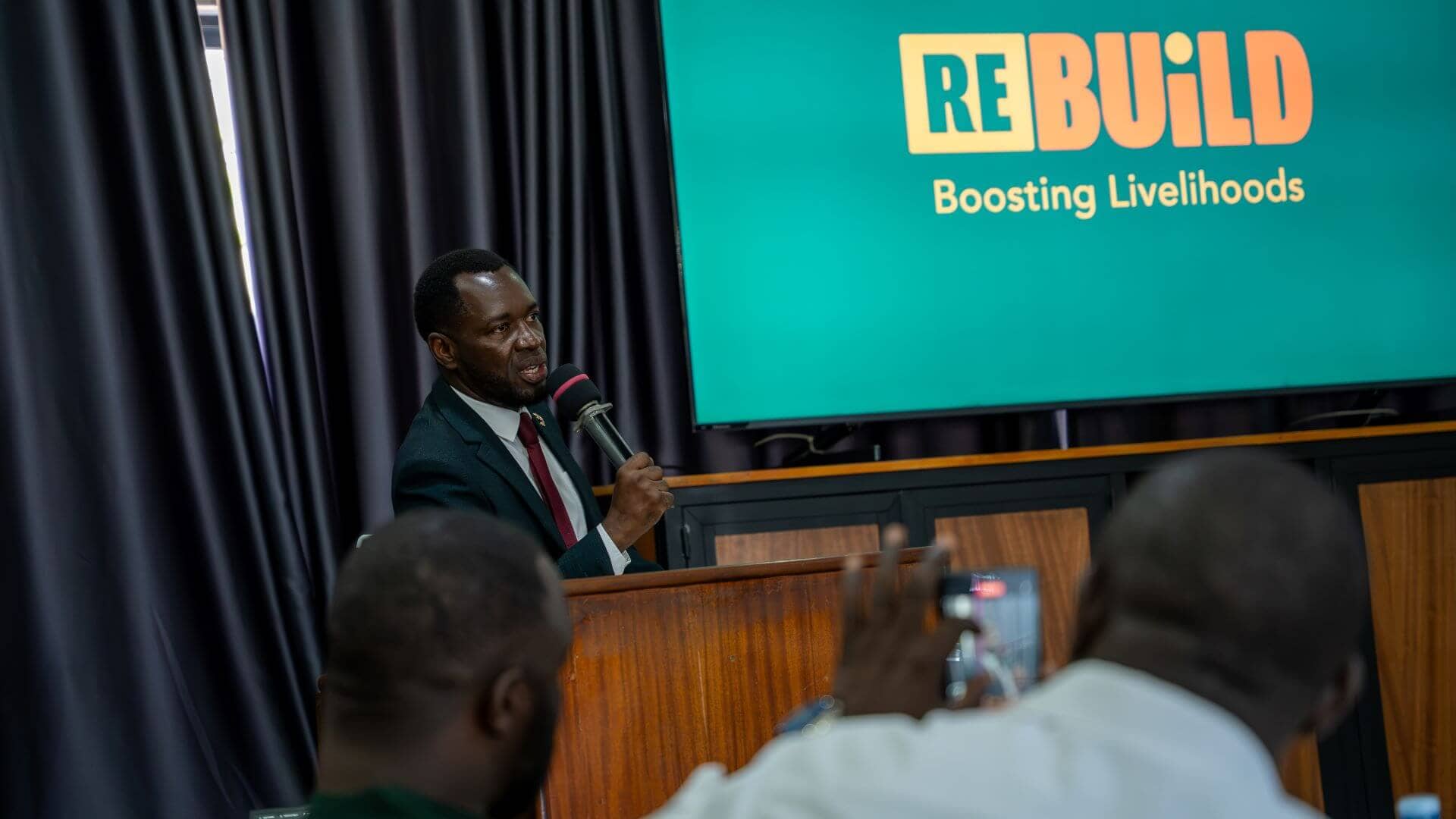
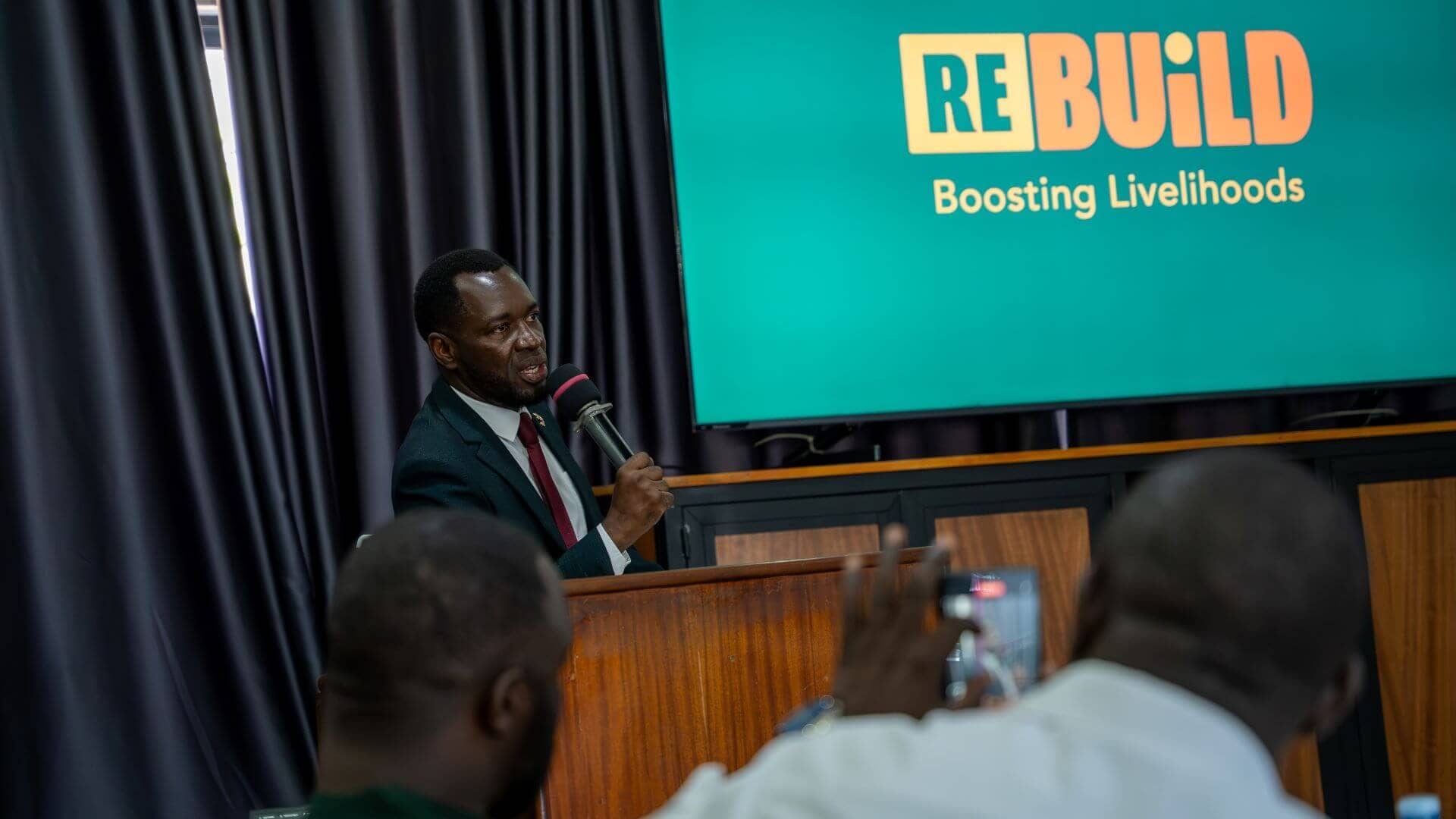
September 01, 2026, Kampala. His Worship Bukeni Ali, Mayor of Nakawa Division, addresses participants during the Re:BUiLD stakeholder engagement, calling for empathy, inclusion, and equal access to services for refugees and host communities under the spirit of Ubuntu. Photo by (Nathan Ijjo Tibaku for the IRC)
Political leaders can shape whether refugees are welcomed and able to access and use city services. The Re:BUiLD program, Kampala Capital City Authority (KCCA) and the Office of the Prime Minister (OPM) held five capacity building sessions, one for each of Kampala's five divisions (Central, Kawempe, Makindye, Nakawa and Rubaga) to share information with newly elected division leaders on the international refugee legal frame works and Uganda's refugee laws and policies. Political, religious, community and refugee leaders discussed the rights of refugees and what local leaders can do to support inclusion and peaceful coexistence in Kampala
The Mayor of Nakawa Division, His Worship Bukeni Ali, challenged leaders to speak about refugees as people who share the same hopes and needs as everyone else. His remarks showed how political leaders can use their influence to challenge stigma and build public support for inclusion. "No one wakes up and decides to be a refugee," he said.
He reminded participants that conflict, political instability, tribal violence, disasters, and other unforeseen circumstances can force people to leave their homes. "A refugee is you and me. We are only one gunshot away, one tribal clash away, one flood away, and one political misunderstanding away from leaving our homes."
Drawing on Uganda's own history, His Worship the Mayor reminded leaders that Ugandans have experienced displacement and sought refuge in neighboring countries at different points in time. For this reason, he emphasized that support for refugees should be guided not by pity, but by empathy, compassion, and solidarity.
Ubuntu: I Am Because We Are
Central to the Mayor's message was the African philosophy of Ubuntu, captured in the phrase: "I am because we are." He described Ubuntu as a value system that recognizes the interconnectedness of all people and encourages communities to support one another regardless of nationality, tribe, religion, or social status.
The Mayor said Ubuntu should guide how communities, leaders and institutions treat refugees. It links Uganda's refugee laws to familiar values: dignity, shared responsibility and a sense of belonging for everyone who calls Kampala home.
A Commitment to Equal Access to Services
The Mayor reaffirmed Nakawa Division's commitment to service delivery without discrimination. He said questions about refugee IDs should never stand in the way of access to services. Similarly, mothers seeking antenatal services and entrepreneurs applying for trading licenses should receive services based on need and eligibility, rather than nationality or legal status. His message was clear: Uganda's commitments must be reflected in the way people are served every day.
In a direct appeal to local leaders and service providers, the mayor called on Local Council leaders, teachers, Village Health Teams (VHTs), and other stakeholders to reject discrimination and stigmatization. He urged communities to stop referring to refugees as "those people" and instead recognize them as "our people."
He said this shift in language can help build acceptance, belonging and social cohesion. He also encouraged host communities to share available opportunities and spaces with refugees, emphasizing that many societies, including Uganda's, have been shaped and enriched by migration
The Mayor further praised Uganda's refugee policy framework, which continues to receive international recognition for its progressive and inclusive approach to refugee protection and integration."
The workshop reaffirmed Re:BUiLD, KCCA, OPM, elected leaders, refugee representatives and community institutions need to continue working together. Understanding the law is only a first step. Leaders must speak consistently, local systems must respond, and refugees and host communities need regular opportunities to raise barriers and seek solutions.
In 2026, the Re:BUiLD Program is deepening its partnership with local authorities to turn political support for refugee inclusion into action. By bringing refugee and host-community voices into local sharing evidence with decision-makers and following up on barriers to city services, Re:BUiLD aims to help Kampala work better for everyone.
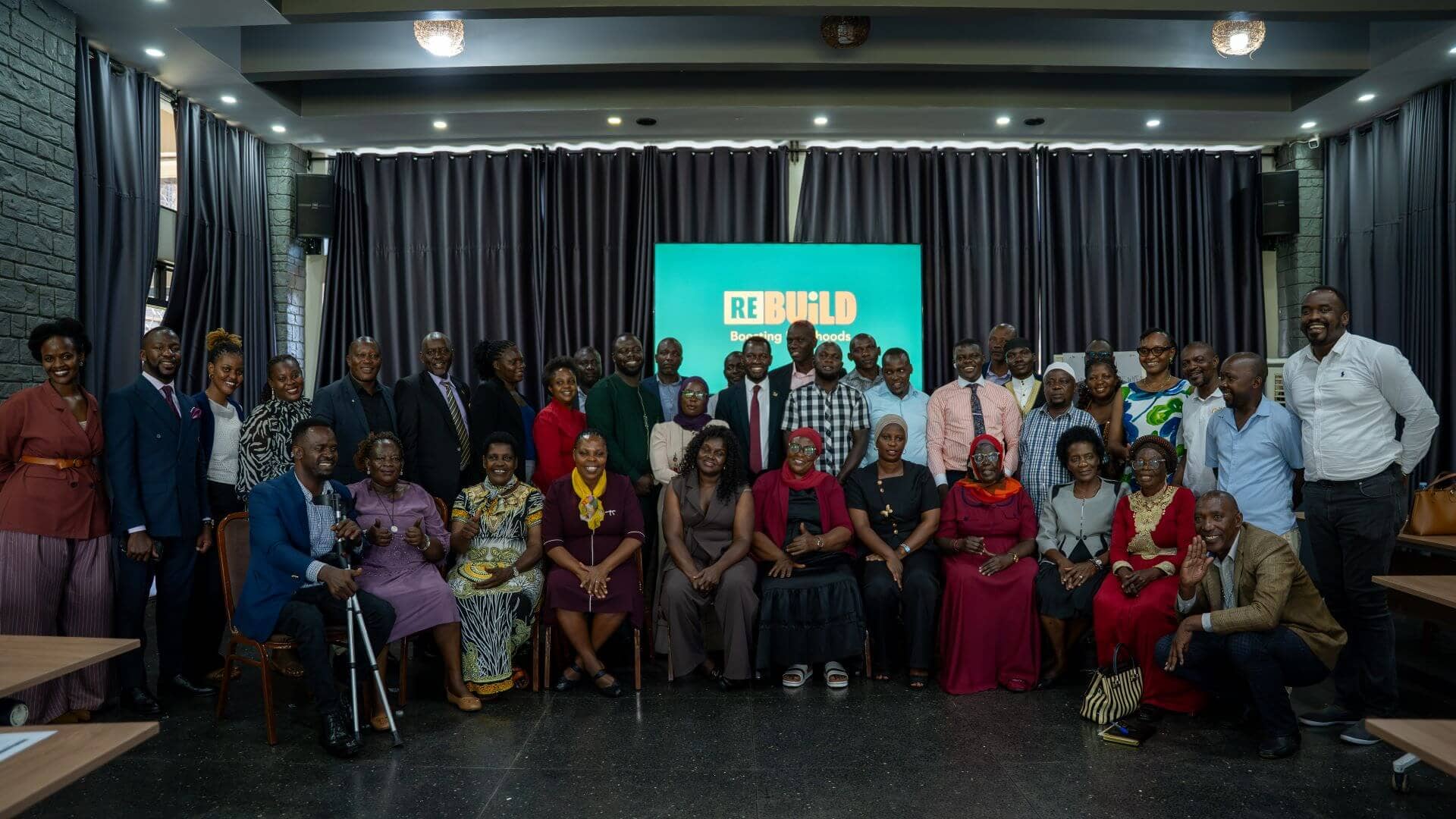
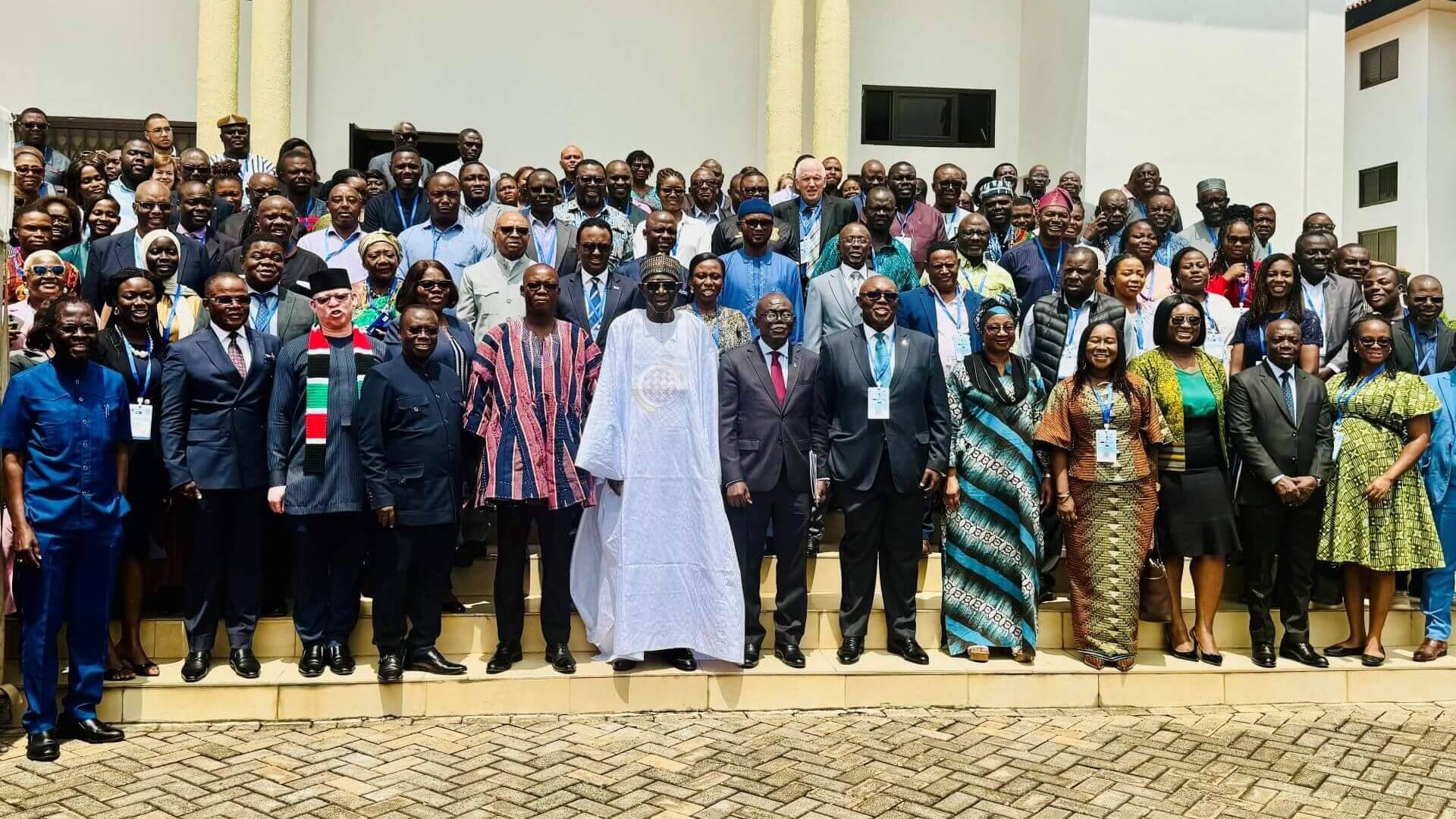
September 01, 2026, Kampala. Political leaders, KCCA officials, religious leaders, refugee representatives, and community stakeholders gather for a group photo after a successful Re:BUiLD engagement. (Photo by Nathan Ijjo Tibaku for the IRC)