Does Policy Culture in Africa Strategically Politicize Evidence?
Does Policy Culture in Africa Strategically Politicize Evidence?
Does Policy Culture in Africa Strategically Politicize Evidence?
By Irene Shiundu and Moses Okot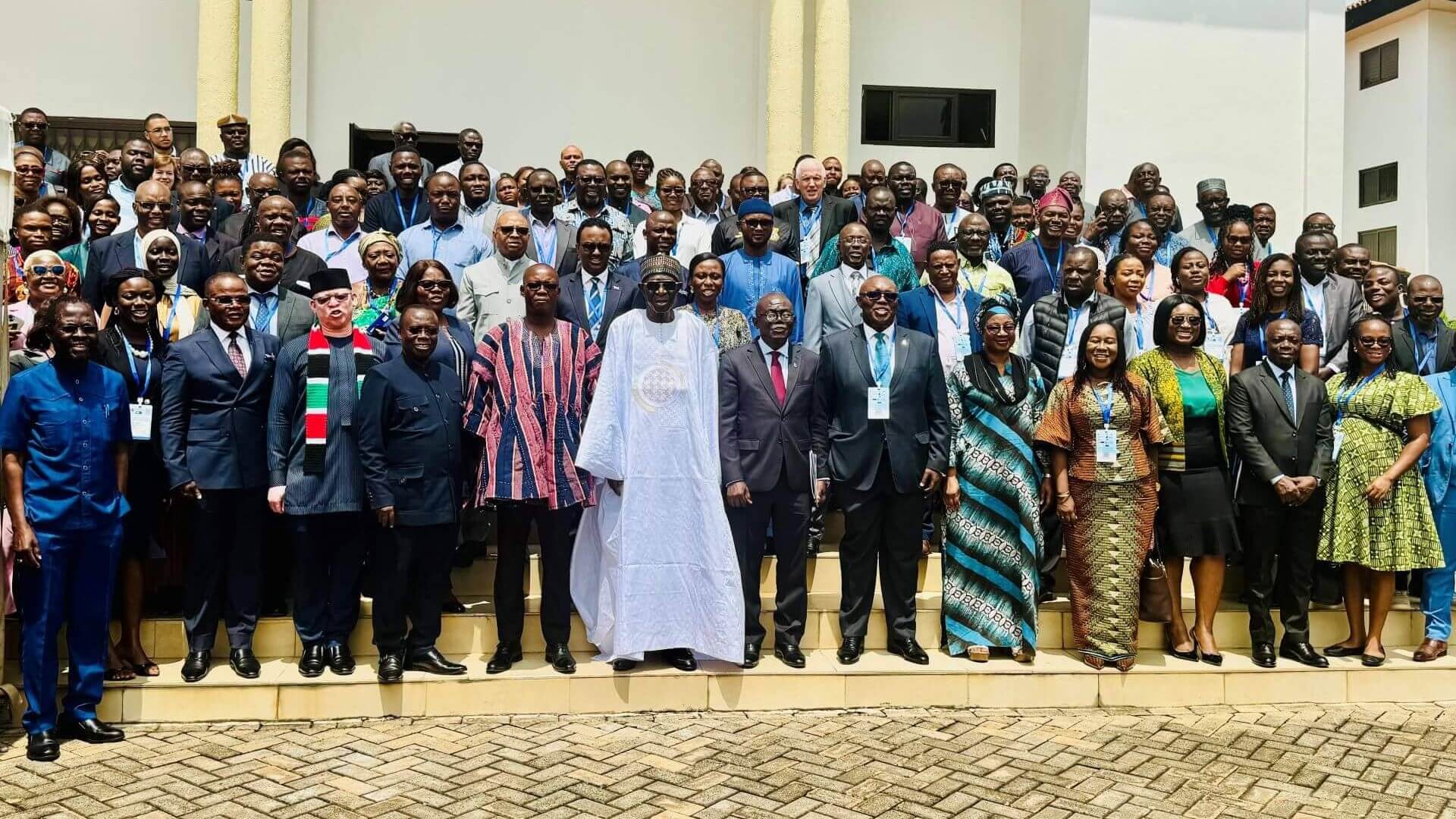
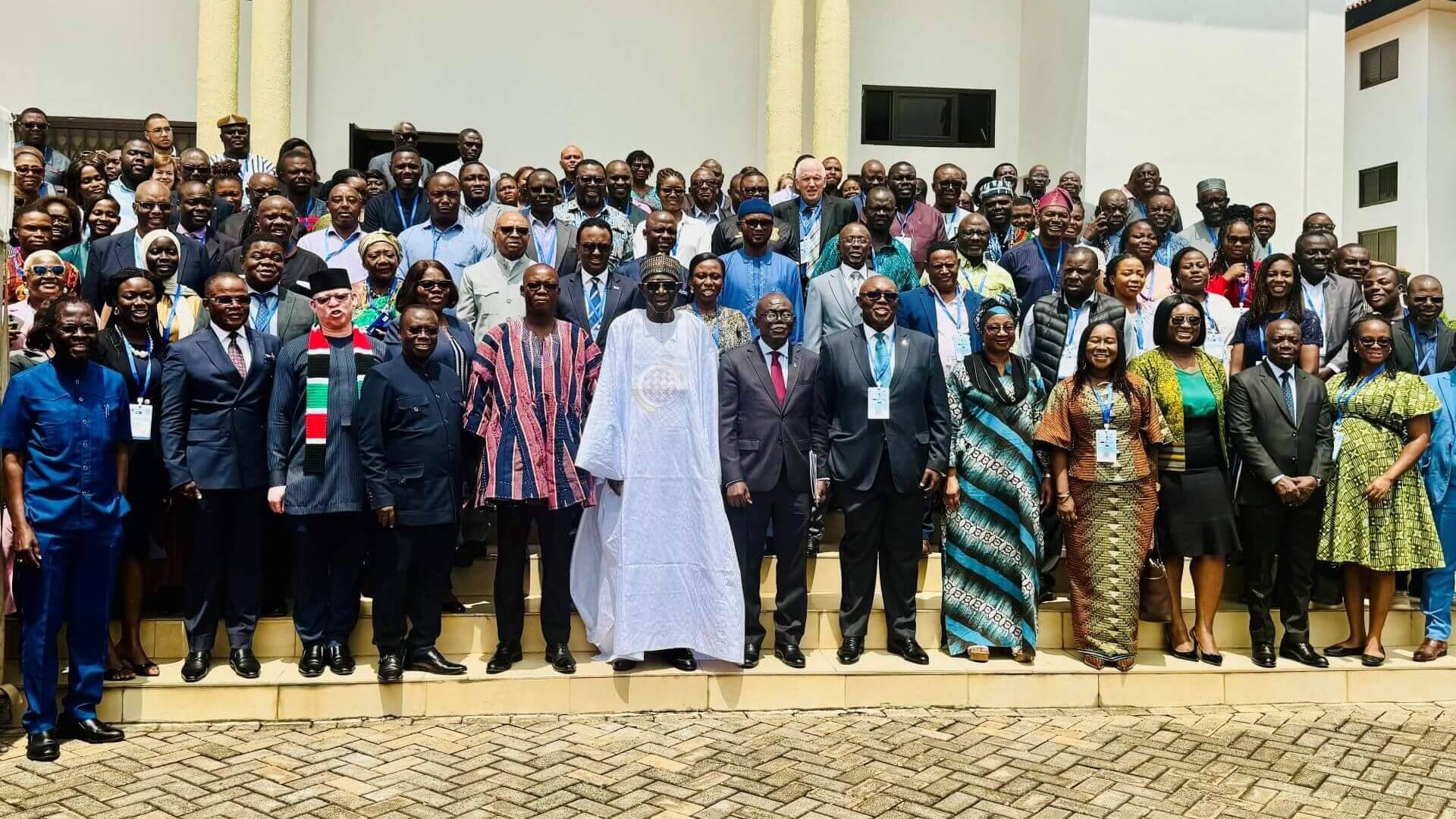
Group Photo: Center in white is the Hon Speaker of the Gambia Parliament. On the left is the deputy speaker for the republic of Ghana
Snapshot: What Was E2A 2026?
Why does Africa’s wealth of home-grown evidence so rarely translate into decisive policy action? In June 2026, Accra, Ghana hosted the Evidence to Action Conference(E2A) 2026 together with the International Centre for Evaluation and Development (ICED), the Institute of Statistical, Social and Economic Research (ISSER), Partnership for African Social and Governance Research (PASGR) and partners. Under the theme “Reimagining the Evidence-Informed Policy- and Decision-Making Ecosystem in Africa,” the conference brought together policymakers, researchers, donors, CSO, and private sector actors from across the continent to ensure African scholarship drives systems level transformation with legitimacy and shift the Africa’s role from recipients of external paradigms to producers of evidenced based policymaking. Full details at isser.ug.edu.gh/events/E2A.
Why This Mattered for Re:BUiLD and IRC
IRC’s Re:BUiLD Program has been generating evidence on sustainable livelihoods for urban refugees and host communities in Nairobi and Kampala. The E2A conference was aligned with the objective that the Program seeks to meet: how good evidence on urban livelihoods influences the systems, city governments, and political processes that are able to act on it. Participating was thus, an opportunity to test Re:BUiLD’s evidence against a continental audience, and to connect our city-level work to the wider African evidence ecosystem.
We prioritized sponsoring the people closest to the work to speak for themselves. Sam Olando of Pamoja Trust and representatives from Nairobi and Kampala city authorities joined the delegation to share, first-hand, what evidence-informed urban governance looks like in practice. This reflects a deliberate positioning for Re:BUiLD as our role is to amplify the voice and legitimacy of local organizations and government agencies and not to substitute for them. This shift toward African-led evidence ownership is what the E2A’s organizers were calling for.
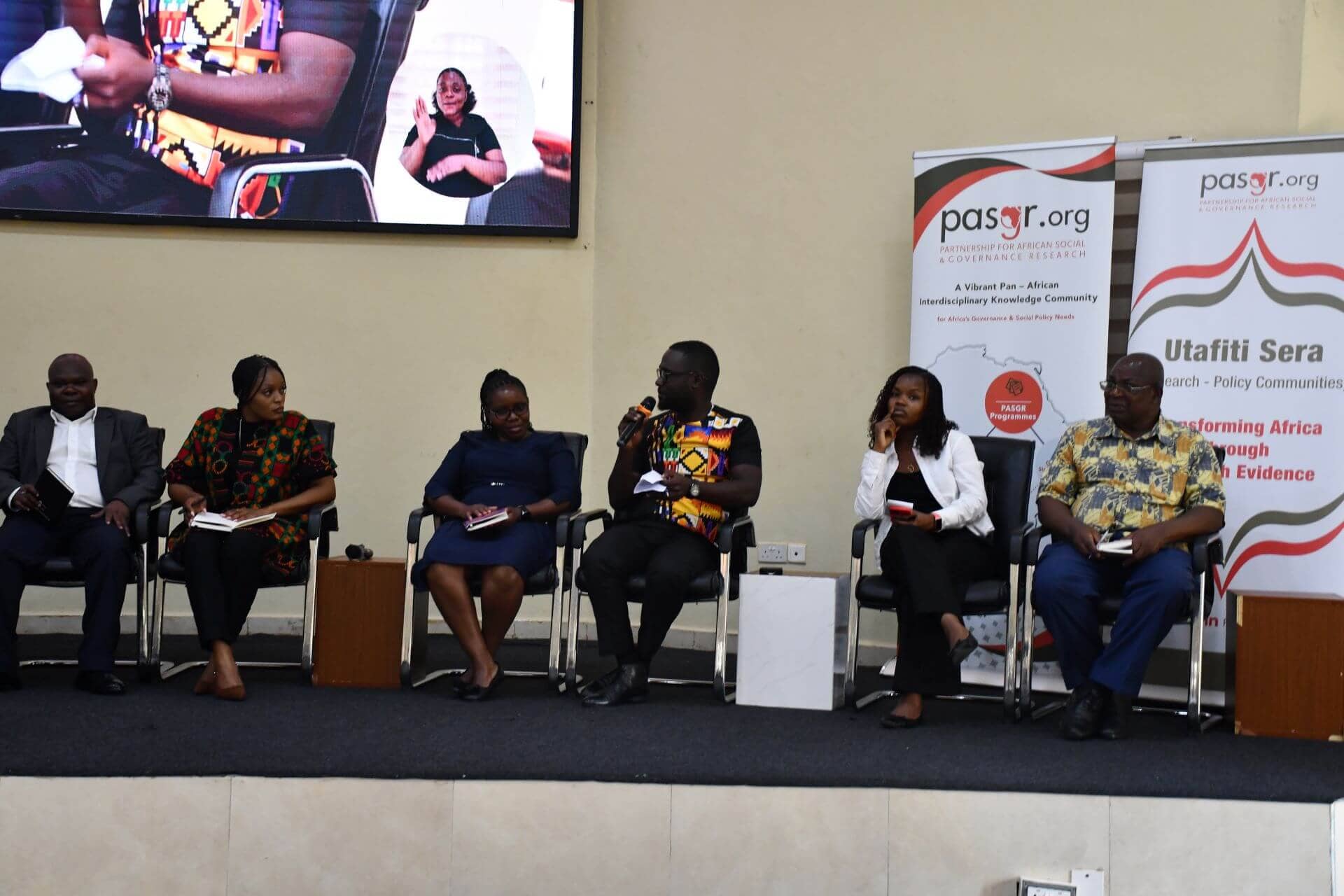
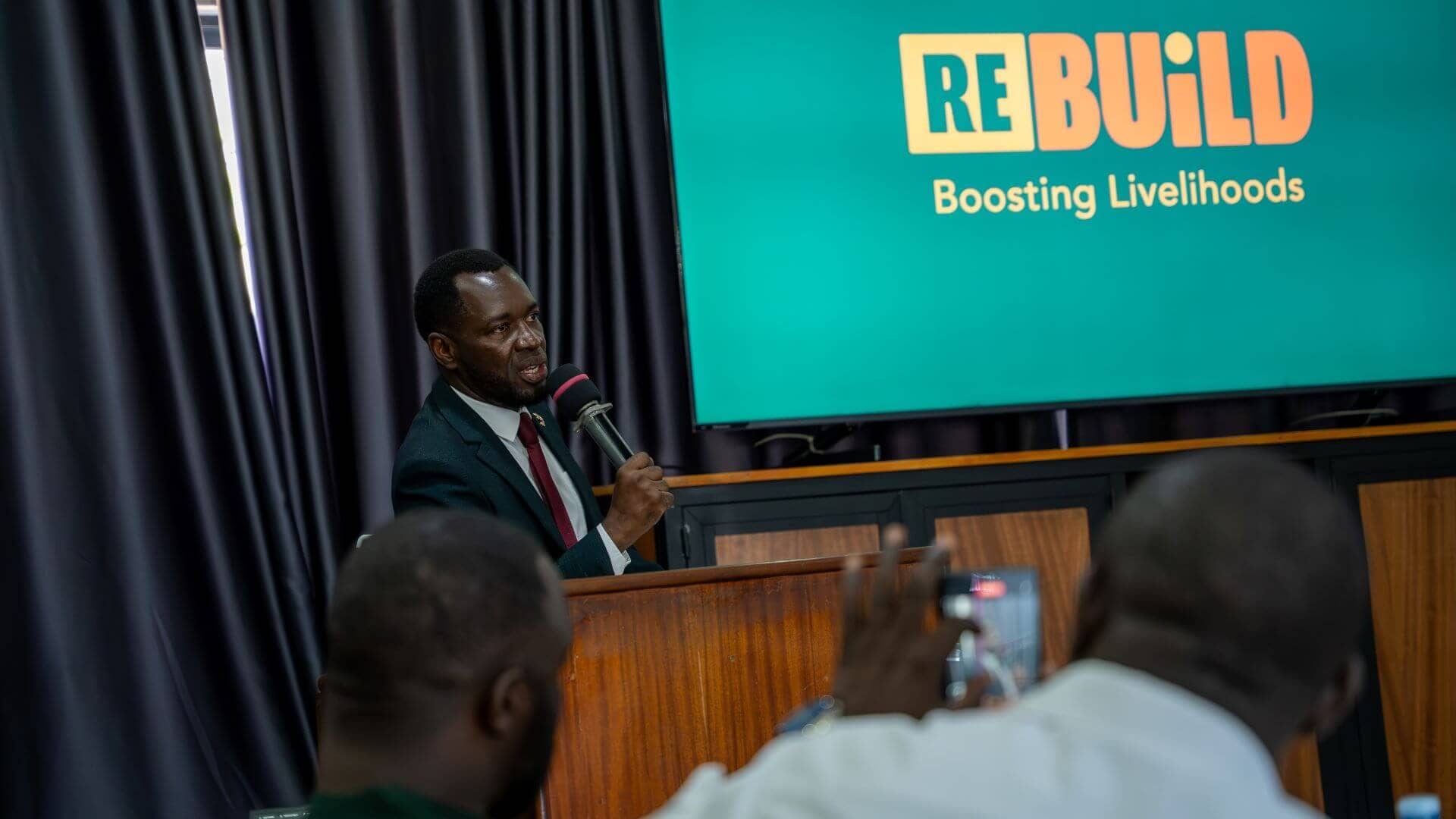
Sam Olando, Pamoja Trust, screened during the panel session on Urban Governance and City Transformation highlighting how they have partnered with local authorities to institutionalize refugee matters.
What Was Discussed: Key Deliberations and Emerging Consensus
Discussions opened around a single provocation: Does Africa lack systems, or does it lack data? Speakers converged quickly on the latter. “Africa doesn’t lack data, it lacks systems,” said Prof. Fadel Jamir, PASGR. “A law not backed by evidence is weak; a law backed by evidence is a tool for development,” added Hon. Fabakary Tombong Jatta, Speaker of the National Assembly of The Gambia. And as Hon. Eric Wafuko, former CAS, National Treasury and Planning, Kenya put it: “if politicians surround themselves with praise singers, they struggle; if they engage think tanks, they shine.”
Real progress is visible: politics is increasingly recognized as central to evidence uptake rather than a barrier to work around; translation of research into accessible formats; policy briefs, infographics, sign-language interpretation is growing; and relationship-building between researchers, think tanks, and governments is deepening. Yet the same barriers recur state capture and political patronage still shape decisions regardless of the evidence base (Katetch & Oando, 2025); research questions are often misaligned with policy needs; technical language , weak Monitoring and Evaluation limit usability; and heavy reliance on donor funding leaves the ecosystem fragile and centralized.
Several key shifts were emphasized: strengthening governance accountability by linking both funding and demand to demonstrable results; ensuring continuous support for local organizations and city government representatives so evidence is presented directly by those who generate and hold it; and enhancing communication and dissemination through digital platforms and storytelling.
Learning from Adaptive Practice: Screening Criteria and labs
A standout lesson was how the labs screened the hundreds of evidence cases submitted. Every evidence paper was vetted against three-ground scorecard:
Root-Cause Problem; does the case address the actual driver of the policy problem, not just its symptoms?
Evidence-Based Solution; is the intervention backed by credible, defensible evidence of what worked? how, and when?
Scalability, Replicability, and Sustainability; can it realistically be adopted elsewhere, and sustained, beyond the original project? Public policy financing considerations? Has government owned or led it? Can it be scaled, and within what reasonable timeline?
Across five concurrent deep-dive labs; spanning government and parliamentary engagement, financing and investment, implementation and civil society, evidence and policy innovation, and the private sector. The labs applied the same screening methodology and guiding-question set to a different policy domain, each convened by a different lead facilitator and members mapping what has worked, to understanding how and why, to defining what must change for an Africa-led evidence ecosystem.
| Lab (Focus) | Lead Facilitator(s) | Composition | Methodology |
|---|---|---|---|
| Government & Parliamentary Lab Focus: policy, legislation, budgeting, oversight, institutionalization | Africa Parliamentary Network (APN) | CSOs, IRC, policymakers, academia, statisticians, government advisors, governors, MPs, KCCA, NCCG | Cases were pitched as 5-minute speed talks, using a "come-back" facilitation technique, scored live against the three criteria above, then given two additional minutes for plenary reactions. Within two minutes, lab members reached a consensus verdict with stated reasoning, and policymakers in the room then judged whether the model was feasible to replicate in their own countries. Of 240 evidence cases screened, 40 were selected for scaling and replication. The strongest papers were elevated to the main auditorium to demonstrate practical translation of evidence into policymaking. |
| Financing & Investment Lab Focus: funding decisions, results-based financing, accountability, impact investing | Hewlett Foundation & Mastercard Foundation | Carnegie, AfDB, private sector, development partners, local banks, Netherlands Embassy, academia, NGOs | |
| Implementation & Civil Society Lab Focus: programme adaptation, citizen engagement, advocacy, real-time learning | Afrobarometer & Africa Evidence Network | CSOs, NGOs, academia, lawyers, donors | |
| Evidence, Research & Policy Innovation Lab Focus: evidence synthesis, translation, knowledge brokering, methodological innovation | IRC, Pamoja Trust, ISSER, PASGR | CI Network, PACKS Africa, CSOs, governors, cabinet advisors, seasoned academia, policymakers, donors | |
| Private Sector Lab Focus: business decisions, impact investing, agriculture, climate, digital economy, MSME growth | Impact Investing Ghana | Private sector, philanthropies, climate researchers, national governments, policymakers, youth leaders |
Our Participation: The AYPS and Urban Governance Side Events
A side event on African Youth Pathways to Dignified and Fulfilling Work and Systems Change (AYPS) was held where Re:BUiLD’s experience with working with the Nairobi City County Government (NCCG) and Pamoja Trust was amplified. The Re:BUiLD team showcased how East Africa has institutionalized evidence giving a grounded, city-level account of evidence-informed urban governance, which complemented the conference’s broader continental themes.
Evidence on urban refugee and host-community livelihoods is most useful when co-produced with the government departments and communities that will apply it.
Youth economic pathways need “evidence as a product” packaged for the specific decisions city governments and civil society are trying to make.
Local organizations like Pamoja Trust and city institutions like NCCG and KCCA are best placed to speak to what has and hasn’t worked in their own jurisdictions and how operationalization of frameworks such as the NCRIS and the Kampala Strategic Plan complement national government plans such as Kenya’s Shirika plan
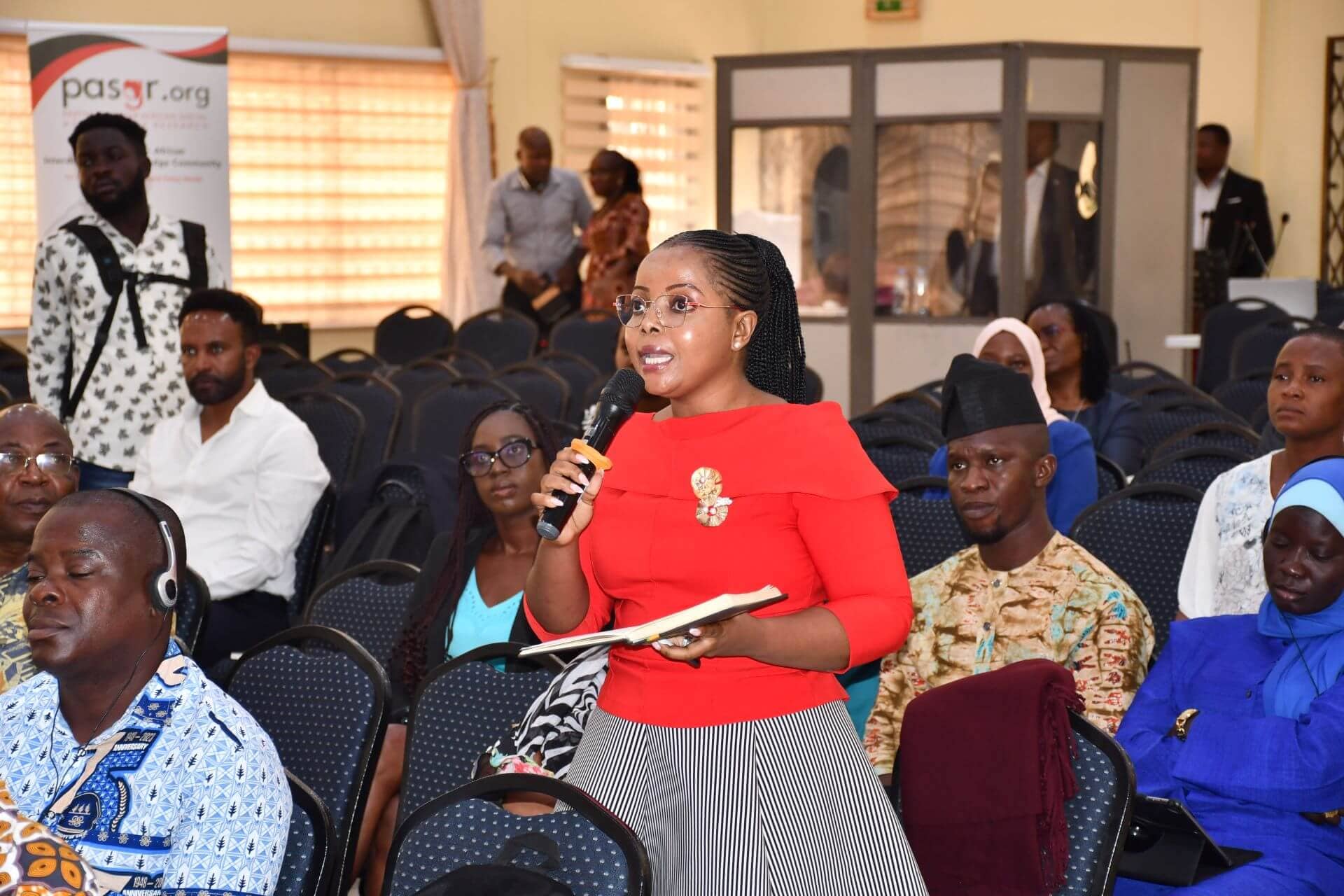
Irene Shiundu, Re:BUiLD, discussing how East Africa has institutionalized evidence at the AYPS side event.
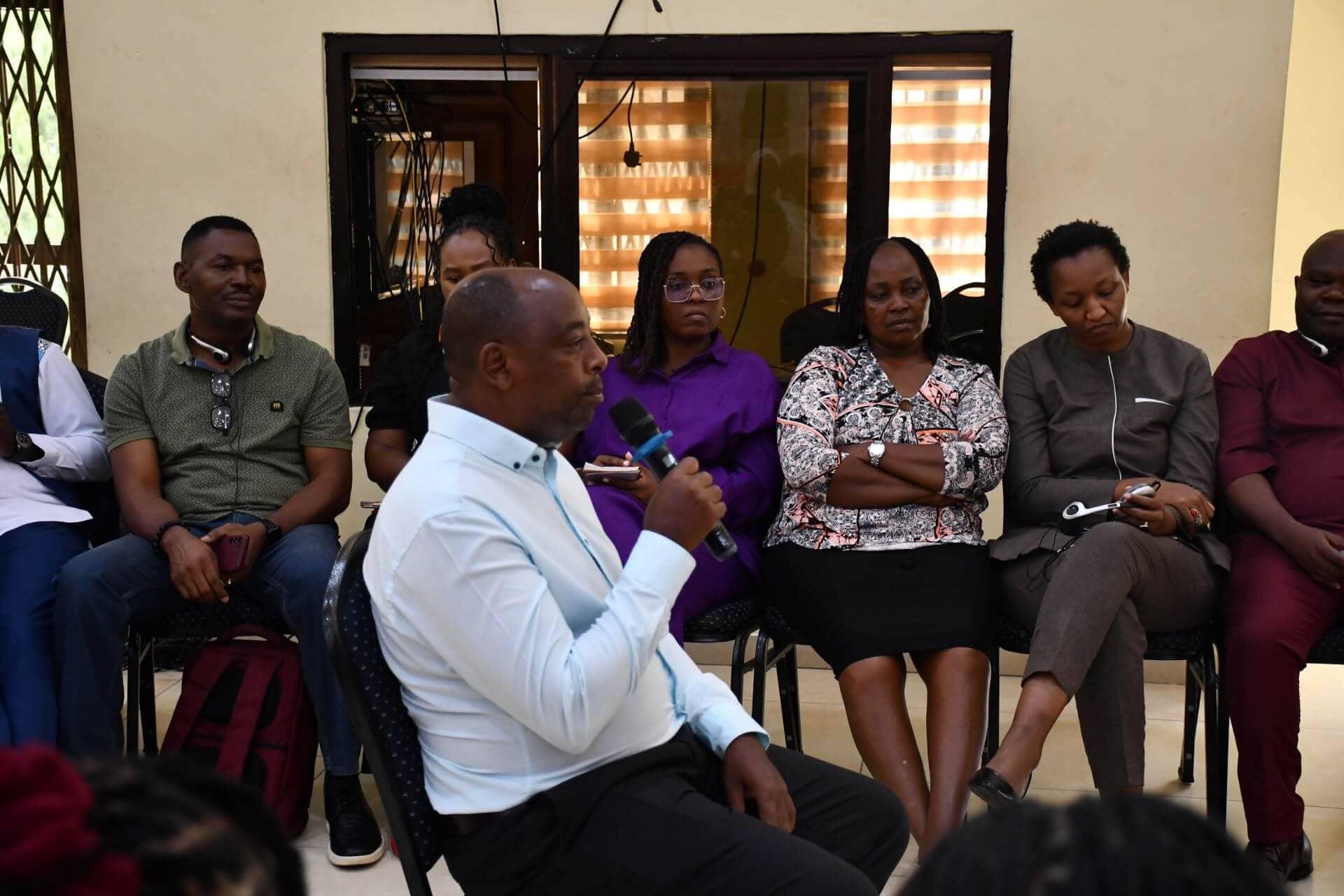
Mr. Godwin Gumisiriza, presenting KCCA’s Five-Year Strategic Plan, and how it was informed by evidence.
Agreed Next Steps: What This Means for Re:BUiLD and Evidence-based Programs
The conference closed with a shared commitment across governments, researchers, and civil society to keep building systems not just producing more evidence:
First, Embed policymakers early in research design. To promote fair level of engagement with academia, thinktanks, CSOs and MDAs, both the frequency and depth of interactions should be strengthened as a strategy to support evidence use. This can include initiatives such as recruiting research officers in policy institutions.
African countries must invest in local research infrastructure and data systems to cure funding asymmetry. Countries should advocate for African led development projects to reduce dependency on externally imposed frameworks that may not be suited to local contexts. Strengthening indigenous research institutions and supporting local researchers will help generate contextually relevant evidence that reflects the realities on the ground. Increased funding and institutional backing are essential to ensure the sustainability and impact of these efforts. Robust and reliable data collection and analysis systems are also necessary to inform sound policy decisions, providing timely and accurate information that aligns with national development priorities. This shift will empower nations to take ownership of their development agendas and tailor interventions to their unique socio-political environments.
Communication and tailored dissemination mechanisms must be strengthened. Digital platforms, policy briefs, and interactive data communication tools including story telling can enhance accessibility and ensure that evidence reaches decision-makers in a user-friendly format. This will support real-time, informed policymaking and foster a culture of evidence use in governance.
Applying a private sector lens to evidence uptake by reframing evidence as a demand-driven “product” rather than static knowledge. This involves ensuring quality, relevance, and usability, analyzing policy demand as a “market” and strategically packaging evidence to influence decision-making
“Policy uptake depends heavily on relationships, not just evidence quality. Therefore, investing in bridging the language between researchers and policymakers, builds trust, enables co-creation of knowledge, ensuring relevance…,”Prof, Anyang’ Nyong’o, Kisumu County Governor, Kenya.
Measure impact intentionally. Strengthening monitoring and evaluation requires robust data systems, archives, and frameworks that communicate in policymakers’ language, preserving institutional memory while adapting to political priorities.
Final Reflection
A recurring frame was Afro-Pragmatism: self-belief that African expertise is equal to any other continent’s; collaborative competition learning from and with other African countries; and embedding African value systems into policy design. As a Government of Kenya spokesperson amply put it: “Africa neither looks east nor west. Africa looks forward.”
The E2A 2026 confirmed what many of us already sensed: evidence alone cannot move policy politics, relationships, systems, and timing do. Africa is not short of evidence; it is short of the structures and incentives to use it.