Restoring Livelihoods in Fragile Contexts: Experiences from the Re:BUiLD Model. Showcased at the 2026 World Bank Fragility Forum
Restoring Livelihoods in Fragile Contexts: Experiences from the Re:BUiLD Model. Showcased at the 2026 World Bank Fragility Forum
Restoring Livelihoods in Fragile Contexts: Experiences from the Re:BUiLD Model. Showcased at the 2026 World Bank Fragility Forum
By Belinda Muya
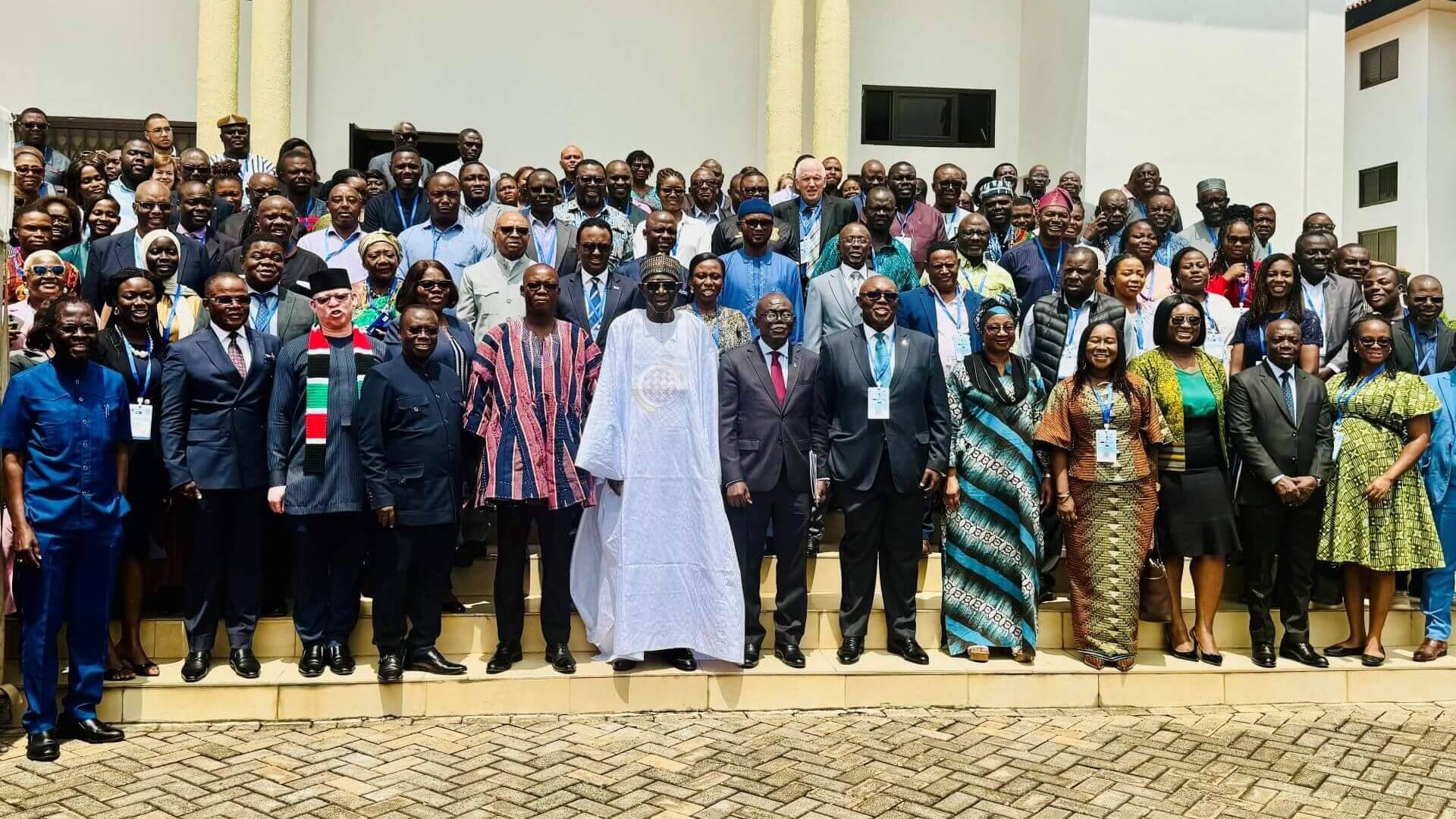
The 2026 World Bank (WB) Fragility Forum brought together heads of government, multilateral institutions, donors, practitioners, and civil society organizations to explore how the global community can better respond to the growing challenges of fragility, conflict, and violence (FCV). Against a backdrop of rising displacement, conflict, and poverty, the Forum provided an important opportunity to identify practical, evidence-based solutions and strengthen collective action across the sector.
The International Rescue Committee (IRC) participated in the Forum as part of its continued advocacy to ensure fragile and conflict-affected settings are not left behind in global development financing. Reflecting the importance that the IRC places on these issues, the IRC’s President and CEO, David Miliband, joined other global leaders in shaping the conversation on the future of development in fragile contexts. He underscored three priorities: that development efforts must remain driven by the needs of affected communities while delivering measurable results; that institutions must be willing to rethink risk, recognizing that the greatest risk is failing to reach those who need support the most; and that NGOs like the IRC are essential partners in both responding to crises and strengthening government systems for long-term recovery.
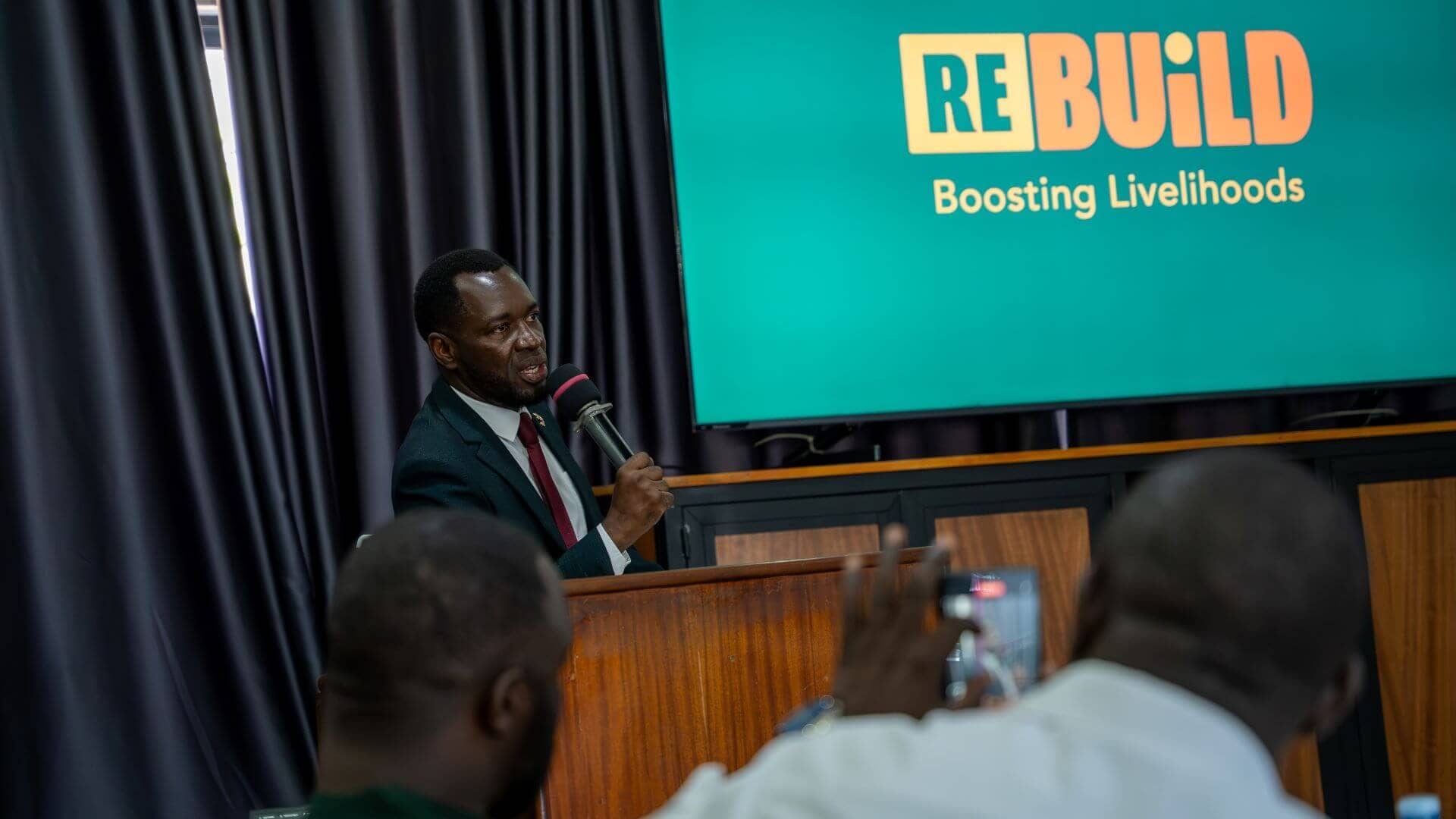
The Re:BUiLD Program contributed to the Forum through the session on Restoring Livelihoods and Markets in Fragile Contexts, alongside representatives from CARE, Mercy Corps, World Vision, and the Alliance for Peacebuilding and hosted by the Joan B. Kroc School of Peace Studies, University of San Diego. Representing the Re:BUiLD Program, Belinda Muya demonstrated how nearly six years of implementation, rigorous research, and policy engagement have culminated in a comprehensive model for restoring livelihoods and strengthening markets in refugee and host community settings. More than a collection of successful interventions, Re:BUiLD offers an evidence-backed approach that governments, donors, and implementing partners can adapt and scale across fragile contexts. At the heart of the presentation was the proposition that sustainable livelihoods require more than standalone programs, they require a well-designed integrated model that combines evidence generation, adaptive implementation, systems strengthening, and market development.
Re:BUiLD’s first distinguishing feature is its commitment to embedding experimentation for evidence generation throughout the program lifecycle. Existing evidence informed program design, while rigorous impact evaluations and cost-analyses generated new knowledge on what works, what does not, for whom, and at what cost. This continuous learning process has produced a portfolio of high-impact, cost-sensitive interventions that are ready to be scaled by Re:BUiLD and replicated by others across the sector.
A second defining feature has been the program's ability to adapt. Flexible, long-term financial and thought support from the IKEA Foundation enabled Re:BUiLD to respond to changing contexts, refine interventions based on emerging evidence, and pursue innovation without compromising accountability. This entrenched adaptability has been instrumental in achieving stronger and more sustainable outcomes.
Finally, and equally important has been Re:BUiLD's whole-of-system approach. Rather than operating outside of government systems, the program has worked with policymakers to strengthen policies and institutions that support both refugees and vulnerable host communities. This has increased the likelihood that successful interventions will outlast the program itself and continue delivering impact through national, city and community level systems.
Building on these lessons, the presentation challenged both donors and implementers to rethink how development investments are designed and funded.
1. First, investment decisions should be driven by evidence, technical excellence, value for money, and measurable impact, ensuring scarce resources are directed toward interventions with the greatest potential to improve livelihoods.
2. Second, Re:BUiLD's experience demonstrates that different interventions require different levels of investment and time to realize results. Systems change requires patient, flexible, and long-term financing. While some interventions deliver immediate results, others, such as skills development, market systems strengthening, and policy reform, require sustained investment before their full impact is realized. Funding models should be alive to these realities and reflect these different pathways to impact.
3. Third, restoring livelihoods cannot happen without the private sector. Re:BUiLD's work has shown that sustainable economic inclusion depends on strengthening markets, expanding financial inclusion, and creating commercially viable opportunities that continue long after donor funding ends.
4. Finally, Re:BUiLD has shown the value of creating space for honest learning. Donors can strengthen the entire sector by encouraging programs to openly share challenges and failures alongside successes. Doing so builds a richer evidence base, builds confidence in implementing partners, accelerates learning across organizations, and ultimately leads to better outcomes for the communities the sector serves.
The Re:BUiLD presentation reinforced a simple but important message: sustainable livelihoods in fragile settings are not achieved through isolated interventions. They are built through integrated, evidence-driven approaches that combine rigorous research, adaptive delivery, policy engagement, and long-term partnerships. As the global community looks to strengthen development in FCV settings, Re:BUiLD offers not only evidence of what works, but a practical model that others can adopt, adapt, and scale.