Re:BUiLD Rebirth Launched to Scale What Works
Re:BUiLD Rebirth Launched to Scale What Works
Re:BUiLD Rebirth Launched to Scale What Works
By Moses Odokonyero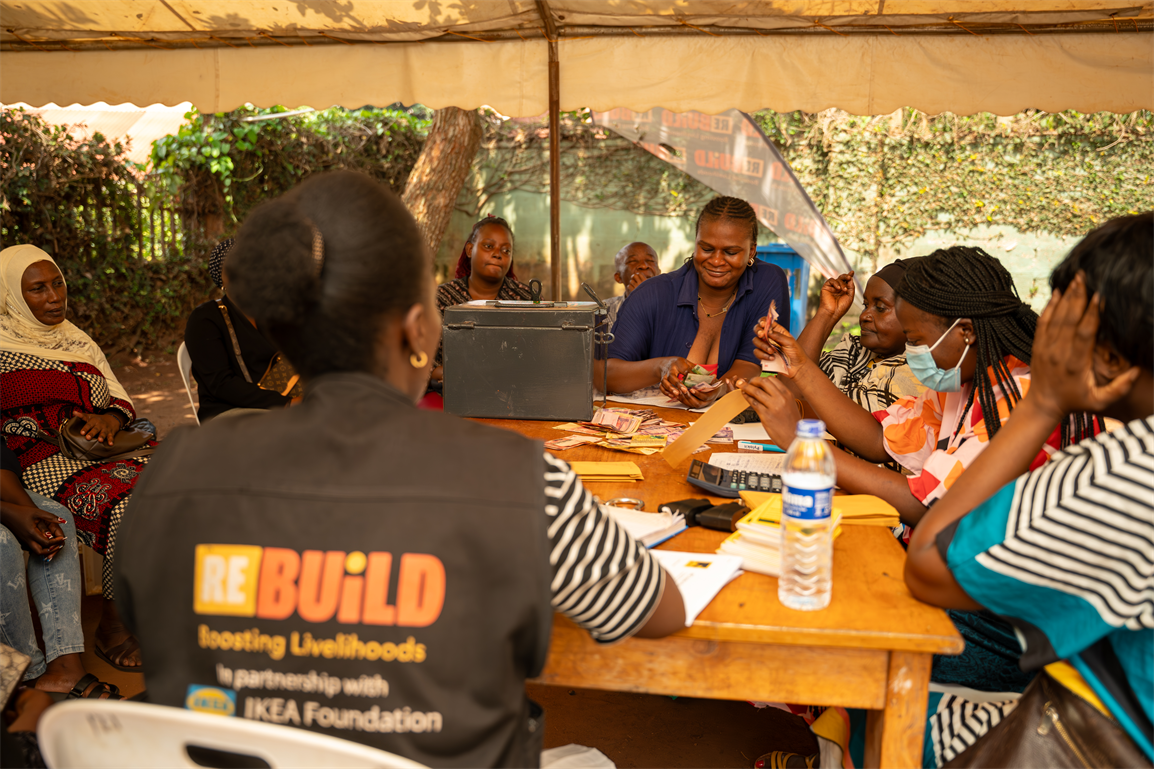
A 15 month extension of the Refugees in East Africa: Boosting Urban Innovations for Livelihoods Development (Re:BUiLD) program has been launched, with a focus on scaling financial inclusion, expanding strategic partnerships for sustainability, and deepening advocacy to foster inclusive urban livelihoods for refugees and nationals in Kampala , Assosa and Nairobi.
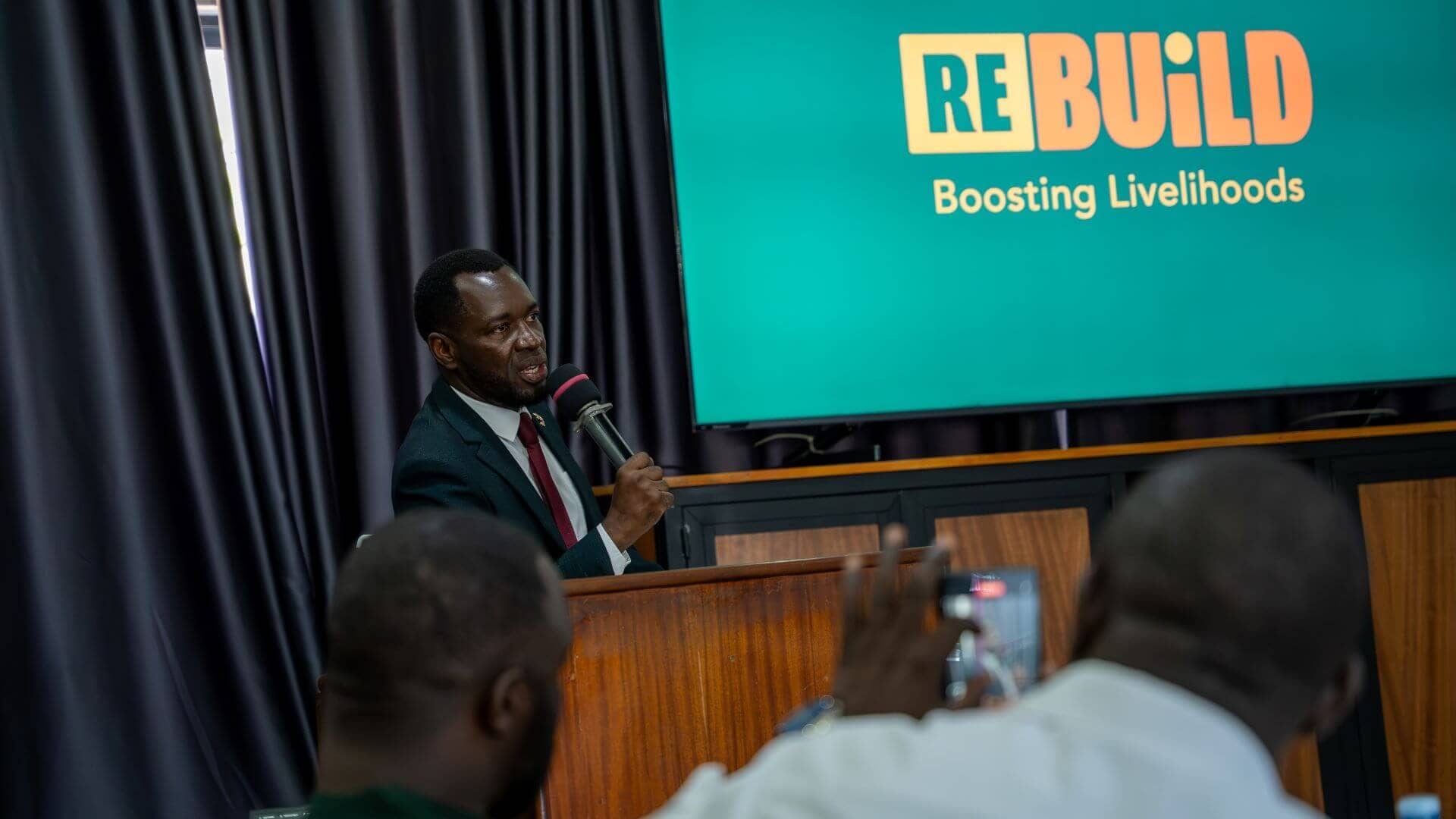
“This extension is a vote of confidence in Re:BUiLD that speaks volumes,” said Priscilla Dembetembe, Re:BUiLD Program Director, during the grant opening event held recently in Nairobi, Kenya.
The €5 million extension, funded by the IKEA Foundation, will run for 15 months starting April 2026 and aims to reach approximately 3,000 refugees and nationals across the three cities. The renewed phase will bring to €35 million as the total investment from the IKEA Foundation in urban refugee livelihoods in East Africa over a period of seven years from 2021.
‘‘Re:BUiLD has been described as a well‑oiled machine. Securing a €5 million grant from the IKEA Foundation in the current funding landscape is a strong testament to the program’s performance,” added Priscilla Dembetembe in her grant opening address to partners and IRC staff from Uganda, Kenya, and Ethiopia.
The Re:BUiLD Program Director urged partners and the IRC teams across the three countries to build on proven approaches, accelerate implementation, and deliver impactful programming that matches the trust placed in the program by the donor and stakeholders.
Building on What Works
Between 2021 and 2025, Re:BUiLD served over 21,000 clients in Nairobi and Kampala. Approximately 60% were women, while 59% were refugees. More than 88% of clients were engaged in income‑generating activities, with 52% in self‑employment and 48% in wage employment.
One of the program’s successes has been the use of Urban Savings and Loans Associations (USLAs). Traditionally applied in rural settings, USLAs proved to be an equally robust vehicle for financial inclusion in urban contexts. On average, 230 Re:BUiLD‑supported USLA groups generated annual savings totaling €160,500.
Pilots on refugee bankability further demonstrated that urban refugees are reliable financial clients. Partnerships with Equity Bank in Nairobi and UGAFODE Microfinance in Kampala showed a 97% loan repayment rate among refugee borrowers.
Through randomized control trials and pilots, Re:BUiLD has generated strong evidence to inform more effective service delivery for urban refugees and vulnerable host communities. Over the next 15 months, this evidence will guide collaboration with the Nairobi City County Government and the Kampala Capital City Authority (KCCA) to integrate refugee‑inclusive approaches into urban development strategies.
Expanding to Ethiopia
In both Kenya and Uganda, Re:BUiLD has expanded its programming beyond Nairobi and Kampala. In Uganda, activities now extend to surrounding areas within the Kampala Metropolitan Area, while in Kenya, implementation has expanded to Garissa and Turkana counties , broadening the program’s urban and peri‑urban reach.
Building on this momentum, Re:BUiLD has also expanded to Ethiopia, where it is working with the IRC Ethiopia Country Program to scale financial inclusion in Assosa. The expansion aims to address barriers to access to financial services for refugees and vulnerable host communities.
Describing the move as future‑oriented, Program Director Priscilla Dembetembe noted that Re:BUiLD’s entry into Ethiopia is a strategic step to establish a strong footprint in livelihoods programming and to extend proven, evidence‑based approaches to new contexts to advance economic inclusion and self-reliance for clients.