Building Financial Inclusion Through Community Savings Groups
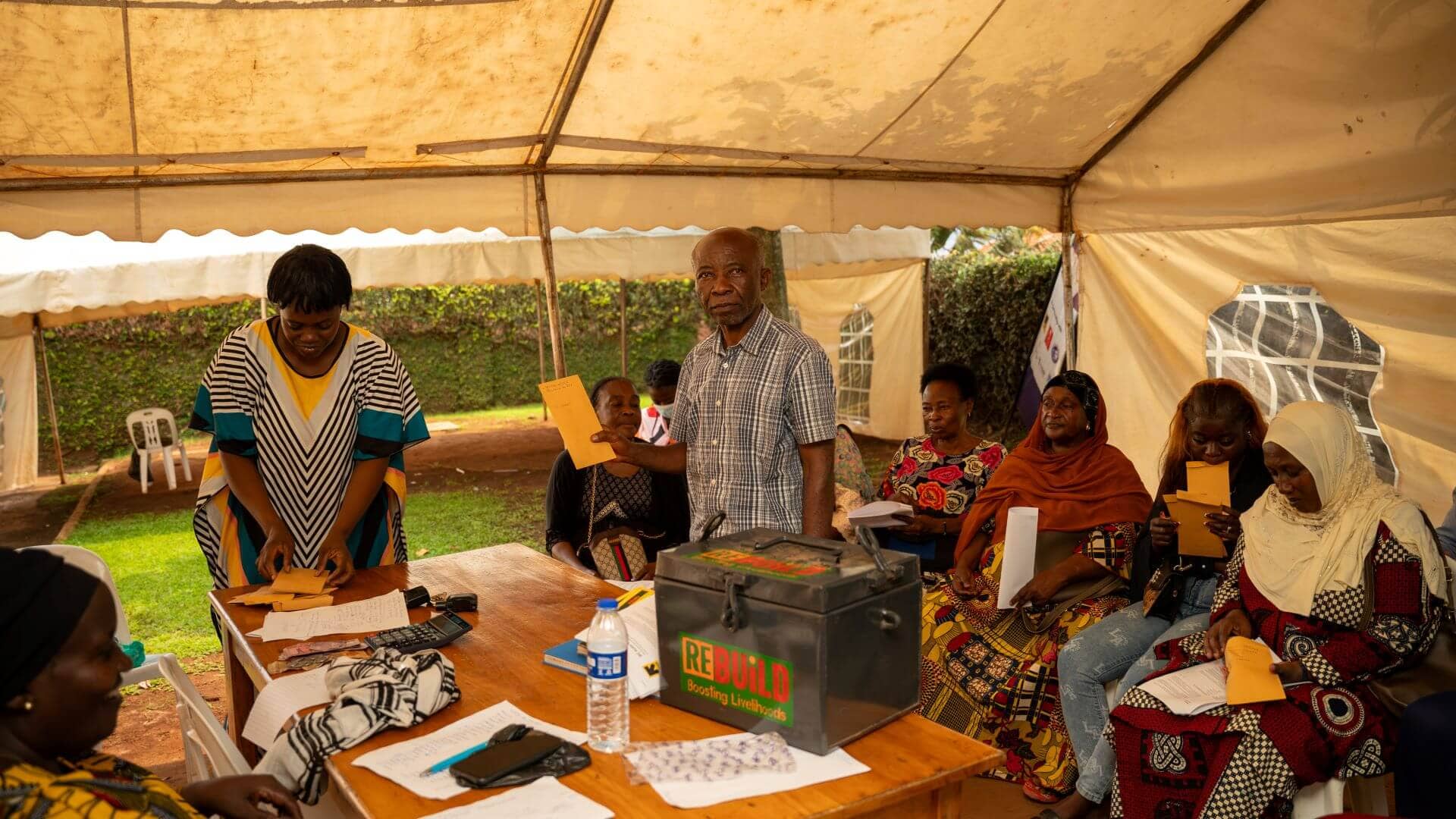 |
Access to appropriate financial services remains an important part of building economic self-reliance for refugees and vulnerable host communities. Through Urban Savings and Loans Associations (USLAs), Re:BUiLD is supporting refugees and host community members in Nairobi and Kampala to build savings habits, access small loans, strengthen financial management skills and develop pathways towards formal financial services. USLAs are community-based financial groups of 15–25 members that bring members together to save, access loans and build their financial capacity. Re:BUiLD supported groups with training in savings and lending principles, governance, record keeping, conflict management and financial literacy. The approach is designed not only to improve access to finance, but also to strengthen financial confidence, trust and collective accountability within communities.
|
How USLAs Support Financial Inclusion
These groups are supported with structured training on governance, record keeping, conflict management, and financial literacy, which not only built group capacity but also foster strong norms of trust, transparency, and accountability. Importantly, USLAs offer more than access to informal credit. They function as safe and supportive spaces where financial habits are nurtured. Members internalized the discipline of saving and repaying loans, creating informal credit histories that demonstrated their creditworthiness.
In addition to the training, the Re:BUiLD program facilitate the groups to register with the Kampala City Council Authority (KCCA) in Kampala and Nairobi City County Government in Nairobi as Community Based Organizations (CBOs) and establish linkages with financial service providers.
Five-Year Results
From 2021 to 2025, Re:BUiLD and its partners supported the establishment and strengthening of USLAs in Nairobi and Kampala.
By December 2025, Re:BUiLD and partners supported 237 USLA groups comprising 3,118 refugees and 1167 nationals. In Nairobi, Re:BUiLD and partners supported 133 USLA groups comprising 1,673 refugees and 388 nationals. In Kampala, Re:BUiLD and partners supported 104 USLA groups comprising 1,445 refugees and 779 nationals.
Cumulatively, these groups have saved €167,927 – a testament to the financial discipline and trust that have been built. 140 of the groups (52 in Kenya, 88 in Uganda) have achieved formal registration with government authorities – a key step toward sustainability. Importantly, 1,228 refugees and host clients (974 in Nairobi and 254 in Kampala) opened bank accounts through Re:BUiLD’s financial linkages, that established a foothold in the formal financial system . The success is evident in qualitative ways too: refugee participants are reporting greater confidence in handling finances and indicate that the group model is fostering solidarity and a sense of belonging in the city.
| Nairobi | Kampala | |
| Number of groups supported | 133 | 104 |
| Females Supported | 1349 | 1548 |
| Males Supported | 709 | 672 |
| Refugees supported | 1673 | 1445 |
| Hosts supported | 388 | 779 |
| USLA Cumulative savings | Kshs 12,789,0776 (€ 85,327) | UGX 339,000,000 (€ 82,600) |
| Current status of the savings | Kshs 4,831,064 (€ 32,231) | UGX 12,978,000 (€ 3,245) |
| Businesses that have emerged from the groups | 974 | 589 |
Data source: Re:BUiLD Urban Saving & Loans Associations (USLA) survey as of December 2025
2026 Progress – Strengthening and Scaling Financial Inclusion
Through the program, Re:BUiLD has directly reached 4,285 USLA clients. To sustain and expand the impact of these groups, we support our partners and refugee‑led organizations to recruit and strengthen new USLAs.
As Re:BUiLD moves into its extension phase in 2026, the program has built on lessons from the first five years to strengthen and scale financial inclusion support in Nairobi and Kampala. Re:BUiLD's is focusing on linking eligible clients to formal financial services, including financial literacy, bank account opening and access to appropriate financing.
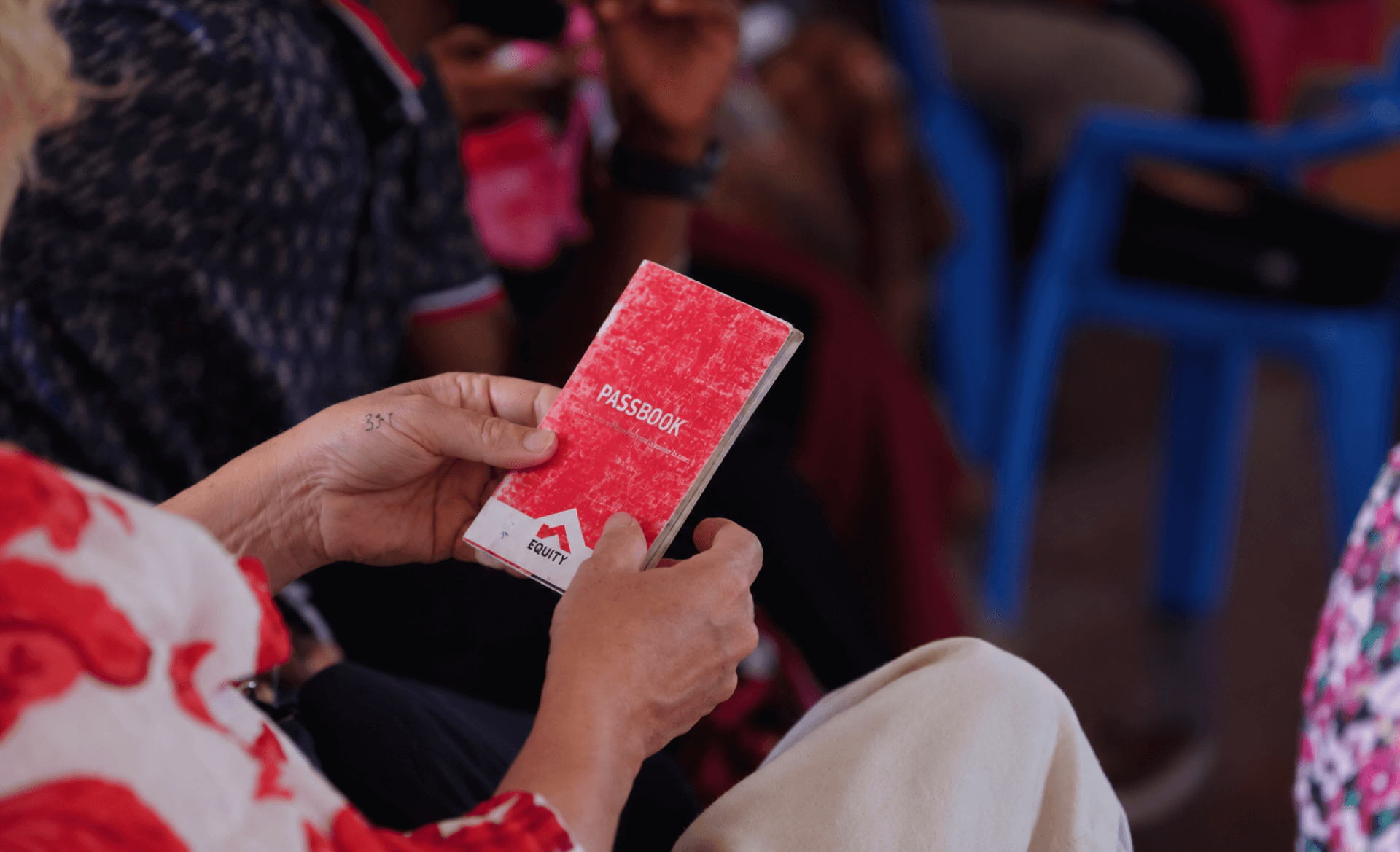
In Kenya, the program has prepared clients for financial inclusion support through partnerships with financial institutions and other stakeholders. In Uganda, verified clients are being linked to Equity Bank for financial literacy, account opening and access to loans.