
Community level advocacy
Between 2021 and 2025, Re:BUiLD advanced community-level advocacy in Kampala and Nairobi through partnerships with PLAVU (Uganda) and Pamoja Trust (Kenya). These efforts complemented national-level engagements and focused on:
-
Strengthening social cohesion
-
Promoting peaceful coexistence
-
Enhancing refugee participation in governance spaces
-
Expanding access to public services and city markets
-
Building the institutional capacity of Refugee-Led Organizations (RLOs)
Community advocacy served as a bridge between refugees, host communities, and city authorities, ensuring that inclusion efforts were grounded in lived realities.

National-Level Engagements done by Pamoja Trust
Expanding Access to County Services
Pamoja Trust engaged key Nairobi City County departments, including Education, Health, and Trade, to reduce systemic barriers facing urban refugees.
Key achievements include:
-
Over 200 enforcement officers trained on refugee rights and legal frameworks to reduce harassment and extortion.
-
1,000 refugees enrolled in the Social Health Authority (SHA) insurance scheme.
-
More than 500 refugee-owned businesses formalized through licensing support.
-
At least nine refugees linked to the Micro and Small Enterprises Authority (MSEA) for livelihood grants.
Refugees were also connected to local health facilities and community health promoters, improving access to healthcare services.
Refugee Participation in Governance
Through facilitated dialogues, refugees and host communities engaged in:
-
Chief barazas and local security forums
-
County budget consultations
-
Review of the Finance Bill and County Integrated Development Plans
More than 100 refugees participated in sub-county strategic planning processes across Westlands, Dagoretti North, Kibera, Mathare, Kamukunji, Embakasi Central and South, Kasarani, and Roysambu. These contributions were reflected in the Nairobi County Integrated Development Plan (2022–2027). In order to address challenges faced by marginalized groups, the document addresses refugee needs and even goes ahead to designate critical offices to respond to refugee concerns in Nairobi.
Re:BUiLD held bilateral meetings with county government departments to improve refugee access to health services and enhance their participation in county decision-making processes. Forums in Kibera, Kayole, and Githurai linked refugees with local administrative offices, including chiefs, Nyumba Kumi officials, and police, leading to the formation of temporary committees (such as in Kibra) to bridge service gaps. The team also participated in the launch of the Nairobi City County Government (NCCG) civic engagement report and contributed to the review of the NCCG Fiscal Strategy Paper 2025, ensuring refugee perspectives were represented in planning processes.
Capacity Strengthening of Refugee-Led Organizations
Re:BUiLD supported the institutional strengthening of 30 RLOs, with 15 establishing strong governance systems and internal controls.
RLOs received training on:
-
Institutional governance
-
Financial and procurement policies
-
Strategic planning
-
Resource mobilization
-
Sustainability mechanisms
The trainings have enabled RLO advance in their operations and simultaneously widen their scope of work. In Kitengela, 4 RLOs (Oak solution, Pamoja Twaweza, Port of Manna, Ubuntu refugee, Jump over Seven Feet) have not only managed to develop finance and procurement policies but have also been able to secure in kind support from donors and well-wishers. RLOs have been able to draft strategic plans that have seen them have more guided interventions featuring local players and government offices. In streamlining operations, working on governance structures and expanding partners base, Oak solution in Kitengela for instance have been able to attract bigger international donors with probability of securing bigger funding. Other RLOs like Umoja Refugees and Kivuli Carvings have since established greater relations with Nairobi County government to an extent of securing exhibition booths in the county’s trade fair conducted quarterly.
Media Engagement and Visibility
Joint forums with CSOs, RLOs, and media actors promoted accurate and empowering narratives about refugee self-reliance. These engagements helped shift discourse from vulnerability-focused reporting to inclusion and economic contribution.
Advocacy & systems strengthening for refugee inclusion at community level
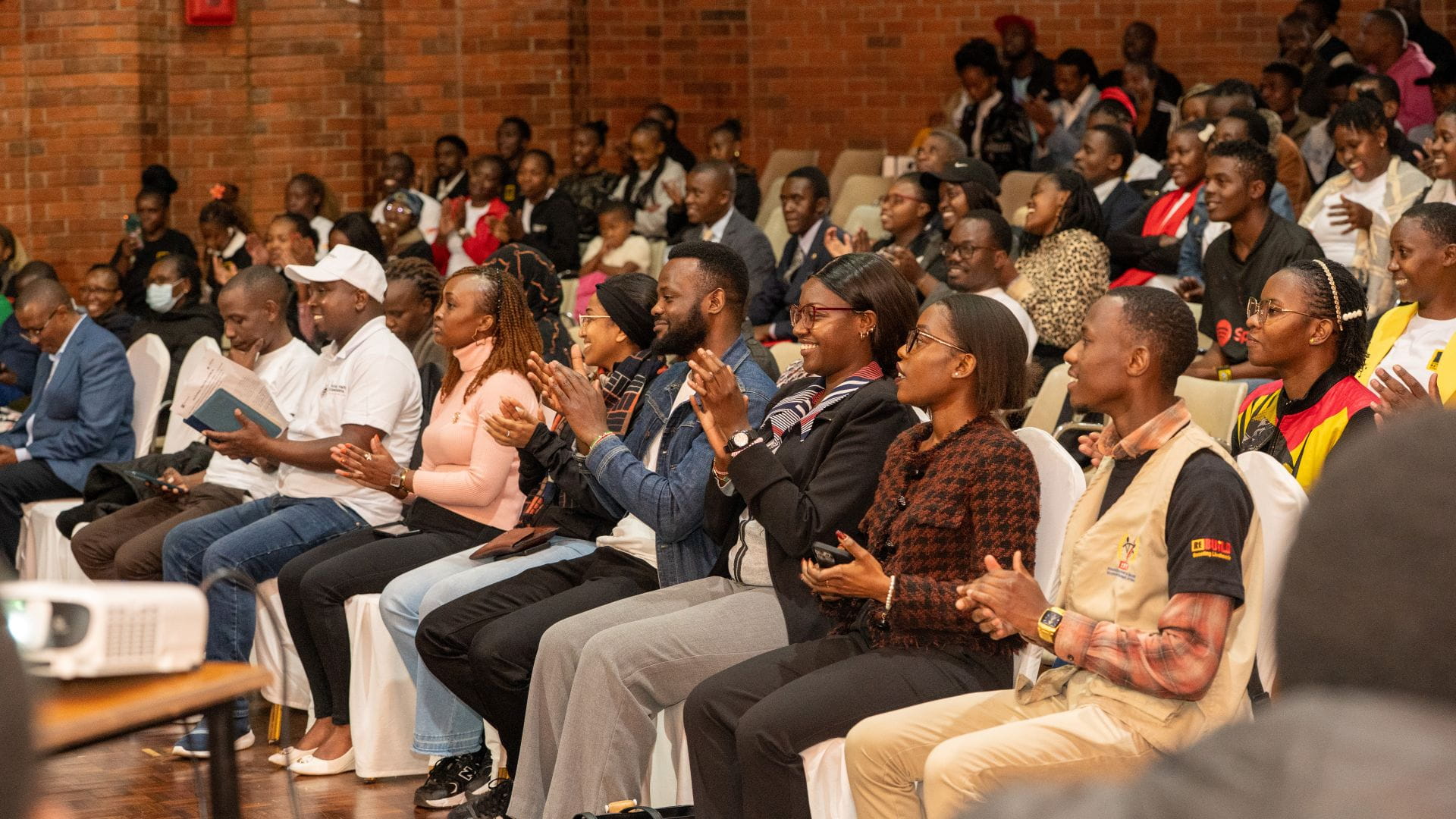
In June 2025, we organized radio talk shows in celebration of International Women’s Day, amplifying refugee women’s voices and highlighting their rights and contributions to self-reliance and integration. Refugee and host women rights defenders received training on advocacy and human rights, equipping them with practical strategies for seeking justice and protection. The International Women’s Day commemoration in Kawangware brought together refugee and host women to showcase initiatives in gender-based violence (GBV) response, livelihoods, and cultural preservation, promoting mutual learning and solidarity.
National-Level Engagements done by PLAVU
Scale refugee access to city services and city markets
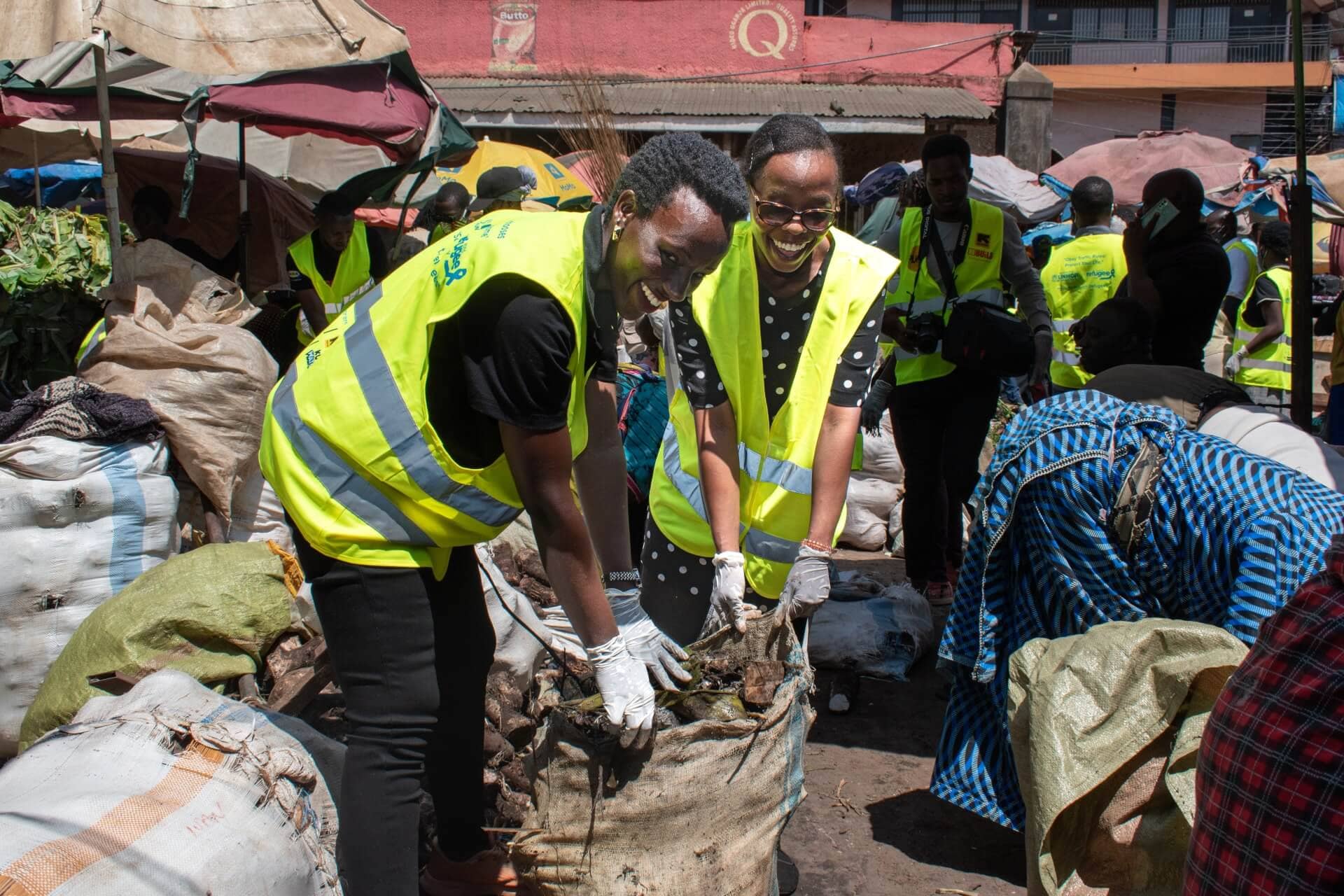
PLAVU engaged KCCA market authorities and sector leaders across five city markets (Nakawa, Nakasero, USAFI, Kalwere, Smart City Bazaar).
Results:
-
65 market leaders engaged.
-
45 refugees gained access to market spaces.
-
Commitments secured to recognize refugee IDs for market access.
-
113 market leaders pledged inclusive stall allocation practices.
Strengthening Local Governance Participation
Through the Community Process Facilitator (CPF) model:
-
45 trained community volunteers (23 refugees, 22 hosts) operated across Kampala’s five divisions.
-
700 refugees were registered within LC1 village systems.
-
Refugees now participate in village, ward, and divisional planning processes.
The CPF model enhanced voice, visibility, and access to services and market opportunities.
A joint learning brief titled “Agents of Change: Community Process Facilitators Driving Refugee–Host Integration in Kampala” documented this model.
Improving Access to Public Services
PLAVU developed an Access to Services Map identifying public health facilities and development programs across Kampala’s five divisions. The tool outlines service types and eligibility criteria, enabling refugees and hosts to navigate services more effectively.
Social Cohesion & International Day Commemorations
Community-level engagement during International Women’s Day, Labour Day, and World Refugee Day provided platforms for: Product exhibitions
-
Cultural exchange
-
Awareness campaigns
-
Gender-based violence advocacy
These events strengthened refugee–host collaboration and visibility.
Lessons learned from the Journey
-
Streamlining Documentation Processes: Pamoja Trust together with partners under refugee working groups, will continue to advocate for measures that simplify and expedite the documentation process for refugees. This will ensure access to essential services and employment opportunities while promoting legal recognition for refugees’ identification documents.
-
Establishing linkages to Employment and Education: Strengthening of the program’s access to employment opportunities
-
Improving Access to Services that Expand Refugees’ Material, Physical and Legal Safety: Access to social services remains average for refuge communities across the target sites. The complexity of structural barriers to access these services plays a big part in this.
-
Refugee Data Repository: Data on refugees (and migrants) indicators was unavailable, and in instances where it was available, there was either little to pick on or variance data from different agencies on different indicators on social cohesion. There is a need for harnessed documentation to enhance tracking and reporting.
-
Host Community Involvement: While Pamoja Trust approach prioritizes the inclusion of host communities in all its activities, refugee programming by some actors tends to exclude host communities who are the fulcrum of social inclusion. Excluding host communities from program planning and implementation takes away social cohesion’s key pillar - host communities. Social cohesion is possible only when host communities have a chance of appreciating or understanding the refugee context or grasping refugee issues for them to equally be ambassadors and champions of refugee integration within the communities.
-
Advocacy is a long-term commitment requiring persistence, adaptation and financing.
-
Stakeholder engagement and cross sector collaboration has proven is vital for sustainable impact, program progress and systemic change.
-
Addressing gender based violence among refugees should take into consideration diverse and deeply rooted cultural and or traditional beliefs and customs