Overview
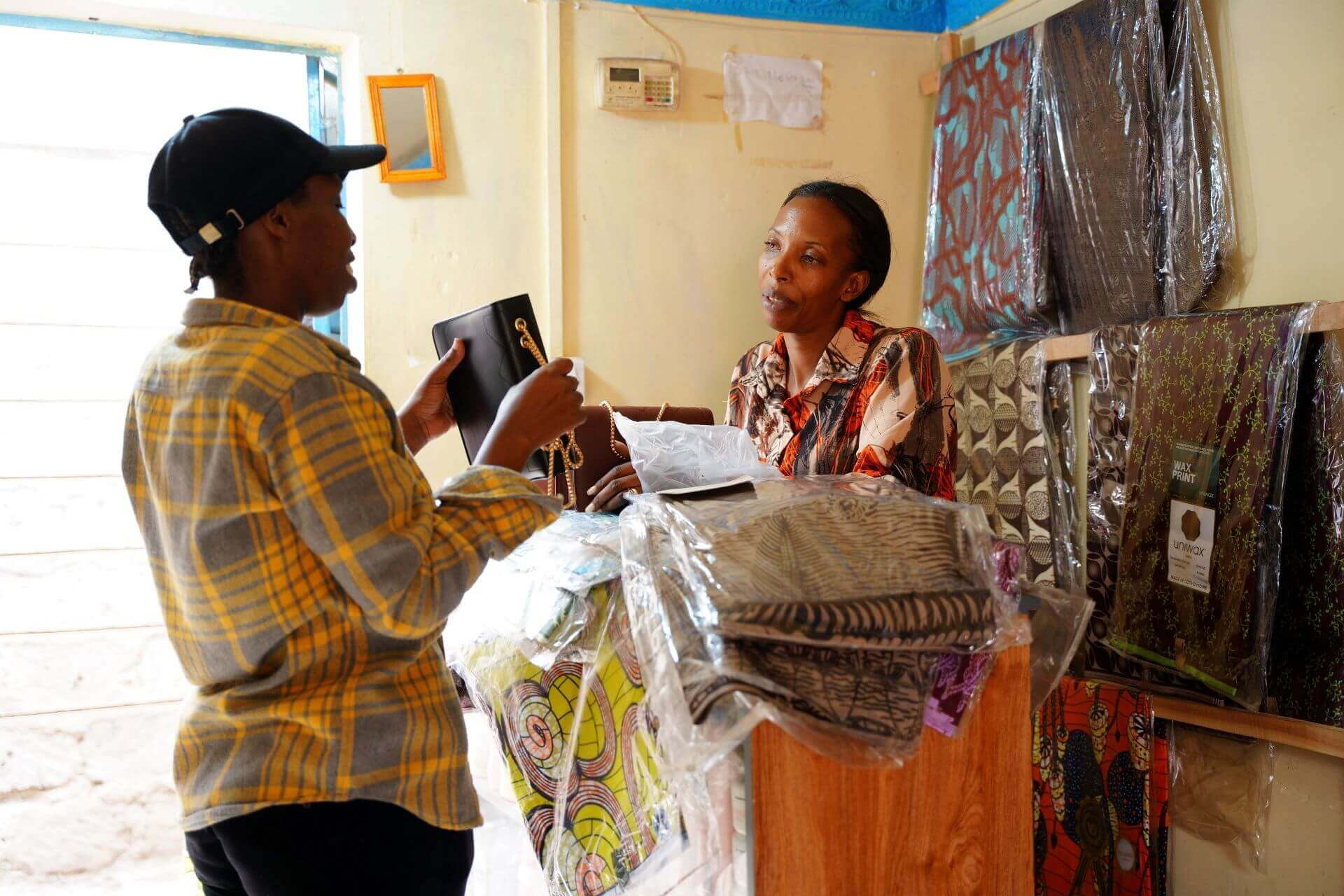
Re:BUiLD (Refugees in East Africa: Boosting Urban Innovations for Livelihoods Development) is working to advance economic self-reliance and inclusive livelihoods for urban refugees and vulnerable host communities.
Funded by the IKEA Foundation and led by the International Rescue Committee (IRC), Re:BUiLD is being implemented in Kampala, Uganda, and Nairobi, Kenya and Assosa, Ethiopia. The program brings together local and international partners, government institutions, private-sector actors and community organisations to advance inclusive economic opportunities for refugees and vulnerable host communities.
Core Principles
Flexible & Adaptive | Continuous Experimentation | Client-Centered | Local Partnerships
Who We Are
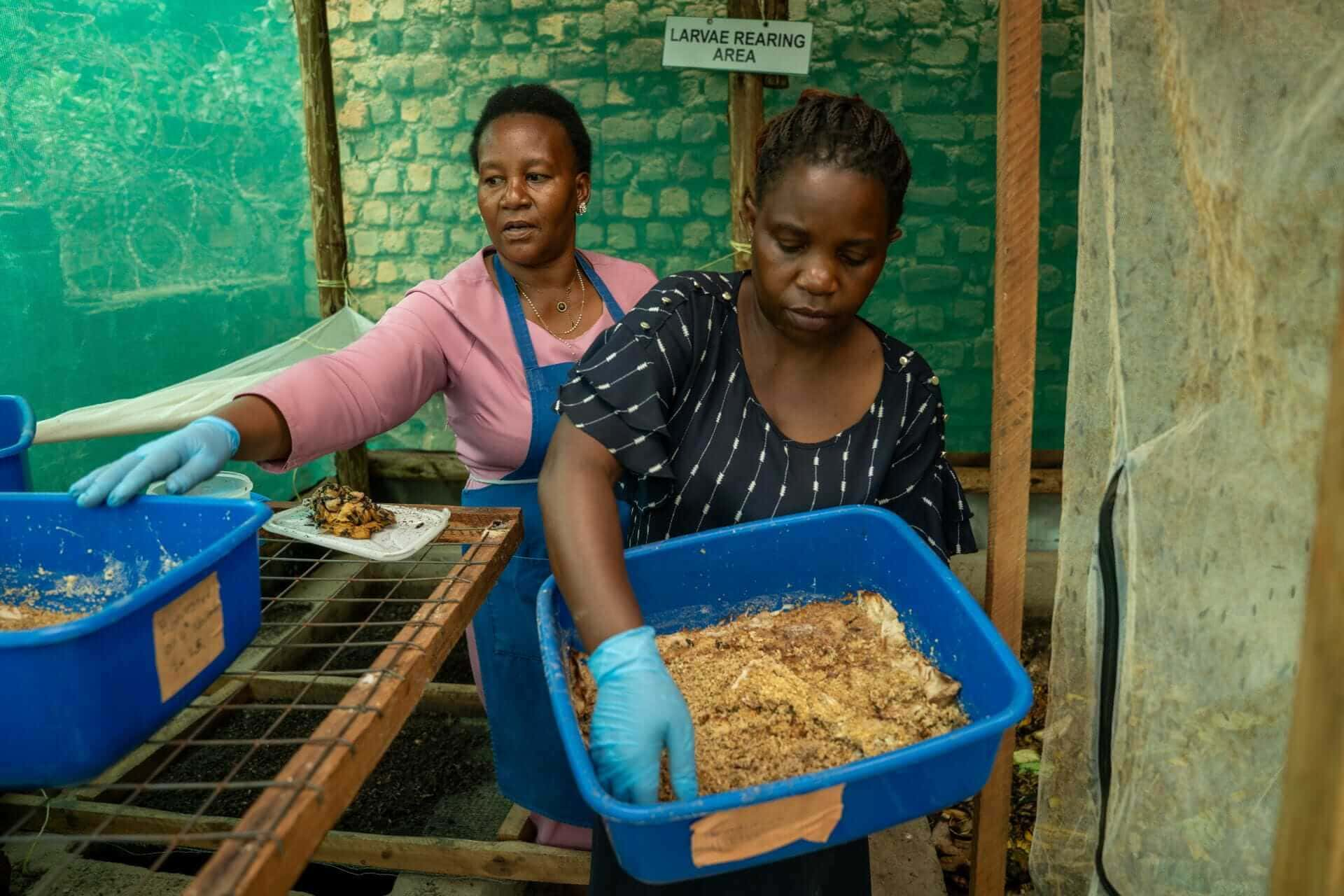
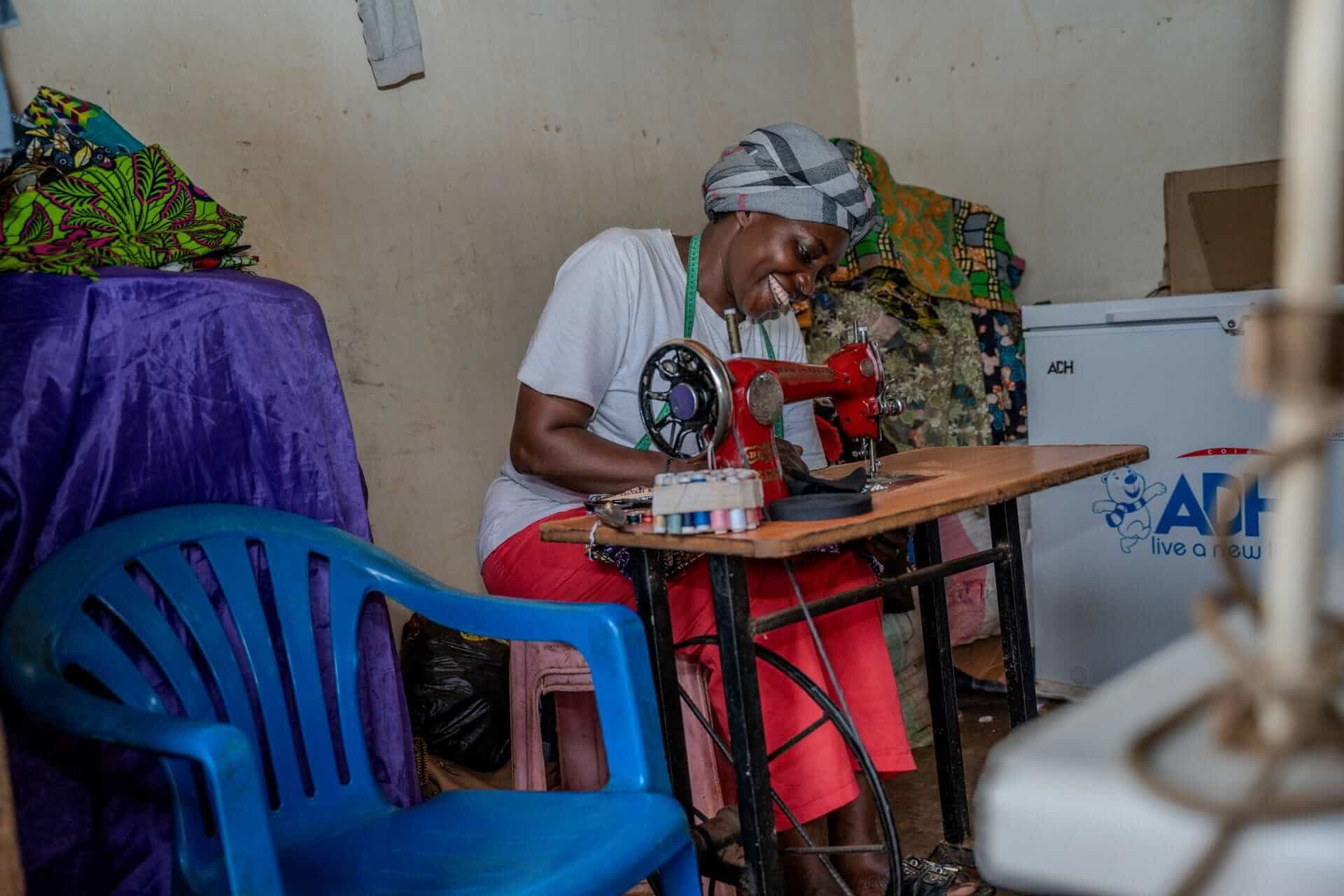
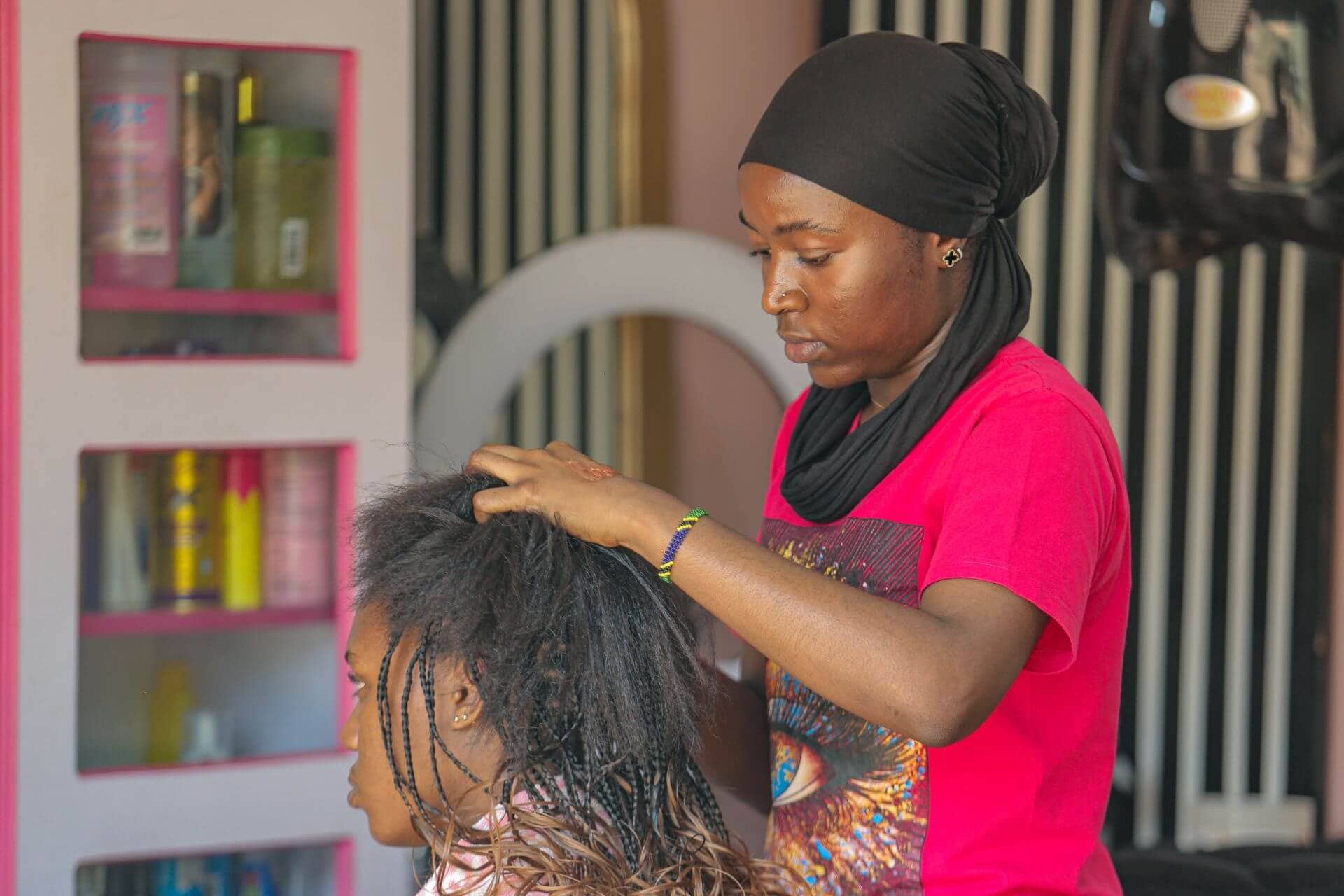
Re:BUiLD is combining client-centred livelihood support, evidence generation, partnerships and policy engagement to strengthen access to economic opportunities and promote more inclusive urban systems.
During its initial five years, Re:BUiLD supported more than 21,395 clients in Kampala and Nairobi and generated evidence on approaches to livelihoods, financial inclusion, employment and economic self-reliance. The program also worked with city and national stakeholders to strengthen refugee-inclusive policies, services and systems.
Building on this experience and evidence, Re:BUiLD is extending its work from 2026 to 2027, with a focus on scaling approaches that have demonstrated potential, strengthening refugee-inclusive policies and services, expanding financial inclusion, supporting enterprise growth, deepening partnerships and generating evidence to inform future programming and policy.
The extension builds on these foundations, with continued engagement in Kenya and Uganda and targeted expansion of financial inclusion activities to Assosa, Ethiopia.
The Challenge
With over 120 million people displaced globally—many of whom seek safety and opportunities in cities—urban refugees continue to face significant barriers to sustainable livelihoods and self-reliance. Despite cities being centers of economic potential, refugees and vulnerable residents remained excluded from meaningful opportunities. Support programs are underfunded and lack evidence on what works.
To address this gap, the Re:BUiLD program, is generating rigorous evidence and scaling innovative livelihood solutions that will benefit both refugees and vulnerable host communities, with focus on strengthening access to services and finance, and generating evidence that can inform more inclusive policies and systems.
Building on What Works
Re:BUiLD is building on five years of implementation, evidence and learning to extend approaches that have demonstrated potential to improve economic inclusion and self-reliance. The 2026–2027 extension focuses on four interconnected areas:
-
Strengthening Influence and Adoption
Supporting the implementation of refugee-inclusive policies, strategies and services in cities and at national level.
-
Expanding Financial Inclusion
Building on experience with financial institutions and guarantee-based financing to expand access to formal financial services and safe capital for refugees and vulnerable host communities.
-
Supporting Enterprise Growth
Through initiatives such as the Enterprise Growth Fund, supporting promising entrepreneurs to access capital, strengthen their businesses and create employment opportunities.
-
Generating Evidence and Learning
Continuing to measure results, document learning and share evidence to inform policy, practice and future investment.
According to data from UNHCR, Eastern and Southern Africa host approximately 6.4 million refugees - many of whom in urban areas
In these urban settings, refugees and vulnerable community members have historically faced limited opportunities to earn adequate income to support their families and enrich their communities.
In response, the program is focusing on supporting thriving economies and cohesive communities in a selection of low-income neighborhoods in Kampala, Nairobi and Ethiopia.
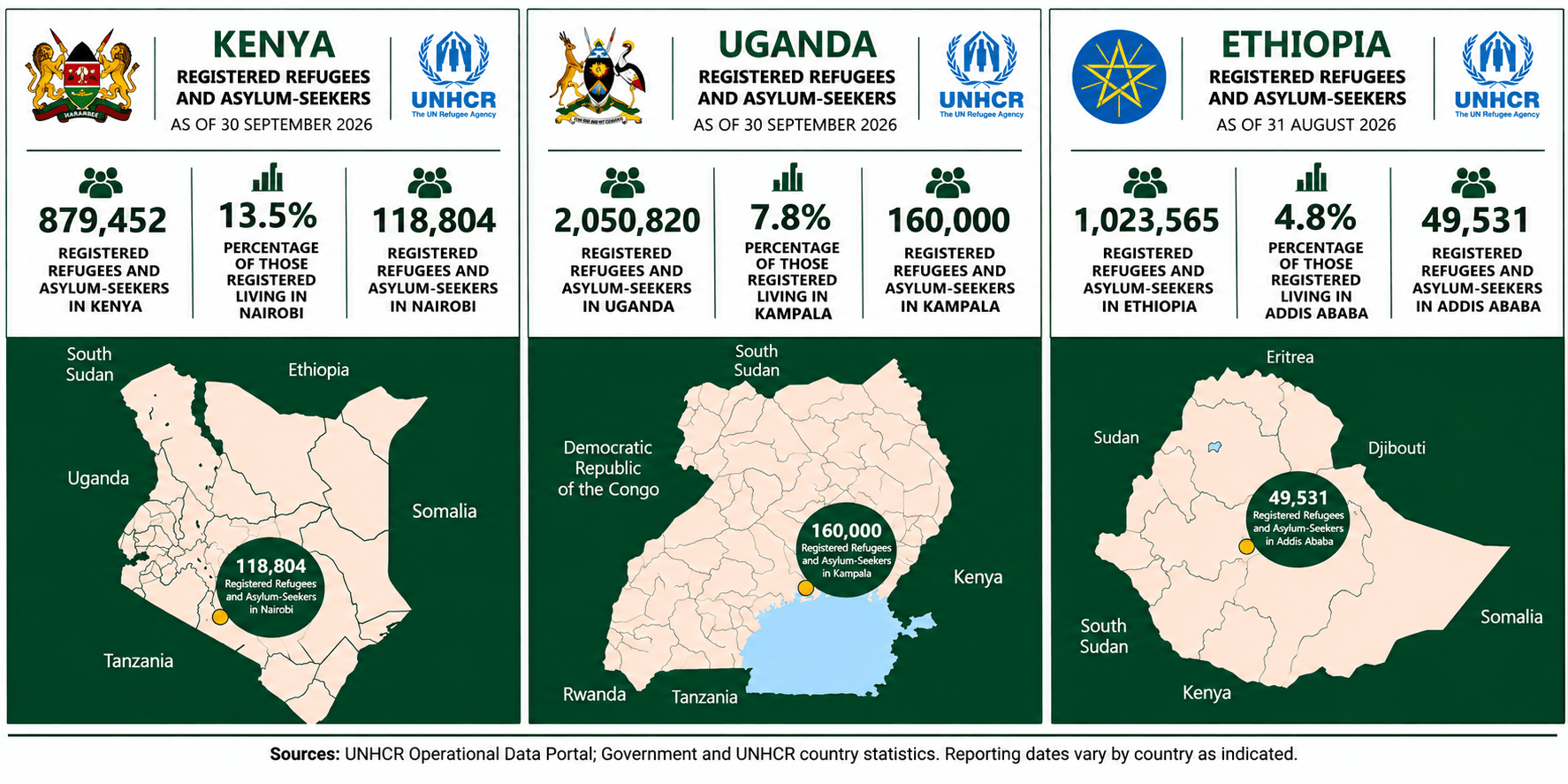
Data cited from UNHCR
Client Reach Update
Re:BUiLD has served more than 21,395 urban refugees and vulnerable host community members — including women, men, and youth, achieving 107% of our goal.