World Environment Day 2026 Highlights Refugees' Role in Climate Action
World Environment Day 2026 Highlights Refugees' Role in Climate Action
World Environment Day 2026 Highlights Refugees' Role in Climate Action
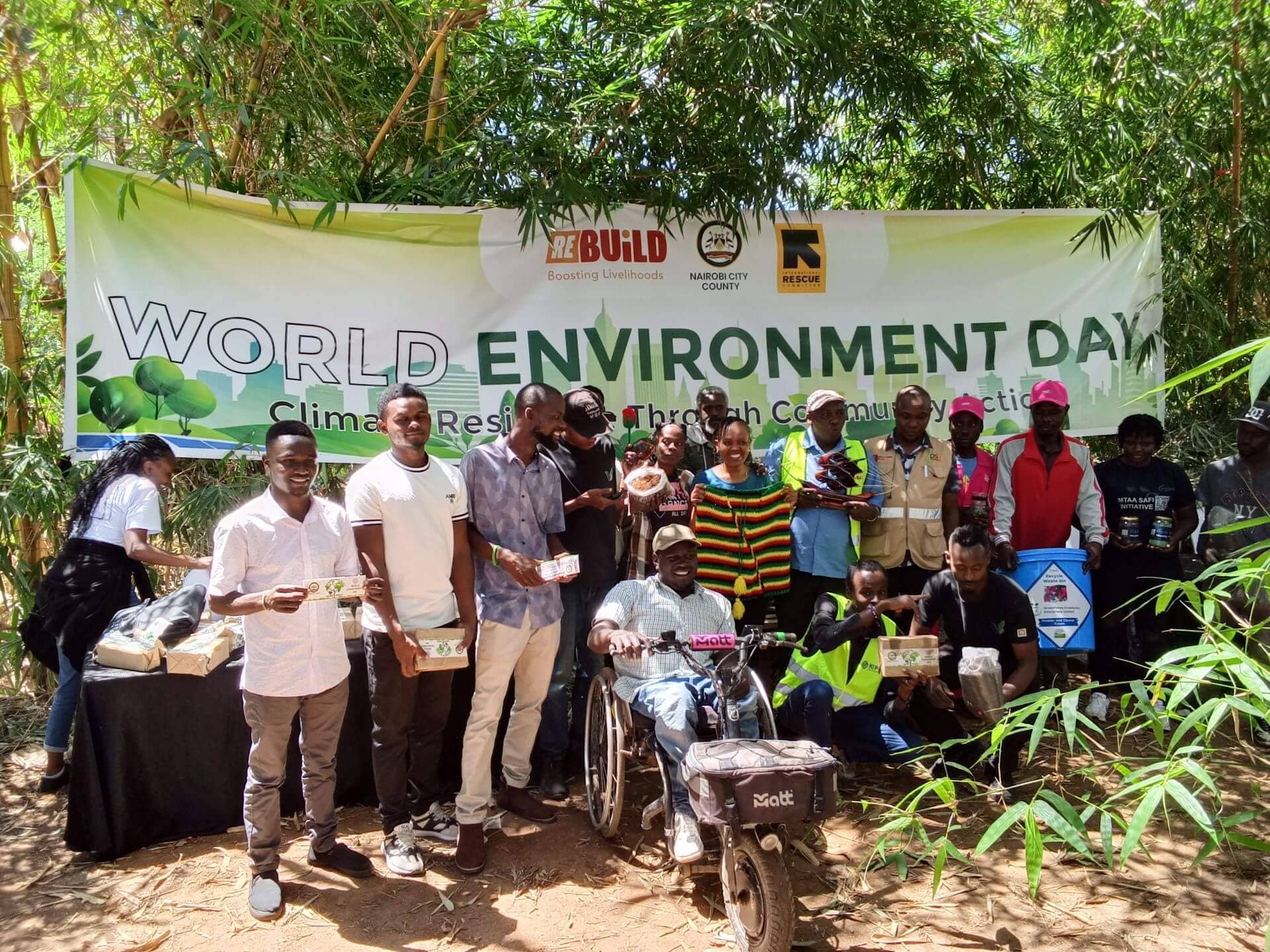
World Environment Day participants posing for a photo
Climate change is one of the defining challenges of our time, affecting cities, livelihoods, public health, and vulnerable communities around the world. As urban populations continue to grow, building resilient cities requires collective action that brings together governments, communities, civil society, and development partners. This year's World Environment Day celebrations in Nairobi demonstrated exactly that.
On 5 June 2026, the Nairobi City County Government (NCCG), together with the International Rescue Committee (IRC) through the Re:BUiLD program, the National Environment Management Authority (NEMA), Kenya Extended Producer Responsibility Organization (KEPRO), faith-based organizations, refugee-led organizations, youth groups, and community organizations joined the global community in commemorating World Environment Day 2026 under the theme "Global Call for Climate Action."
Rather than viewing environmental sustainability as the responsibility of a single institution, the day's activities demonstrated how partnerships can mobilize communities around practical climate action while ensuring refugees and host communities participate as equal contributors.
Climate Action Across the City
The celebrations began with an official flag-off at City Hall, where county leaders reaffirmed Nairobi's commitment to building a cleaner, greener, and more climate-resilient city.
Participants then embarked on a climate awareness walk through Nairobi's central business district before transitioning to an electric-bus roadshow along the Thika Road corridor. The roadshow engaged residents, businesses, and local institutions in conversations about responsible waste management, sustainable mobility, and environmental stewardship.
The program also included the launch of waste sorting bins to encourage waste segregation at source and a tree-planting exercise that contributed to urban greening and carbon sequestration.
These activities reflected Nairobi County's broader commitment to promoting circular economy principles and protecting urban ecosystems through practical community action.
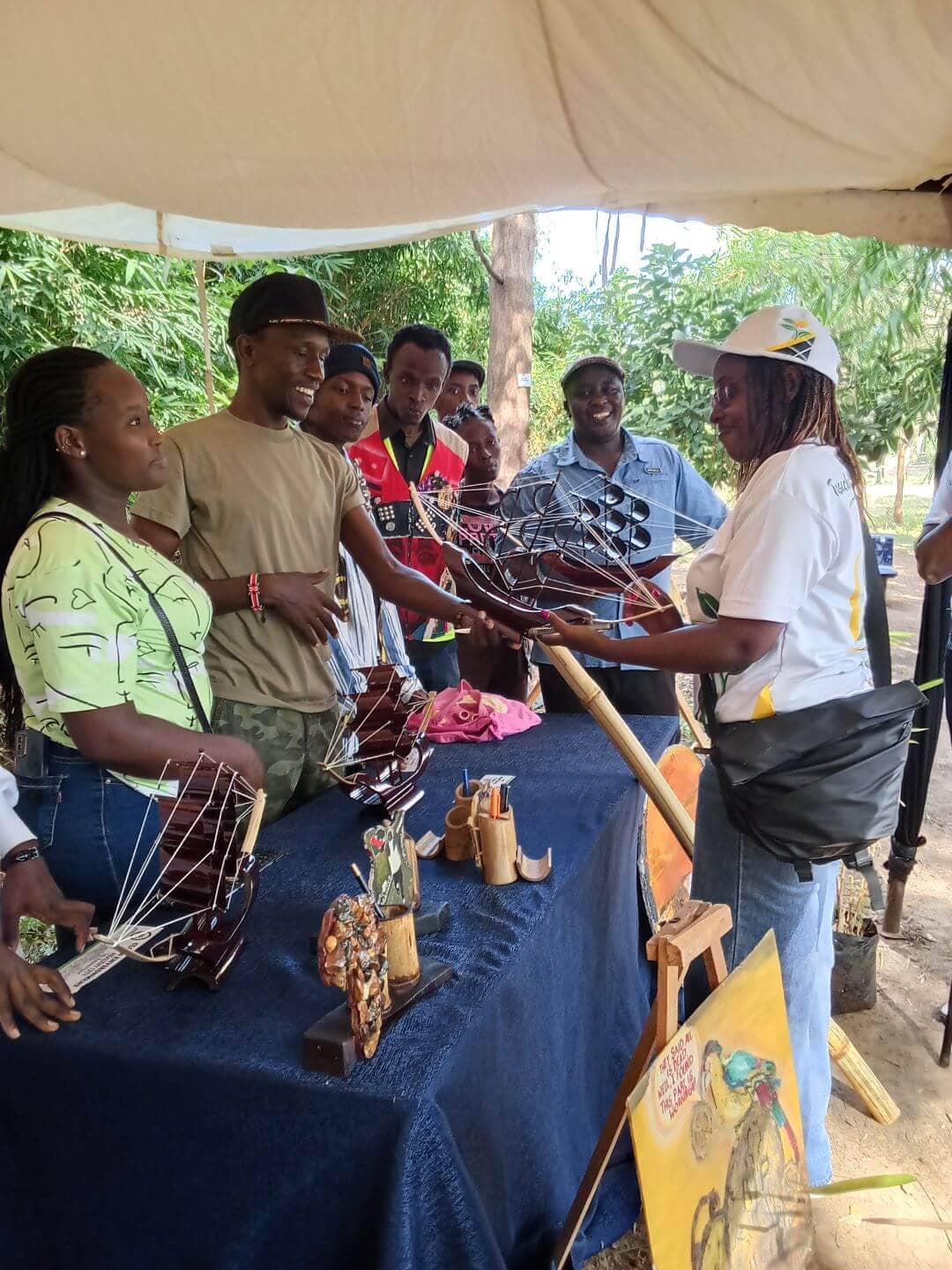
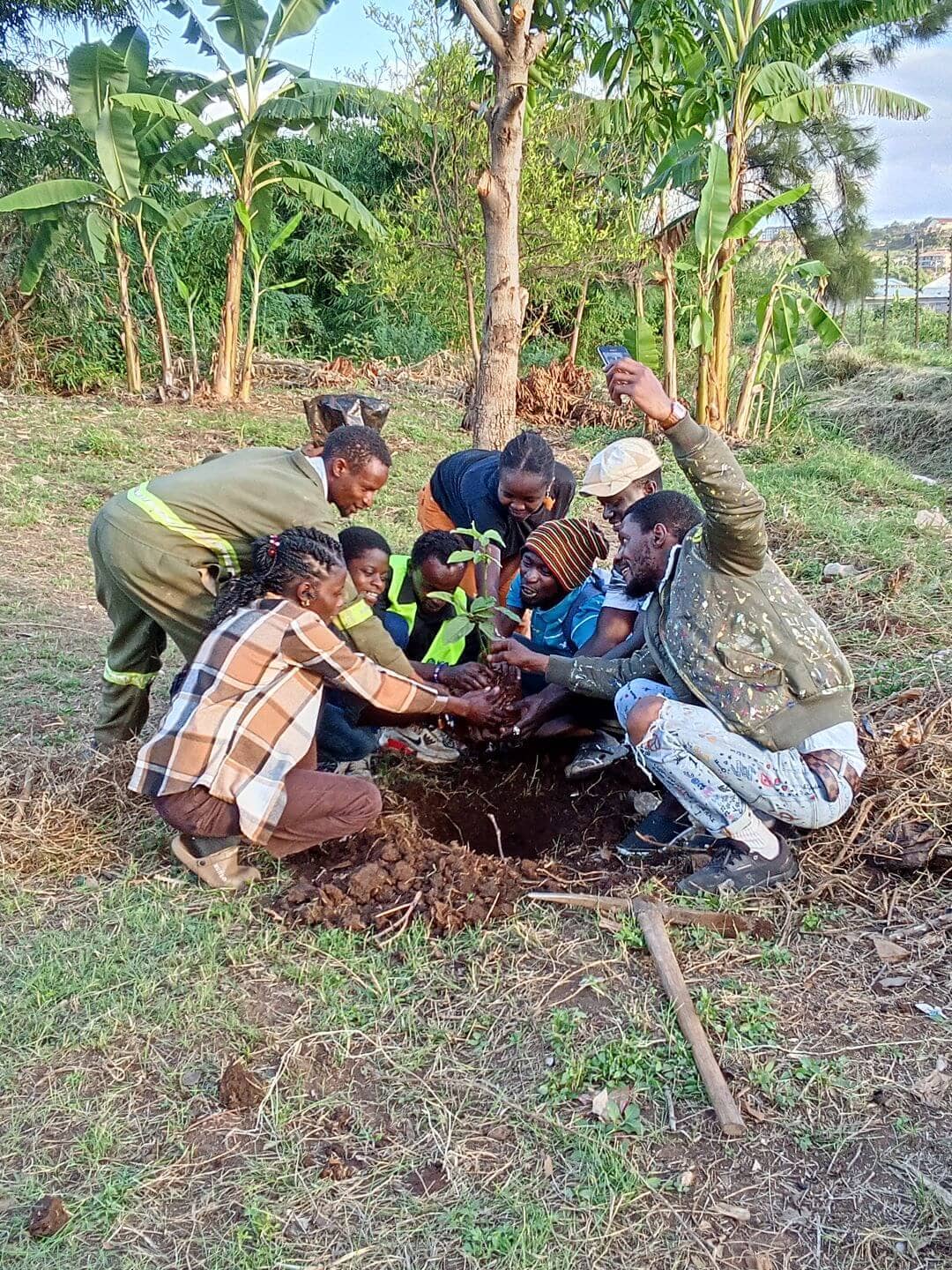
Left: 5 June 2026, Nairobi. Youth groups display products at World Environment Day event in Gatharaini, Githurai 45.Photo by NCCG. Right: 5 June 2026, Nairobi. World Environment Day participants plant a tree to support carbon capture and urban greening at Gatharaini, Githurai 45. Photo by NCCG.
Refugees as Partners in Climate Resilience
The highlight of the day was the public exhibition held at the Small Axe Riparian Area in Kasarani, where community organizations showcased innovative approaches to environmental conservation and sustainable urban living.
Through the Re:BUiLD program, IRC created a platform for refugee-led organizations (RLOs), community-based organizations (CBOs), youth groups, and environmental champions to demonstrate locally developed solutions that address urban environmental challenges. Interactive exhibitions promoted recycling, sustainable waste management, protection of riparian ecosystems, and community-led conservation initiatives.
Importantly, the event challenged the perception that refugees are only recipients of humanitarian assistance.
Instead, it highlighted refugees as active participants in environmental stewardship, contributing knowledge, innovation, and leadership to efforts aimed at building more resilient urban communities.
This message closely aligns with Re:BUiLD's broader objective of strengthening self-reliance while creating opportunities for refugees and host communities to contribute meaningfully to local development.
Building Stronger Partnerships
The exhibition became more than an awareness campaign. It served as a platform for dialogue, learning, and exchange between institutions and communities, demonstrating how environmental sustainability can strengthen social cohesion while creating opportunities for local leadership.
Climate Action and Inclusive Urban Development
For Re:BUiLD, climate resilience is closely connected to refugee inclusion. Urban resilience cannot be achieved if any section of society is excluded from planning, decision-making, or implementation. Refugees possess skills, experiences, and ideas that can strengthen local responses to environmental challenges while supporting more inclusive economic development.
By investing in community-led initiatives and strengthening collaboration between county government, refugee-led organizations, youth groups, and environmental partners, Re:BUiLD continues supporting cities that are both environmentally sustainable and socially inclusive.