Refugees Helping Shape Nairobi’s Plans
Refugees Helping Shape Nairobi’s Plans
Refugees Helping Shape Nairobi’s Plans
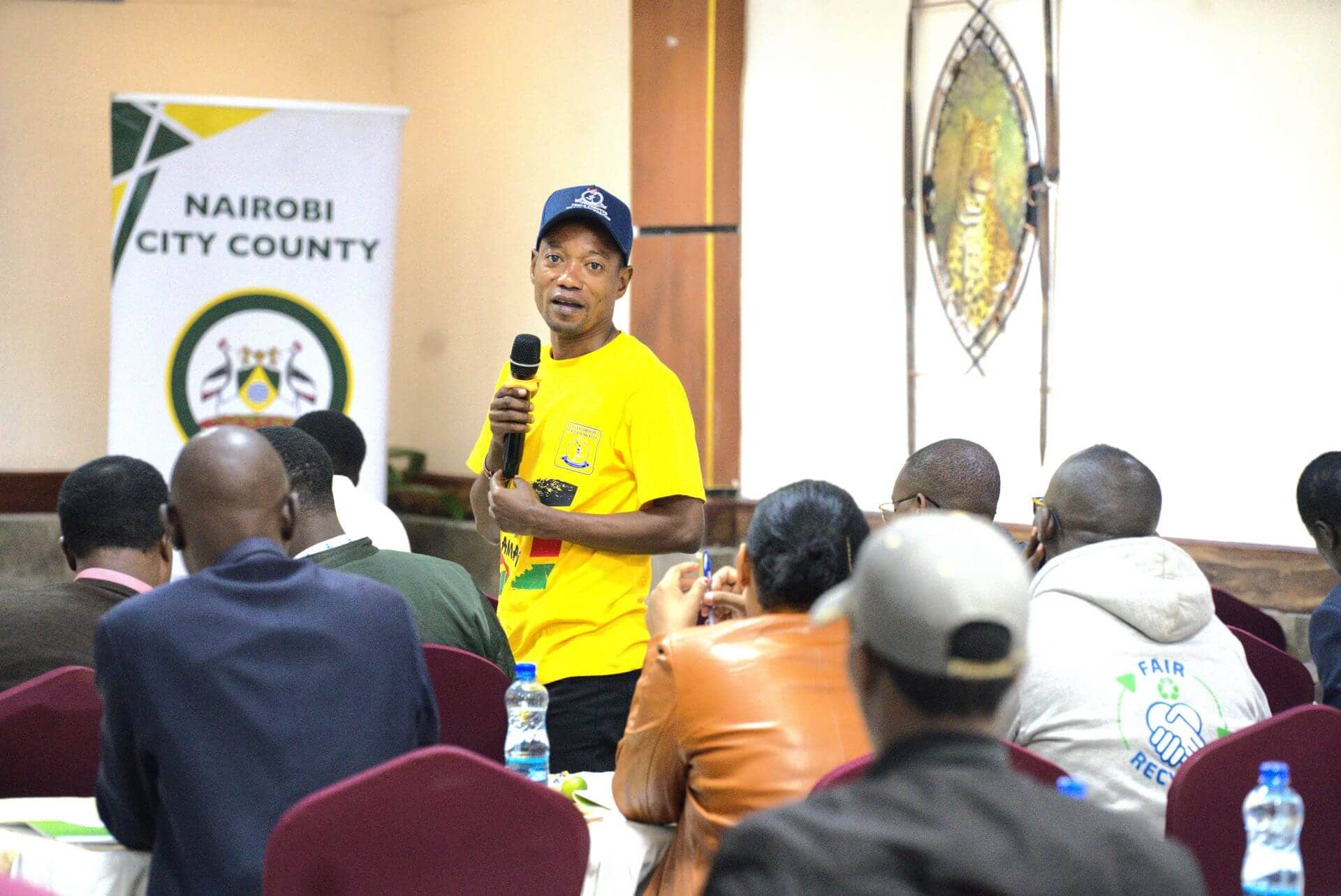
12 May 2026, Nairobi. Msafiri Francois, RLO Leader at Msafiri Foundation, discusses refugee inclusion and integration during the workshop. Photo: Nancy Mwangi for the IRC.
Across Kenya, refugee inclusion is increasingly becoming a shared responsibility involving government institutions, development partners, civil society organizations, and communities. Equally important is ensuring that refugees themselves participate meaningfully in the decisions that affect their lives.
Recognizing the important role played by Refugee-Led Organizations (RLOs), Nairobi City County Government (NCCG), in partnership with the International Rescue Committee (IRC), through the Re:BUiLD program, convened a sensitization workshop to strengthen understanding of the Nairobi City County Refugee Integration Strategy (NCRIS) and support refugee organizations as active partners in its implementation.
The workshop brought together representatives from refugee-led organizations to explore the objectives of NCRIS, understand their role within Nairobi's refugee inclusion agenda, and strengthen collaboration with county government and development partners.
NCRIS represents Nairobi County's commitment to promoting refugee inclusion through coordinated planning, inclusive public services, and stronger collaboration between government institutions and communities.
The strategy recognizes refugees as part of Nairobi's urban population and seeks to ensure they can access opportunities while contributing to the city's social and economic development.
During the workshop, participants explored the objectives of NCRIS and discussed how refugee-led organizations can support implementation at community level.
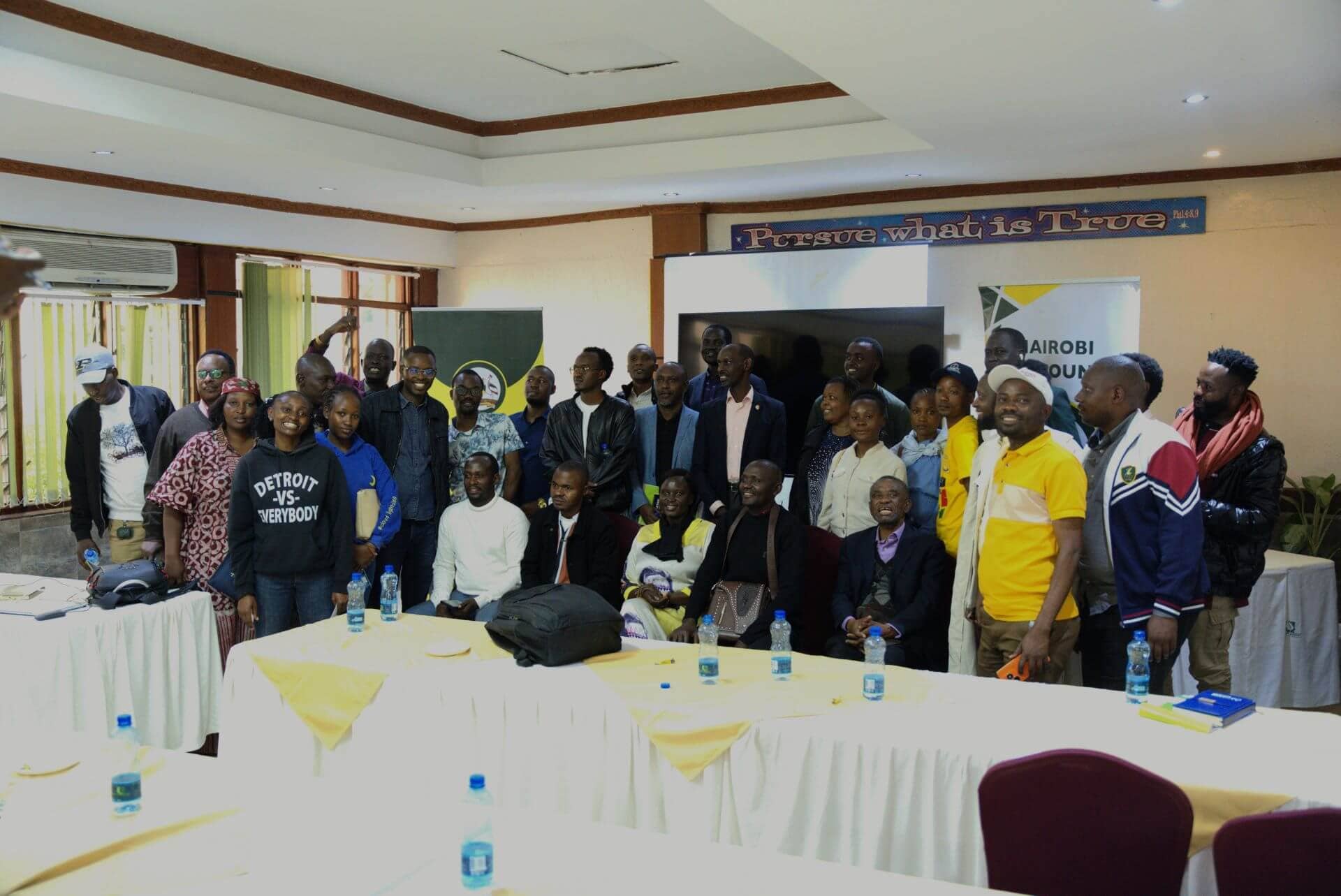
12 May 2026, Nairobi. RLOs at the workshop in a group photo. Photo by: Nancy Mwangi for the IRC.
A central theme throughout the sensitization was the importance of refugee leadership. Participants discussed how refugee-led organizations possess valuable knowledge of their communities and therefore play an essential role in identifying needs, supporting outreach, facilitating communication, and strengthening trust between communities and public institutions.
Msafiri Francois of Msafiri Foundation stresses involving refugee organizations since Nairobi hosts most urban refugees in Kenya. These groups know refugee needs and can make the strategy work in trade, health, education, protection, and services.
“For true refugee inclusion, RLOs must help implement the strategy. Nairobi hosts 80% of urban refugees, so their role in shaping supportive rules is vital,” says Francois.
The workshop highlighted the crucial but often ignored role refugee-led organizations play in their communities. These groups are deeply connected, sharing accurate information, linking people to services, building trust, and helping governments grasp community needs. Their role is vital for inclusive support systems.
“RLOs work with refugees and host communities. They have the capacity to understand how refugees and hosts can live together.” Msafiri Francois, Msafiri Foundation
“RLOs work directly with refugees and hosts, understanding how they can live peacefully,” Msafiri said, stressing their lived experience and cultural insight as key for social cohesion.
By actively participating in implementation, RLOs can help ensure that policies respond to the realities experienced by refugees while strengthening accountability and community ownership.
The IRC’s Re:BUiLD program supports refugee-led groups to ensure refugees have a voice in decisions affecting them, empowering them to lead and shape policies.
As Nairobi continues implementing its refugee integration strategy, refugee-led organizations will remain essential partners in community engagement, awareness creation, service referrals, advocacy, and promoting peaceful coexistence.