From 2021 to 2025, Re:BUiLD implemented a series of national-level engagements in Uganda and Kenya aimed at driving systemic change. These initiatives were strategically designed to influence policy, strengthen local systems, and promote inclusive practices aligned with the program’s bold influencing agenda.
National-Level Engagements in Uganda
Launch of the KCCA strategic plan on refugee inclusion
The Kampala Capital City Authority (KCCA), officially launched its Five-Year Strategic Plan (FY2025/26–FY2029/30), valued at UGX 11.9 trillion (€ 2,811,446,400). The plan, themed “Revitalizing Kampala into a Functional City.” The plan outlines a bold vision to transform Kampala into an inclusive, resilient, and well-planned capital through multi-sectoral collaboration and innovation.
On September 30, 2025, the Re:BUiLD Program participated in the launch and was actively involved in the strategy design process, contributing insights and evidence from its work with urban communities. The engagement highlighted Re:BUiLD’s continued collaboration with KCCA in promoting livelihood resilience, inclusive urban development, and sustainable service delivery for both refugees and host communities. Importantly, the strategy integrates refugee inclusion as a core principle, ensuring that urban systems and services are responsive to the needs of displaced populations. The event also reaffirmed joint commitments to strengthening climate adaptation, governance, and economic empowerment within Kampala’s urban landscape.
Private Sector Engagement
On 24th September 2025, Re:BUiLD hosted a Private Sector Engagement at Fairway Hotel, Kampala, bringing together 33 stakeholders including MoGLSD, UGAFORD, OPM, Opportunity Bank, RLOs, FICA Seeds, refugee entrepreneurs, Fine Spinners, Federation of Small and Medium Enterprises (FSME) and refugee leaders. The event highlighted refugee economic resilience and promoted inclusive hiring and entrepreneurship. Key challenges discussed included tenancy insecurity and access to finance, with recommendations to streamline SACCO registration and sensitize refugee entrepreneurs. Stakeholders committed to collaborative action, recognizing refugee inclusion as both a humanitarian and economic opportunity.
Ministry of Gender Labor and Social Development Engagement on the Jobs and Livelihood response plan
Also on 24th September 2025, Re:BUiLD convened an engagement with the Ministry of Gender, Labour and Social Development (MOGLSD) at Fairway Hotel, Kampala. The meeting focused on disseminating the Jobs and Livelihoods Response Plan (JLRP), reviewing progress, and strengthening coordination. Key discussions included inclusive engagement, private sector partnerships, and mapping refugee contributions. Stakeholders committed to collaborative action to inform the next JLRP (2025–2030) and promote resilience in refugee-hosting communities.
Empowerment and Shift in Advocacy Approach
The Community Process Facilitators (CPF) approach has significantly shifted from traditional representation to participatory advocacy. Through this approach, refugee communities have been empowered to advocate for themselves on matters affecting them as individuals or as a community. The CPFs have been equipped with knowledge and skills in various aspects such as good governance, conflict management and resolution, case management, refugee legal frameworks, Uganda’s domestic laws, etc. This capacity building has boosted their confidence when engaging with duty bearers and communities.
In Kisazi cell, Makindye Division, CPFs have played a critical role in enhancing refugee participation in local decision-making processes, ensuring their voices are meaningfully included. One key issue identified was the lack of a structured platform for Local Council I (LC1) leaders to engage directly with community members. The CPF-led approach helped bridge this gap by establishing linkages between LC1 leaders and CPFs, creating a channel for regular dialogue and joint identification of community priorities.
Strengthening Refugee Economic Inclusion Through Strategic Partnerships: Re:BUiLD and KACITA Engagement
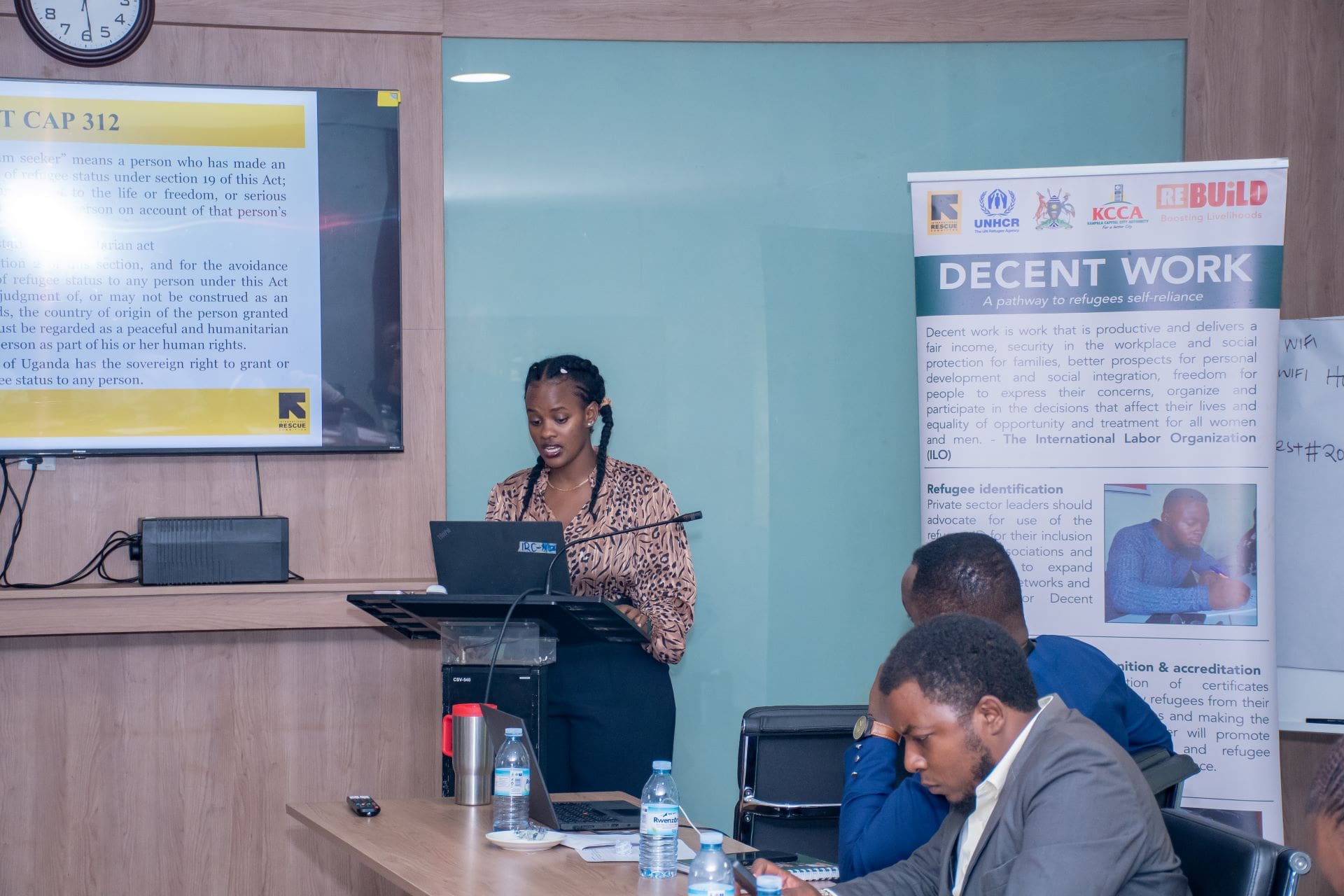
On February 6, 2025, Re:BUiLD, in collaboration with community advocacy partner PLAVU, initiated a critical dialogue with Kampala City Traders Association (KACITA) to explore opportunities for inclusive economic engagement. The engagement aimed to dispel myths surrounding urban refugees, particularly the perception that they are displacing locals in business spaces, and to promote shared economic opportunities within the city.
Following this dialogue, KACITA requested a capacity-building to better understand Uganda’s refugee legal frameworks. This request materialized on February 6, 2025, when Re:BUiLD, supported by the Office of the Prime Minister (OPM), facilitated a training workshop for KACITA’s board members and sector leaders. Re:BUiLD generated a learning brief that highlights the interventions and collaborations between the Re:BUiLD program and the KCCA to champion change that promotes dignified livelihoods for urban refugee and their access to city services.
Launch of the Refugee Reference Handbook in October, 2023
The launch of the Refugee Reference Handbook represents a significant step in equipping policymakers, employers, and service providers with essential knowledge to better support urban refugees. The handbook on refugee access to justice in Uganda, collaboratively developed by the Judiciary, the Office of the Prime Minister, IRC's Re:BUiLD Program, and refugee representatives, serves as a vital advocacy tool to influence legal practices and enhance justice for refugees. It provides practical guidance to navigate the complex legal system, aiming to empower refugees and reshape policies to better protect their rights. This handbook is designed to shape national policies and practices, promoting inclusivity in labor markets and service provision.
Introduction of Urban Refugee Employer Category at the Employer of the Year Awards held 1st March 2024
In partnership with the Federation of Uganda Employers, Re:BUiLD supported the Employer of the Year Awards by introducing a new category for Urban Refugee Employer of the Year, strategically aimed at advocating for and promoting the employment of refugees in urban areas. This initiative serves as a key influencing activity to encourage private sector engagement and drive inclusive hiring practices that support refugee livelihoods. During the event, the Human Resources Director, representing the country director, delivered remarks highlighting the significant opportunities that refugees present for all industrious sectors, emphasizing their potential to contribute meaningfully to the workforce. Spotlighting these employers, Re:BUiLD is driving a sector-wide shift towards inclusive employment practices, which are critical for the economic integration of refugees, reinforcing our commitment to fostering responsive and inclusive labor markets.
Koboko Municipality Learning Visit
The "Inclusive Urban Development and Mobility in Koboko Municipality" project, funded by the EU Trust Fund for Africa and implemented by Koboko Municipal Council (KMC) in partnership with Associazione Centro Aiuti Volontari (ACAV), successfully integrated refugees into urban planning and service delivery through direct funding, capacity building, and inclusive development strategies. The project’s success in fostering social cohesion, enhancing service delivery, and promoting sustainable development sparked interest among KCCA and NCCG officials, prompting a learning exchange visit to explore Koboko's methodologies.
The visit underscored several key lessons that can be applied in Kampala. The success of direct implementation with local government and community-based organizations highlighted the importance of tailored, community-specific interventions, such as urban farming and climate resilience initiatives. Additionally, the strong working relationship and political will between Koboko’s political and technical leadership were crucial for smooth project implementation. The use of shared public platforms for host and refugee engagement fostered social cohesion, while deliberate capacity building and long-term funding were identified as critical factors for sustainable development. These insights emphasize the need for similar strategies in Kampala to enhance the effectiveness and sustainability of urban initiatives.
Engagement with Kampala Capital City Authority (KCCA)
Our ongoing collaboration with Kampala Capital City Authority (KCCA) plays a pivotal role in integrating refugee needs into urban planning and service delivery. Through capacity-sharing initiatives, we have equipped KCCA officials from the five divisions with the knowledge and skills needed to uphold refugee rights and protection. Additionally, we have supported KCCA with in-kind contributions to bolster their ability to provide essential services to all residents, including urban refugees. This engagement not only ensures that refugees are included in economic development strategies but also empowers them with the resources necessary to thrive, contributing to the broader goal of inclusive urban economic growth.
The collaboration between Re:BUiLD and KCCA has evolved significantly over the years. Initially, KCCA received in-kind grants in the form of ICT equipment to equip its Kabagala Youth Center, where urban youths learn videography and photography skills. Re:BUiLD has also supported the City Authority with office supplies to facilitate the registration process for savings groups. Re:BUiLD and KCCA are now implementing a climate-smart livelihoods initiative that equipped participants with skills and resources to engage in environmentally sustainable income-generating activities, promoted social cohesion between the refugees and host communities while strengthening refugee inclusion through advocacy, policy engagement, and routine monitoring.
Advancing Refugee Inclusion Through Multistakeholder Dialogue and Advocacy
Re:BUiLD actively organized and participated in multiple multistakeholder dialogue workshops centered on refugee inclusion, effectively driving collaboration and commitment among key stakeholders to enhance support mechanisms for refugees. A notable engagement was at the 3rd Annual Labour and Employment Conference, where Re:BUiLD contributed to a panel discussion on the challenges refugees face in accessing employment and the role of human resource managers in promoting the integration of a qualified refugee workforce. This event, hosted by the Human Rights Managers' Association, Uganda Christian Lawyers' Fraternity, and Signum Advocates, served as a significant platform for advocacy and influencing policy to foster greater refugee inclusion in the labor market.
National-Level Engagements in Kenya
Refugee – Host Community Trade Fair
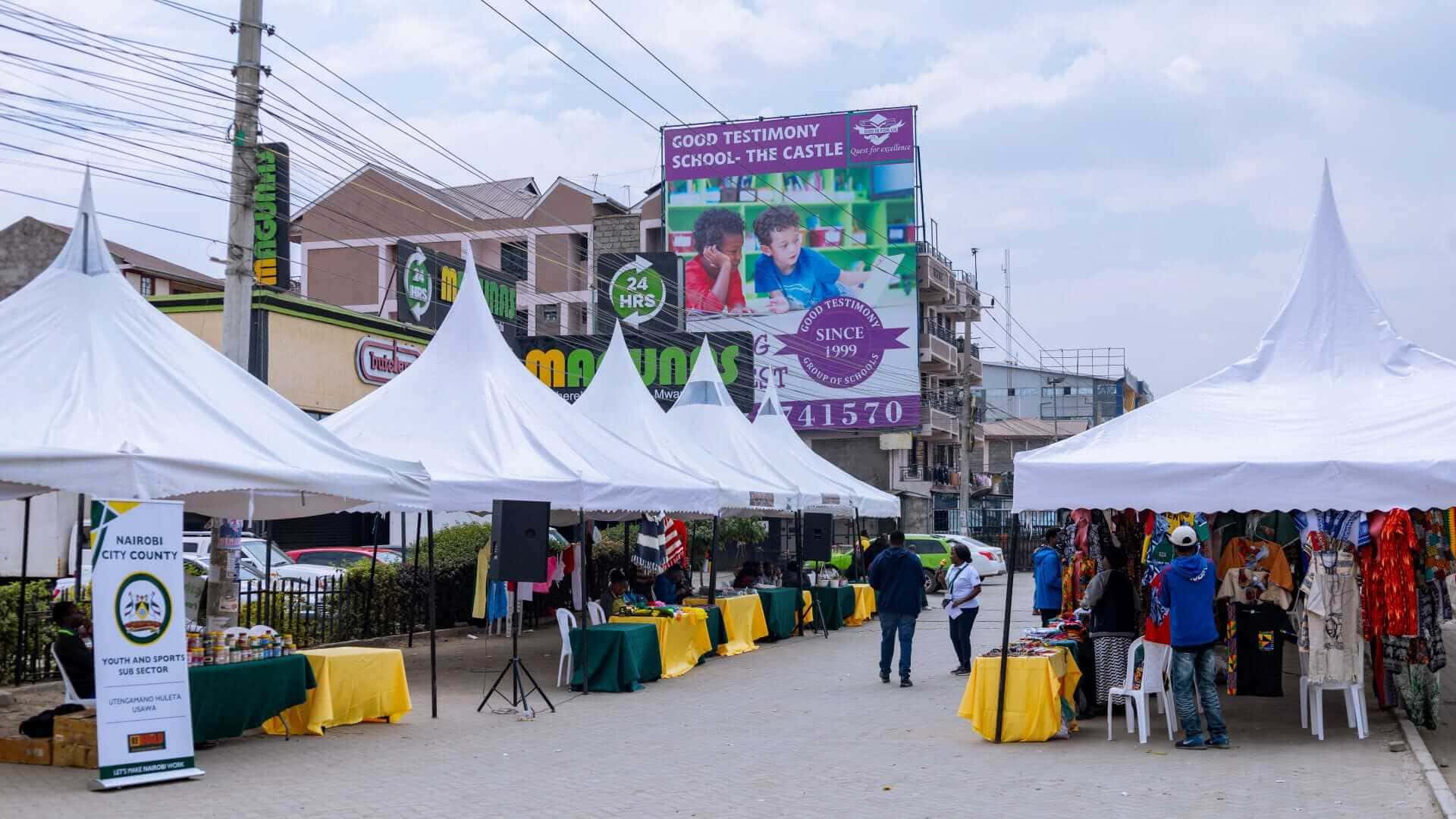
From 13th to 14th August 2025, Re:BUiLD, in collaboration with the Nairobi City County Government Department of Youth Affairs, convened vibrant refugee–host community trade fairs in Embakasi East and Kibra. These events brought together entrepreneurs from both refugee and host communities to showcase and sell their products and services, celebrate local creativity, and promote inclusive economic participation. Over 40 businesses participated in Embakasi, with a dynamic mix of exhibitors, shoppers, community leaders, and cultural performers helping to draw crowds and foster a lively atmosphere of collaboration and exchange.
The markets provided valuable platforms for small businesses—particularly women- and youth-led enterprises, to increase visibility and access customers, networks, and support organisations. The fairs were efficiently organised with strong logistical and security support, ensuring seamless registration, vibrant engagement, and a positive experience for attendees. Community members offered feedback on future editions, including suggestions for extended days and increased signage to boost exposure and participation. These trade fairs exemplify Re:BUiLD’s commitment to strengthening urban resilience and creating inclusive economic opportunities by connecting entrepreneurs across diverse communities.
Refugee Documentation SOP Finalization
Re:BUiLD supported the Department of Refugee Services (DRS), in the finalization of the Standard Operating Procedures (SOP) on refugee registration, protection, and documentation and brainstorming on information pack on the refugee documentation access process.
City Refugee Sensitization Manual
Re:BUiLD finalized and shared a Refugee Sensitization Manual with the Nairobi County Government. The manual will be used to guide engagements with county departments to support capacity-building efforts and inform county actors about the rights, needs, and roles of refugees within urban development planning.
Launch of the Nairobi County Refugee Integration Strategy
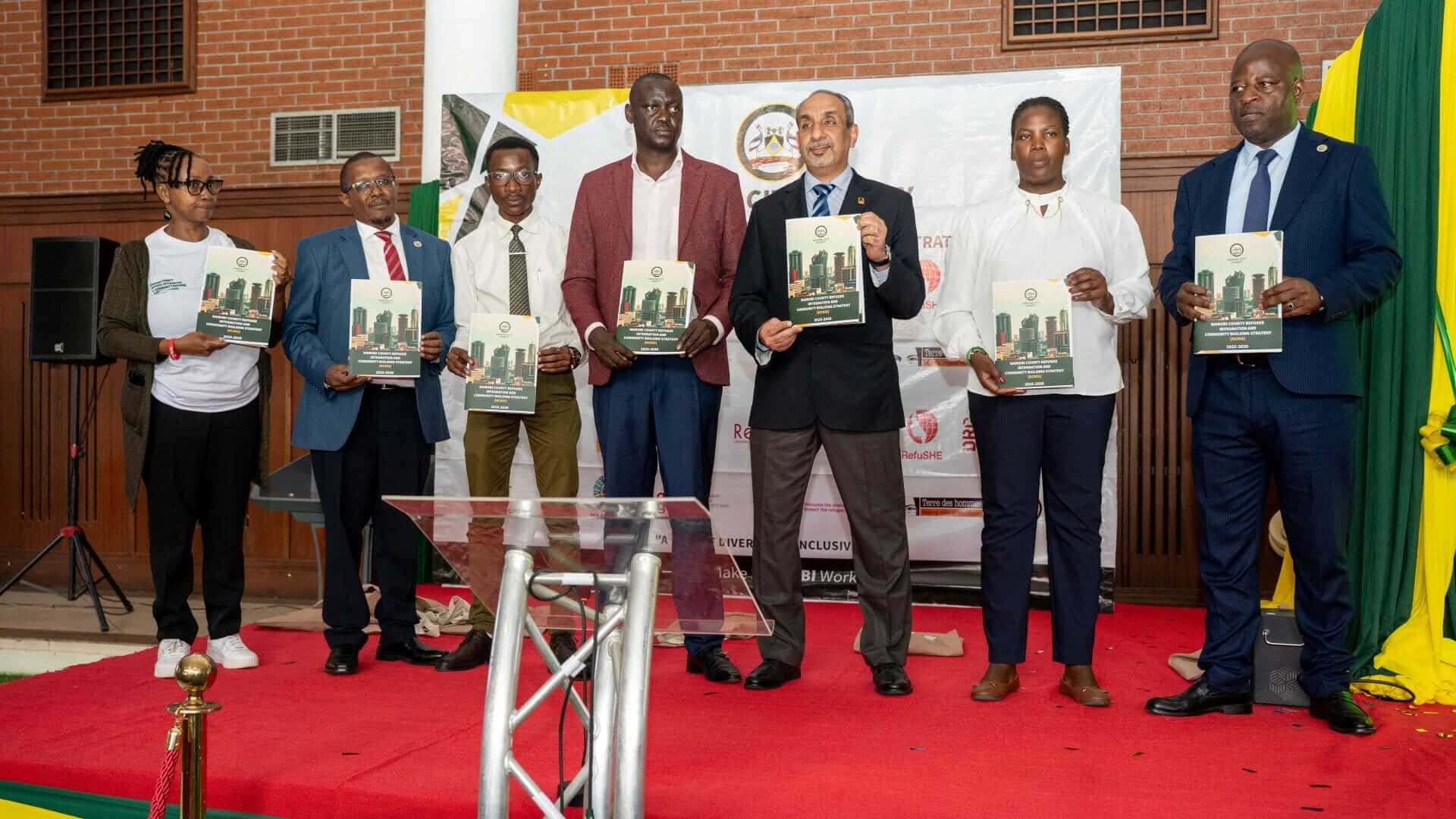
On April 30, 2025, Re:BUiLD participated in the launch of the County Refugee Integration and Community Building Strategy (NCRIS), which aims to harmonize county policies with national commitments, promote economic inclusion, enhance community engagement, and establish governance measures for refugee issues. This strategy aims to integrate refugees into Nairobi's social and economic fabric, fostering a sense of belonging and improving their lives.
Key aspects of the NCRIS:
- Access to Essential Services: The strategy ensures refugees have access to public healthcare, city-run schools, and the ability to obtain business licenses.
- Documentation and Identity: Refugee registration documents are recognized as official proof of identity, simplifying access to various services.
- Economic Empowerment: The strategy focuses on creating pathways to employment and economic opportunities for refugees, enabling them to contribute to the local economy.
- Social Integration: The NCRIS promotes social cohesion and cultural exchange through community events, dialogue forums, and cultural programs, fostering understanding and acceptance between refugees and host communities.
- Collaboration and Support: The strategy emphasizes collaboration between government agencies, civil society organizations, and international bodies like the IRC to ensure effective implementation and support for refugees.
Shirika Plan Launch
On March 28, 2025, Re:BUiLD participated in the deliberation and validation of the Shirika plan and was represented in the launch of the Shirika plan by the IRC Country Director and Senior Advocacy Manager. The launch marked a pivotal moment in Kenya’s ongoing commitment to embedding refugees into national development agendas. The Shirika Plan charts a 12-year, phased journey to transform refugee response from a humanitarian model to a development-led, rights-based approach:
-
Transition Phase (2024–2027): Lays the legal and policy foundation for integrating refugees into national systems, initiating economic plans in Garissa and Turkana, and reimagining camps as municipalities.
-
Stabilization Phase (2028–2031): Expands infrastructure and services—especially in education, healthcare, and employment—to strengthen refugee and host community resilience.
-
Resilience Phase (2032–2035): Anchors sustainable development by embedding refugee inclusion into long-term planning and governance structures.
At its heart, the Shirika Plan envisions a thriving, inclusive ecosystem where refugees and host communities jointly contribute to Kenya’s socio-economic growth. By fostering equitable access to services, livelihoods, and civic participation, the Plan repositions refugees not as aid recipients but as active agents of transformation.
As Re:BUiLD, we are excited to support the rollout of this transformative agenda, particularly its impact on urban refugee inclusion, and hope for inclusive development and rollout of an implementation plan.
Re:BUiLD Joins National Dialogue on Meaningful Refugee Participation in Kenya’s Refugee Response
On March 25, 2025, Re:BUiLD participated in a high-level forum hosted by Refugees Seeking Equal Access at the Table (R-SEAT), focusing on "Utilizing Refugee Participation in the Shirika Plan Development and Kenya's Refugee Response". The interactive workshop, held at Safari Park Hotel in Nairobi, was co-convened by R-SEAT, Oxfam, ReDSS, and LERRN and brought together over 50 cross-sectoral actors including government representatives, UN agencies, NGOs, Refugee-Led Organizations (RLOs), and development partners.
NSSF Haba Haba Launch
On October 30, 2024, National Social Security Fund (NSSF) in collaboration with DRS and other partners including Re:BUiLD successfully launched the Haba Haba Social Protection Program. The initiative provides a voluntary savings plan specifically designed for informal sector workers, including refugees, who often lack access to formal social safety nets. This product is tailored for refugees such as the use of a refugee ID and Emigration benefit which entails receiving total benefit upon permanently relocating from Kenya. To raise awareness and facilitate enrollment in the program, the IRC inititated a sensitization campaign in the Kangemi, Kabiria, and Kawangware areas.
Nairobi City Partners with Re:BUiLD to Enhance Youth Digital Skills
In a collaborative effort to empower the youth, the Re:BUiLD program has provided essential resources to the Nairobi County Youth Department. These contributions, which include computers, desks, and tents, are aimed at equipping both refugees and local youth with basic computer proficiency skills. The initiative will be hosted at the County Youth One-Stop Centre, creating a dedicated space for youth development and engagement.
The primary aim of this initiative ensure sustainability in access to training among the youth by enhancing access to the skills . By providing the tools and environment necessary for community digital training, the program not only enhances employability but also fosters greater social cohesion between refugee and host communities.
The collaboration between Re:BUiLD and NCCG evolved significantly over the five years. Initially, NCCG received in-kind grants in the form of ICT equipment to equip its County Youth One-Stop Centre, where urban youths learn videography and photography skills. The Re:BUiLD program has also supported the County Government to facilitate the registration process for savings groups. Re:BUiLD will build on the impactful partnership which enabled the Nairobi City County Government (NCCG) to develop and launch the 2025 NCRIS, strengthen the one-stop youth centre, and embark on direct service delivery to refugees. With the Government of Kenya’s new Shirika Plan (which outlines pathways for the integration of refugee and host communities) and the NCRIS, NCCG will be supported to clarify its contribution to national goals and to serve as a leader and reference point for other counties hosting refugees in urban areas.
Commemoration of International Days
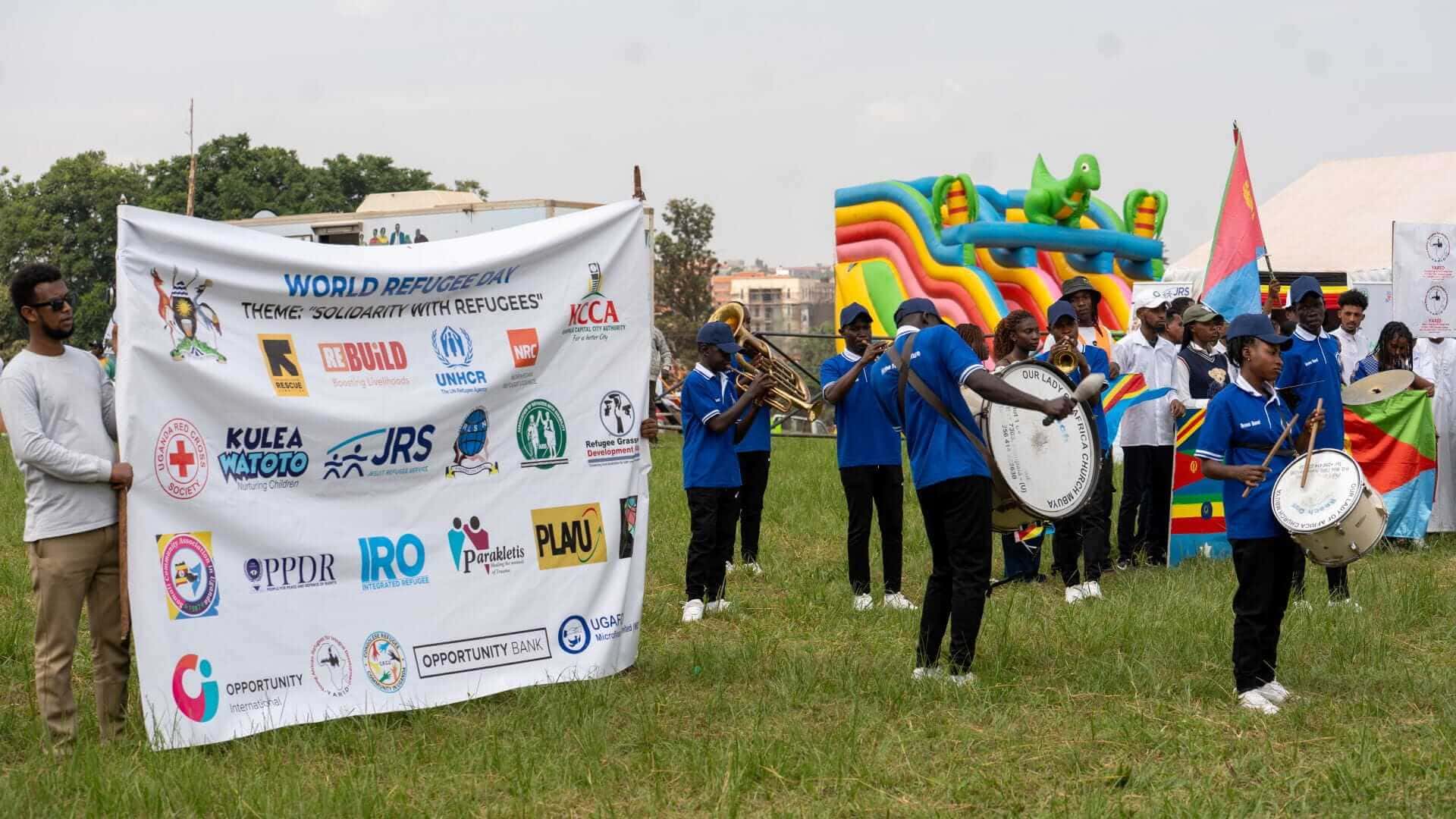
Re:BUiLD actively participates in the commemoration of several key international days, including World Refugee Day, International Women’s Day in Uganda, Labour Day, engaged in the 2nd Annual National Labour Convention and Expo, contributing to the Panel Discussion on Access to Labour Justice and Decent work for refugees.
In commemoration of World Refugee Day, Re:BUiLD Kenya actively participated in discussions focused on refugee integration frameworks during a session co-convened with the Refugee Consortium of Kenya (RCK) and HIAS. This session, aimed at the Kenya Model United Nations, explored key strategies for improving refugee inclusion within the country's frameworks.
As part of our engagement, we showcased our clients' work and disseminated findings from our Access to Decent Work Policy Brief, shedding light on the challenges and solutions regarding refugee-related laws and policies, fostering dialogue for more inclusive labor practices, International Youth Day, the 16 Days of Activism against Gender-Based Violence and International Youth Day – Refugee Marathon. Each of these observances offers a platform to highlight the contributions of urban refugees and advocate for their rights within the broader national context. By engaging in these events, Re:BUiLD raises public awareness and influences national discourse on issues such as labor rights, gender equality, and youth empowerment. These commemorations reinforce the role of civil society in shaping public policy and promoting social cohesion, ensuring that refugee voices are amplified and respected across all sectors of society.