Re:BUiLD RCTs in Uganda and Kenya Reveal What Works for Refugee Entrepreneurs
Re:BUiLD RCTs in Uganda and Kenya Reveal What Works for Refugee Entrepreneurs
Re:BUiLD RCTs in Uganda and Kenya Reveal What Works for Refugee Entrepreneurs
By Edna Kyokunzire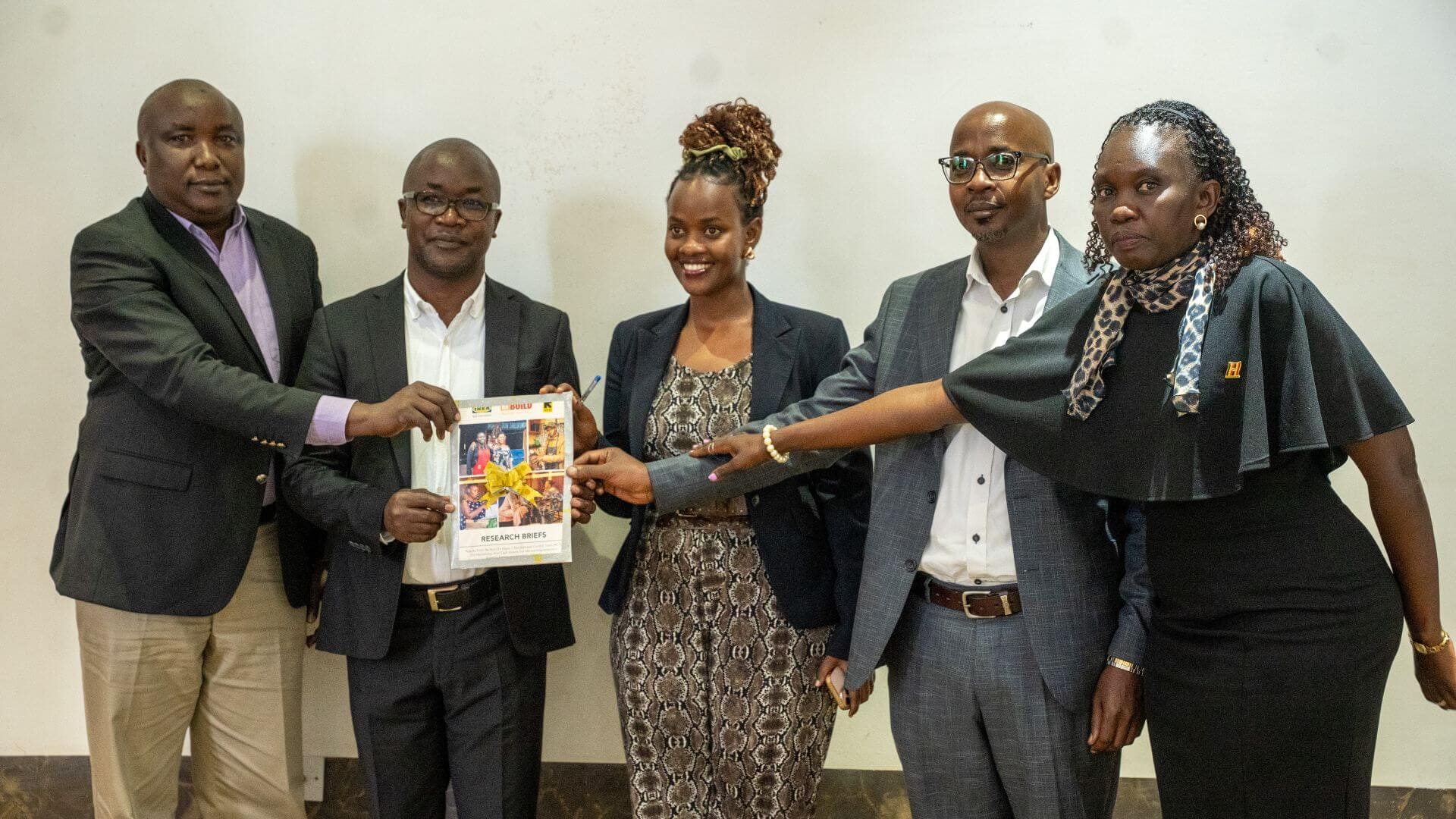
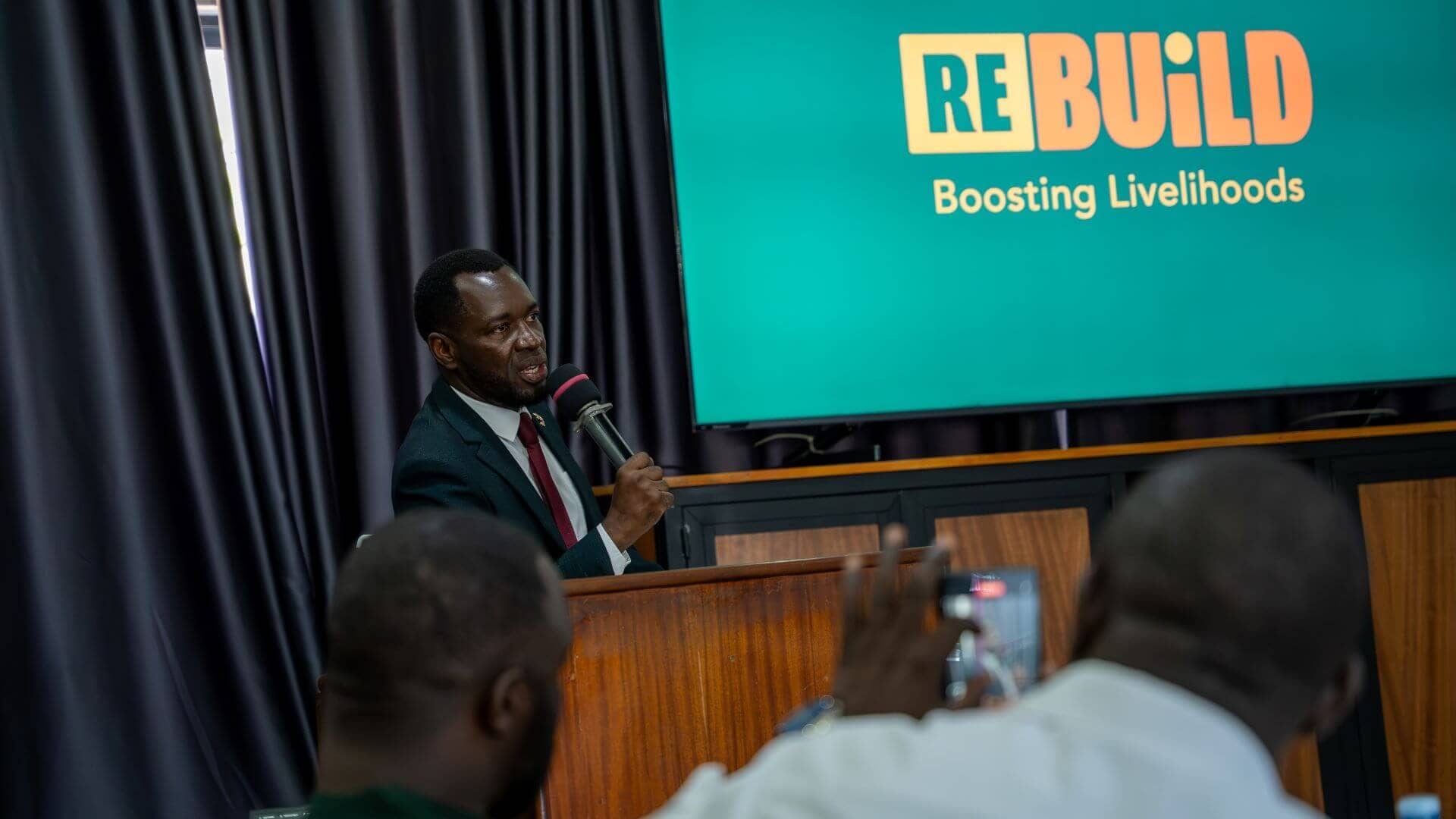
July 8, 2025, Kampala, Uganda. IRC and partners launch Wave 1 RCT results for the Re:BUiLD program, advancing support for urban refugees and host community entrepreneurs in Kampala.(PHOTO: Edgar Otieno for The IRC)
In a groundbreaking Randomized Controlled Trials (RCT) Wave 1, the International Rescue Committee (IRC), through the Re:BUiLD program, in partnership with Economic Policy Research Centre, Center for Global Development, University of Rochester, Georgetown University, Innovations for Poverty Action and the Displaced Livelihoods Initiative and funded by the IKEA Foundation, has revealed powerful insights into what actually drives business growth and economic resilience among refugee and host community entrepreneurs in East Africa.
UGANDA
In Kampala, Uganda, Re:BUiLD studied 2,000 aspiring and 600 experienced entrepreneurs across three divisions: Makindye, Rubaga, and Central over a 24-month period.
The evidence presented confirms that cash (business) grants deliver large, persistent improvements in business performance, household welfare, and psychological well-being. These grants emerged as a highly cost-effective strategy, costing approximately $881 per client to deliver, and were shown to catalyze business formation, with recipients investing directly into entrepreneurial ventures. Importantly, they also enhanced social cohesion and improved policy attitudes toward refugees.
Mentorship, as tested, yielded mixed results. While refugee men experienced modest income gains, women, especially those mentored by other women, realized reduced profits. Overall, the intervention did not significantly expand business networks or improve social cohesion beyond what cash alone achieved.
“The findings confirm that financial support enables refugees and host entrepreneurs to build resilient, thriving businesses. It’s not just economic inclusion, it’s dignity and self-reliance,” said Elijah Okeyo, IRC Uganda Country Director.
The Ugandan study recommends strong donor investment in cash grant programs, tailored support for women, and more strategic design of mentorship initiatives, particularly around gender dynamics.
KENYA
Meanwhile, in Nairobi, a similar RCT involving over 3,900 participants found that combining cash with mentorship had short to medium term benefits, especially for Kenyan men, who saw increased profits and better mental well-being. These effects were magnified when mentors had broad personal and professional networks.
However, in terms of business returns, cash grants alone were more cost-effective than mentorship or combined interventions. Interestingly, while the mentorship element improved well-being and social ties, it did not significantly enhance business outcomes on its own.
For refugee women, neither cash nor mentorship meaningfully improved business performance. Structural barriers, like high costs, limited market access, and caregiving responsibilities, continued to hold them back.
“This study provides clear evidence that support must be tailored. Refugee women, in particular, face systemic challenges that can’t be solved with capital alone,” said Mohamed El Montassir Hussein, IRC Kenya Country Director.
A Call for Smarter, Inclusive Investment
Together, the Uganda and Kenya studies tell a compelling story: From a programmatic perspective, cash (business) grants are the game changer, mentorship requires a re-design.
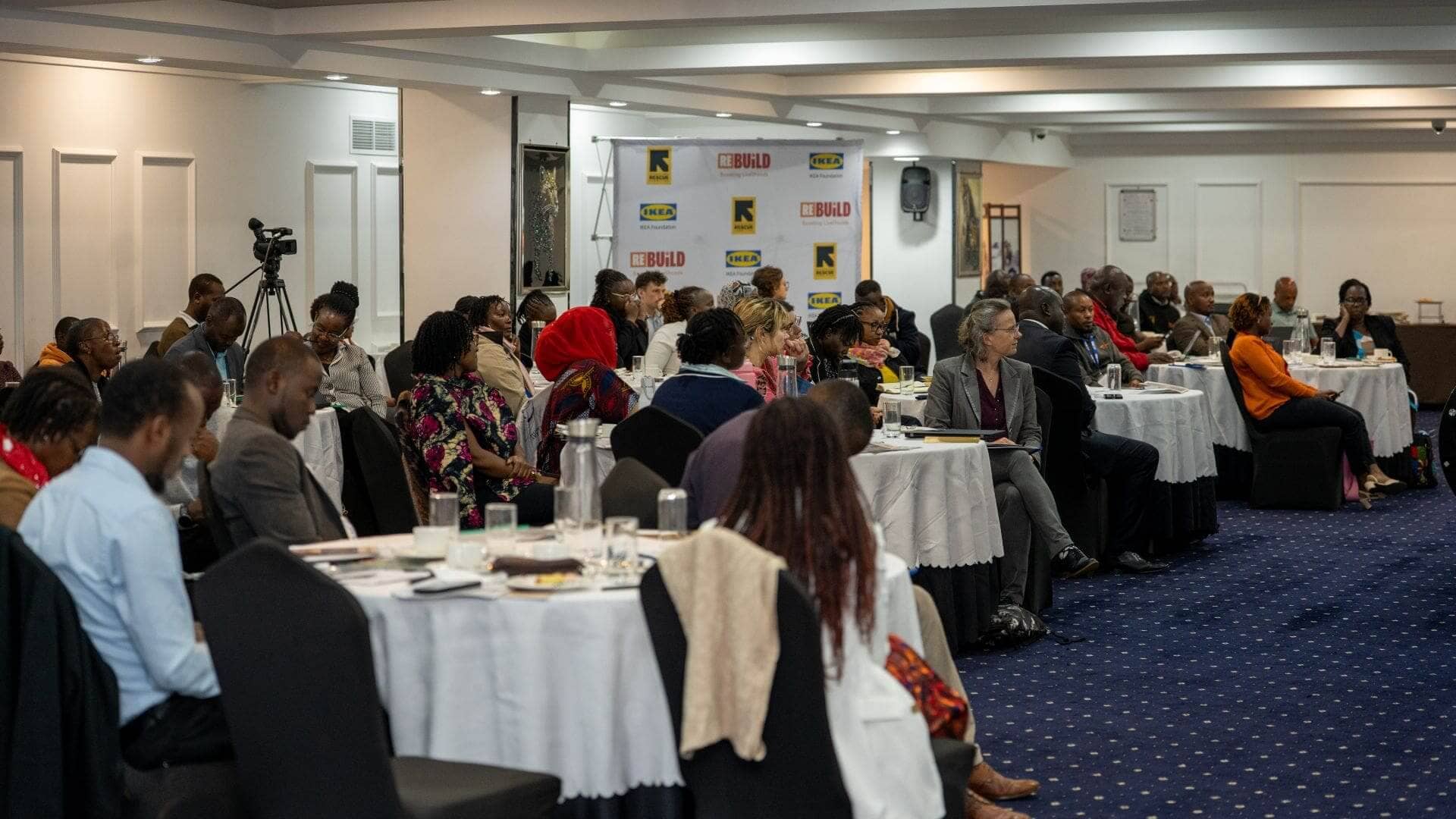
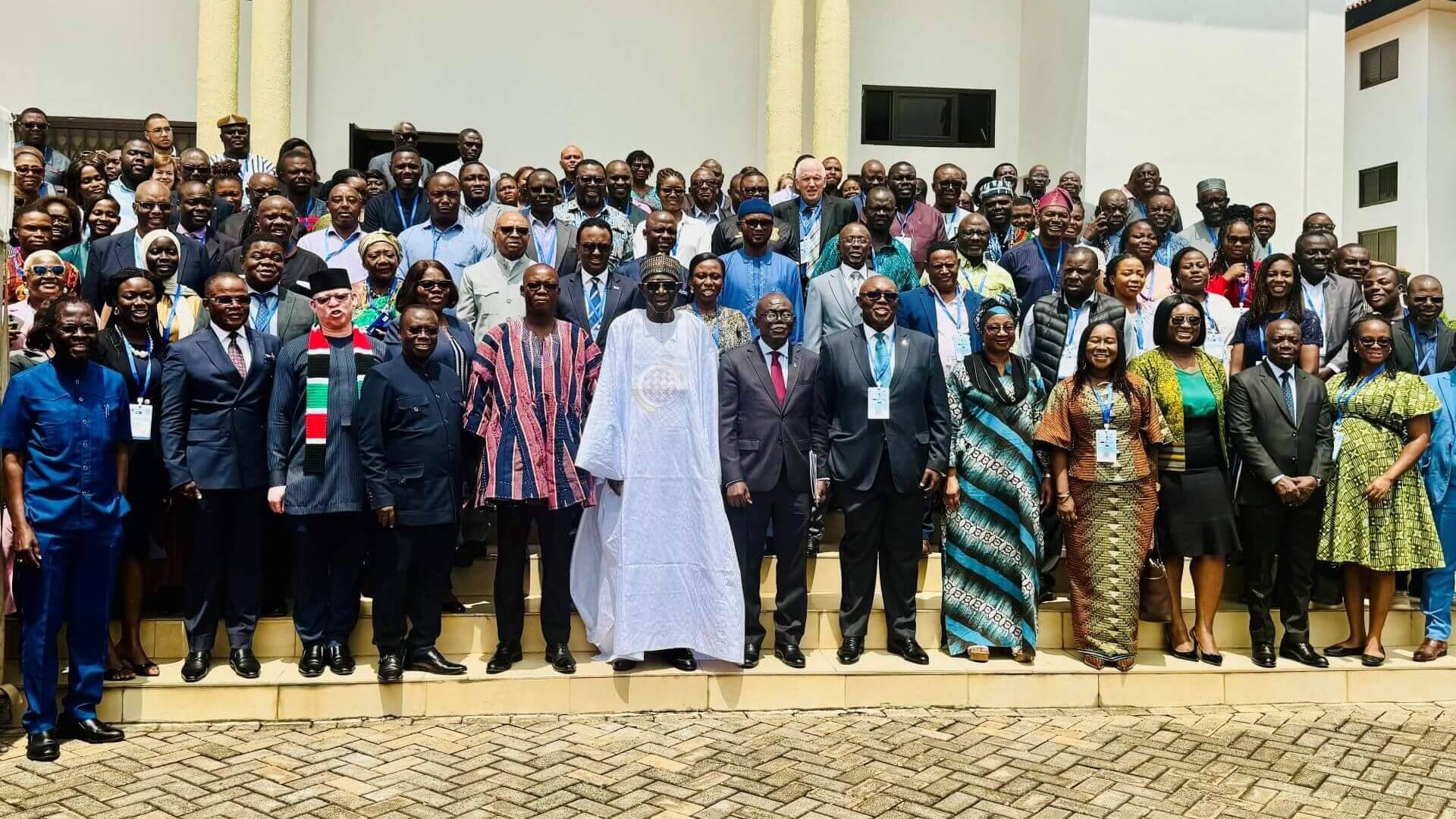
July 2, 2025, Participants at the RCT Wave 1 results launch in Nairobi. (PHOTO: Edgar Otieno for The IRC)
The evidence urges donors and policymakers to:
Prioritize Cash Grants: These should be central to livelihood strategies for both refugees and host communities.
Rethink Mentorship: Programs must be redesigned to avoid harm and ensure value, especially for women.
Label Aid Transparently: Clearly communicating the shared nature of aid can foster social cohesion.
Monitor Gendered Impacts: Female participants require tailored support and safeguards.
Collaborate for Policy Change: Evidence must be translated into action through dialogue among researchers, practitioners, and donors.
“Self-employment isn’t always a choice, it’s often the only path for refugee women,” said Belinda Muya, Re:BUiLD Deputy Program Director. “If we want inclusive growth, we must address the barriers that keep them out of broader economic opportunities.”
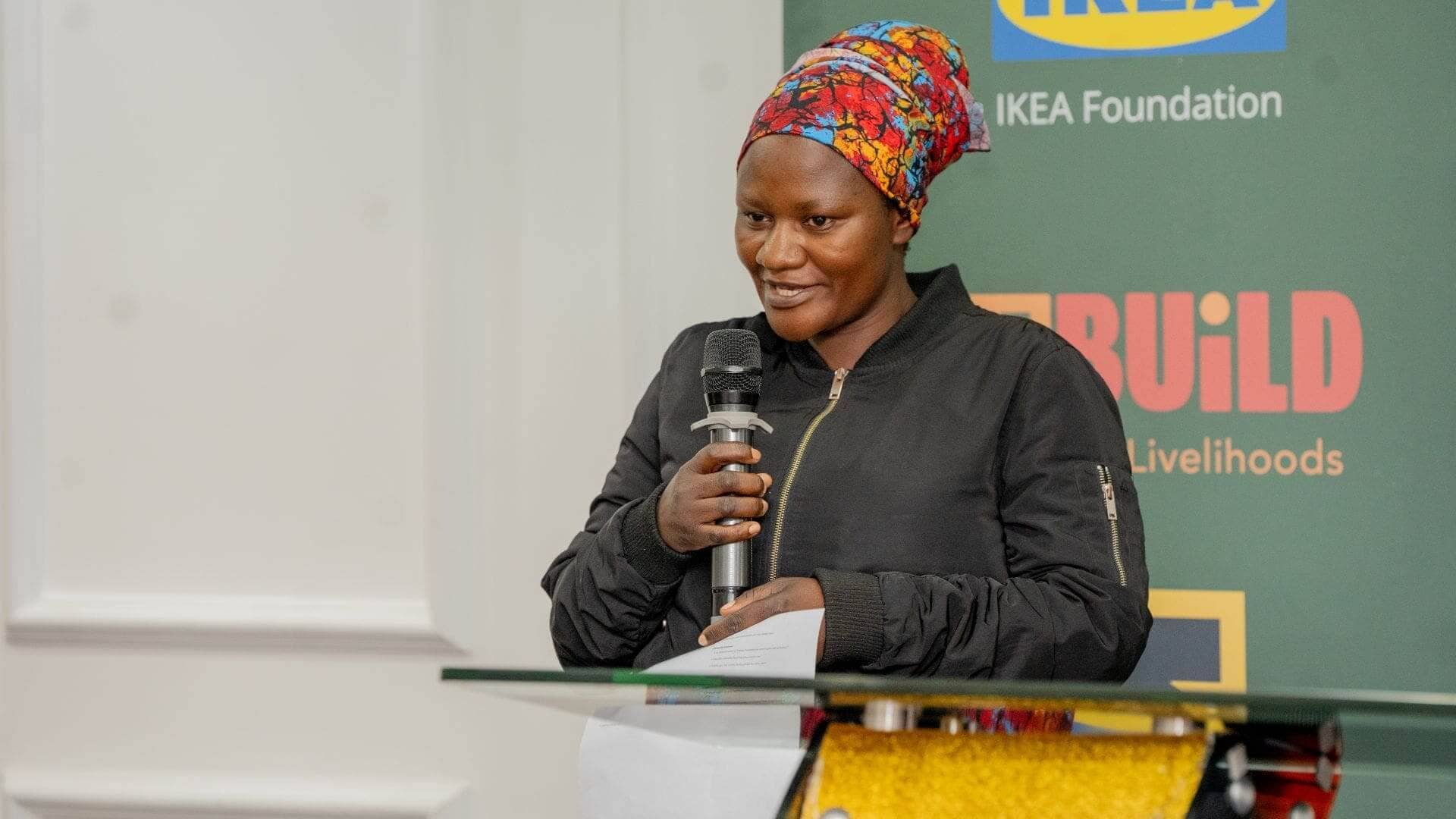
July 2, 2025, Pelaya Nizigiyimana, a ReBUiLD client shares her story at the RCT Wave 1 results launch, she is one of the clients who benefited from the intervention (PHOTO: Edgar Otieno for The IRC)
As cities across Africa face growing refugee populations, these findings offer a roadmap for building inclusive, thriving economies—one cash grant at a time.